Reps Push for Pre-Inauguration Resolution of Election Appeals: A Game-Changer for Nigerian Politics
-
 Loading...
 - Jonathan Ekwugum
- 16 Jan 2025
- 153 Views
- 0 Like
- 0 Comment
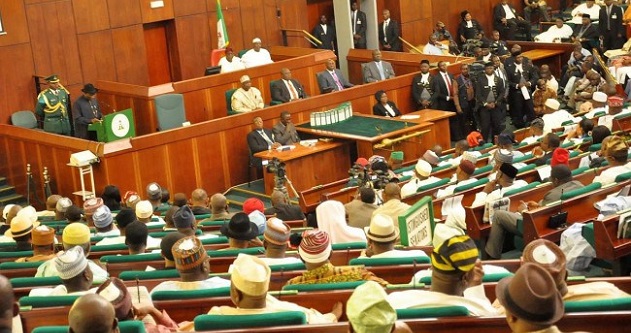
The House of Representatives is currently deliberating a significant constitutional amendment that could fundamentally reshape Nigeria’s electoral process. This proposed legislation aims to require all election appeals to be resolved before the swearing-in ceremonies of elected officials, potentially transforming governance and enhancing accountability.
Sponsored by Mansur Soro, the representative for Darazo/Ganjuwa Federal Constituency in Bauchi State, the bill seeks to amend Section 285 of the 1999 Constitution. It proposes that all election-related appeals at various levels be conclusively resolved by appellate courts prior to the official assumption of office by candidates declared winners by the Independent National Electoral Commission (INEC).
The bill introduces a new subsection, 285(i), which states: “All appeals arising from the presidential, governorship, national, and state assemblies election petition tribunals shall be determined by the appellate courts prior to the swearing-in of candidates returned as winners by the Independent National Electoral Commission.”
Additionally, it mandates INEC to adjust its timelines to accommodate the litigation processes. Subsection 285(ii) specifies that “the Independent National Electoral Commission shall prepare its guidelines and timelines of activities to provide sufficient time for the determination of all appeal cases before the swearing-in of candidates.”
In an interview with journalists, Soro emphasized the bill’s importance in mitigating governance disruptions caused by prolonged legal battles over election outcomes. He argued that resolving electoral disputes before inaugurations would minimize distractions for elected officials and protect public funds.
“INEC will be able to organize its guidelines and election timelines to accommodate the litigation period when this bill becomes law,” Soro stated. He expressed a desire to ensure that all appeals arising from elections are concluded before the May 29 handover date.
Soro also highlighted that amending the Constitution and Electoral Act would compel courts to expedite election-related cases. “The courts are the creation of the law. If the law provides that they should conclude election cases within a specified period of time, they have to abide by it,” he noted.
Soro pointed out the financial implications of unresolved litigations, particularly the misuse of public funds to finance extended legal battles. “Once you allow swearing-in to take place before litigations are concluded, distractions will affect governance and the public treasury. Just imagine the tens of billions of naira governors alone are spending on sorting their cases at appeal and apex courts,” he explained.
He stressed the importance of safeguarding taxpayers’ money, stating, “This should not be allowed to continue because this money comes from the public treasury. As a government elected by the people, we must do everything to safeguard taxpayers’ money.”
If passed, this bill could represent a pivotal moment for Nigeria’s democracy, ensuring that electoral disputes are resolved before candidates assume office. This change could bolster public confidence in the electoral process, minimize governance disruptions, and discourage the misuse of state resources in legal battles.
As the bill moves toward debate in 2025, it is poised to ignite intense discussions about its potential impact on elections, governance, and the broader political landscape in Nigeria. The outcome of this legislative effort could redefine the relationship between electoral integrity and governance in the country, setting a precedent for future electoral processes.