Jonas Helgesson's Detective Debut Unearths a Dark History
-
 Loading...
 - Freddie Watson
- 07 Aug 2024
- 42 Views
- 0 Like
- 0 Comment
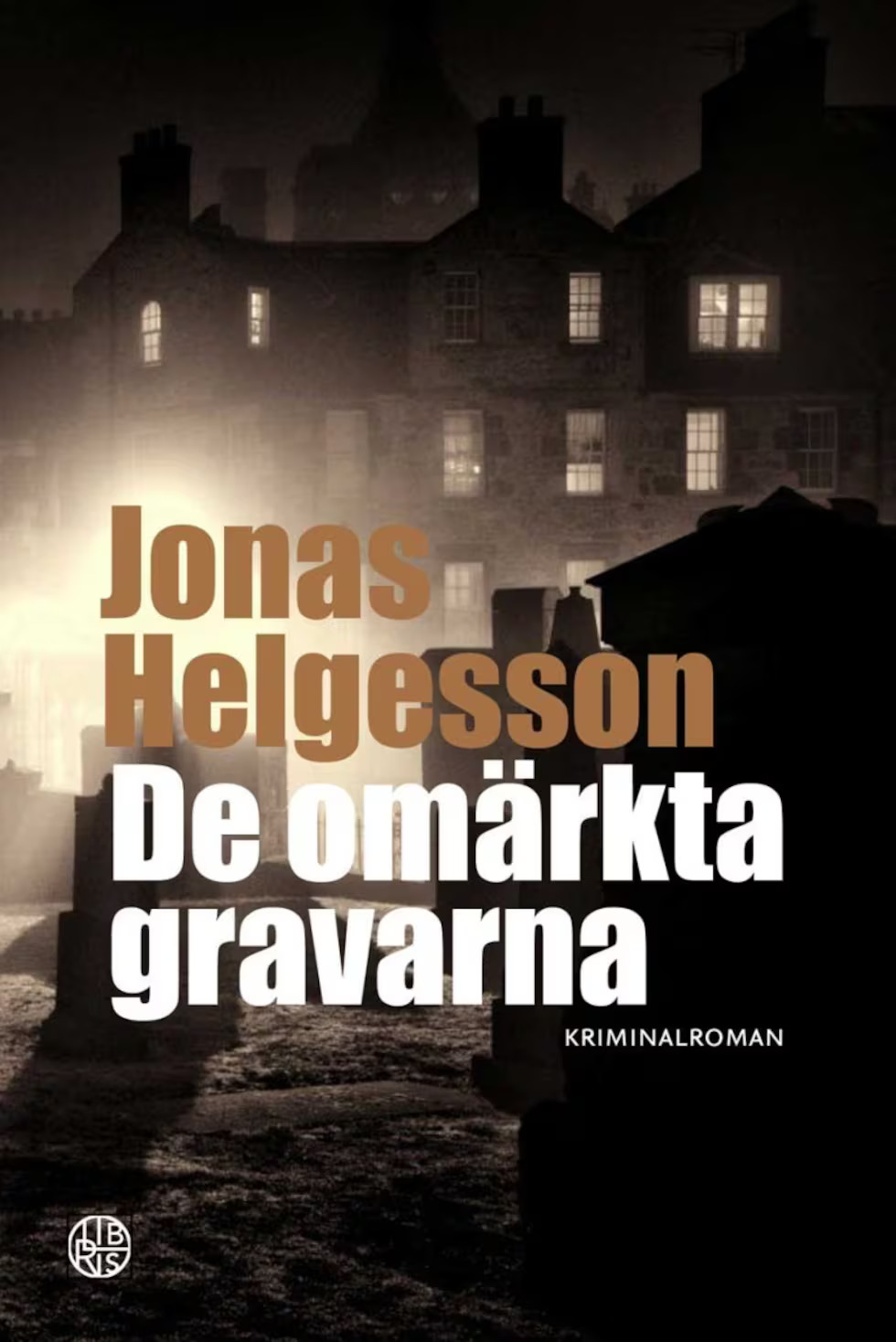
After a series of autobiographical works detailing his life with a cerebral palsy injury, Jonas Helgesson has ventured into the realm of detective fiction with his latest novel, The Unmarked Graves. This book, published by Libris, marks a significant developmental step for Helgesson as an author.
Story Overview
The plot is set against the backdrop of the summer of 2010, a period marked by a string of sensational murders in the Lund area. As the police, media, and public delve deeper into these crimes, they discover that the victims were not chosen at random. Each murder method symbolizes something sinister, hinting at a well-thought-out plan. The narrative delves into the dark history of inhumane treatment and dubious "research" conducted on individuals with disabilities.
The investigation is conducted by a unique police group characterized by an absent boss, a new employee with cerebral palsy who brings an innovative perspective, and other members dealing with personal prejudices and problems, such as a brother-in-law with a gambling issue. The group also explores fascinating visual thinking techniques and encounters workplace romance, adding layers of complexity to the story.
Unique Elements and Criticisms
One of the book's unique aspects is its absence of profanity, which sets it apart in the detective genre. However, the novel does suffer from several proofreading issues, including missing words, misspellings, and awkward sentence structures, which can disrupt the reading experience. Additionally, there are historical inaccuracies, such as the reference to Police Region South, which was only established in 2015, not 2010.
Despite these flaws, The Unmarked Graves is both an exciting and terrifying tale that sheds light on heavy historical issues. It is well worth reading, particularly for its ambition to uncover dark chapters of history. Helgesson's debut in detective fiction leaves readers eager for a continuation of the investigation group in Lund.