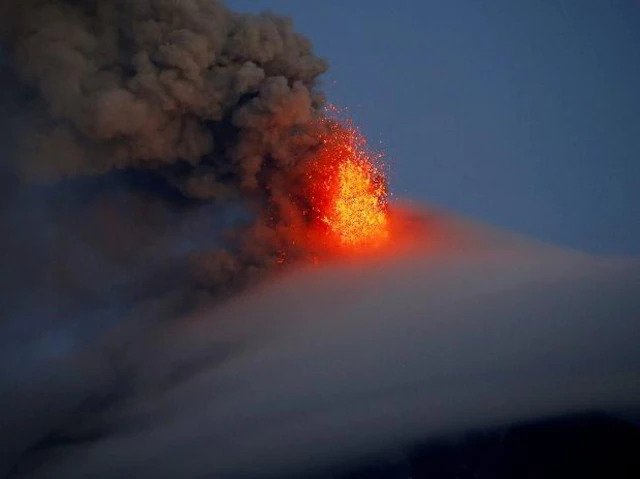
La Palma volcano eruption now longest in recorded history
-
 Loading...
 - Anthony Morgan
- 14 Dec 2021
- 457 Views
- 0 Like
- 0 Comment
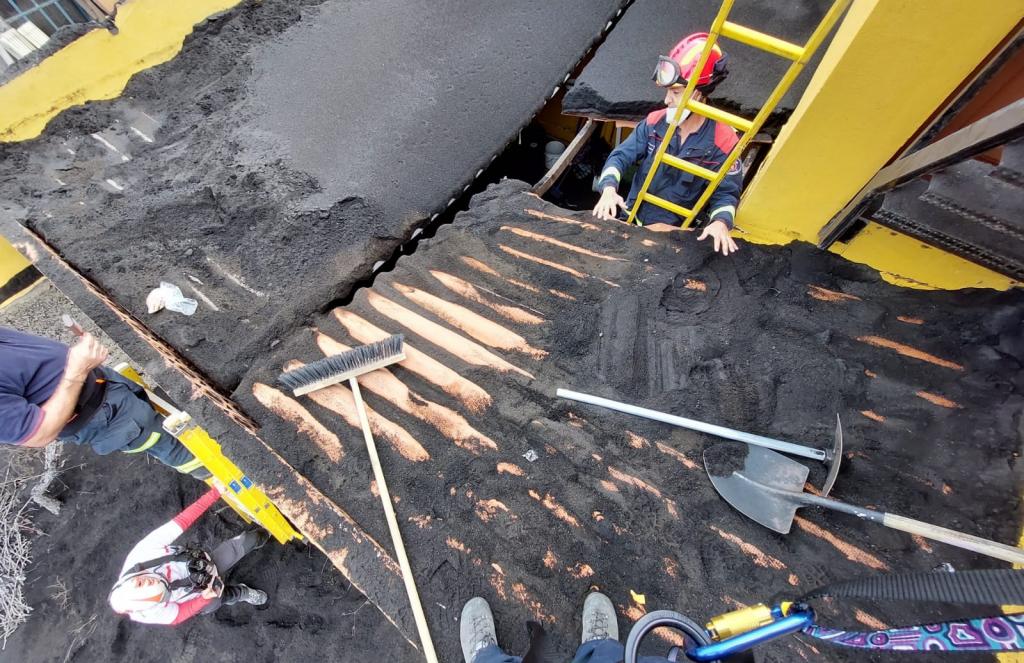
It began on 19 September and the world was transfixed for weeks on end after the Cumbre Vieja volcano on the Spanish Canary island of La Palma erupted and the resulting lava began swallowing farmland, buildings and roads. Thousands of people had to leave their homes, becoming something like natural disaster refugees while waiting for things to go back to normal.
Other events have already grabbed the headlines since then, but you might be still surprised to find out that the eruption is still very much on. In fact, that now makes it the longest such event in the recorded history of the small island, with records dating back 500 years ago.
Environmental impacts have long-term effects on people’s lives
This was confirmed by scientists working at the Spanish National Geographic Institute who are the pre-eminent experts on the subject. Given such a historical significance, it seems natural that everyone feels caught by surprise by the lava flow that refuses to stop.
"People are fed up. As a local Palmero I took a break and went to Madrid to get some air," Juan Ernesto Pérez, 57, of the Los Llanos de Aridane community told Reuters.
The exasperation felt by the people, however, is more reflective of their own understanding that bad events have a beginning and an ending and then the recovery work begins and that’s that. However, nature has shown that the environment isn’t something that we can always manage and move on.
Recovery on the island is thus a word loaded with even more urgency than it is in the rest of Europe. The island government (Cabildo de La Palma) in response has offered a metaphorical breath of air with its announcement at the end of last week that it had adopted next year’s budget.
Apart from the implied message that life still goes on as before, the breakdown of the economic document shows that the authorities are ready to help the residents by minimizing their socio-economic sufferings. Read More…