Hydroelectric dams linked to tiger and jaguar losses
-
 Loading...
 - Harper Cooper
- 13 Dec 2021
- 444 Views
- 0 Like
- 0 Comment
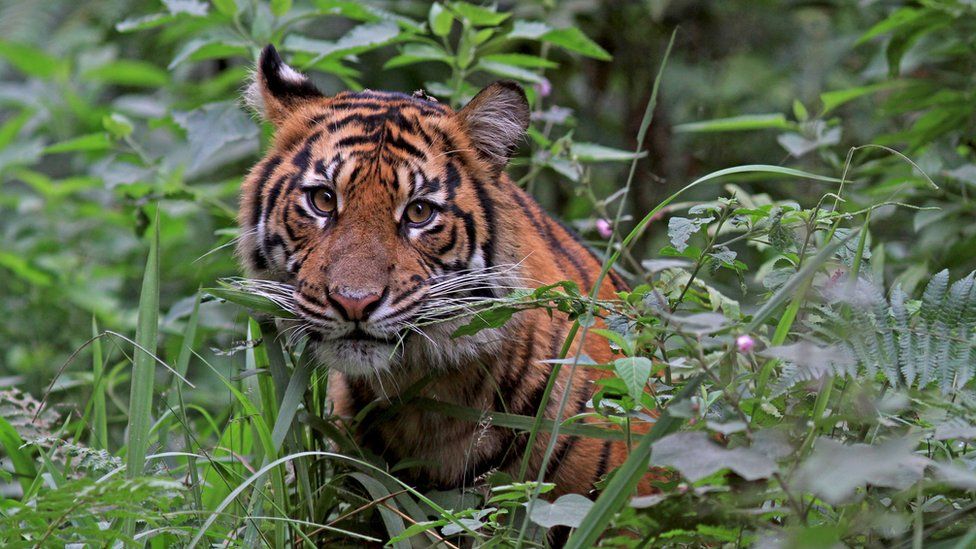
Researchers found that dam construction, particularly in Asia, has affected more than one-fifth of the world's remaining tigers.
In some local forest areas, the dams are said to have precipitated tiger extinction.
Jaguars face a growing threat with dams on their ranges expected to quadruple.
The modern world has not been kind to tigers.
Despite their iconic and fearsome reputation, tigers have disappeared from over 90% of their original range over the past century.
While their numbers have improved in recent years, they are still classified by the IUCN as an endangered species, with around 3,500 in total.
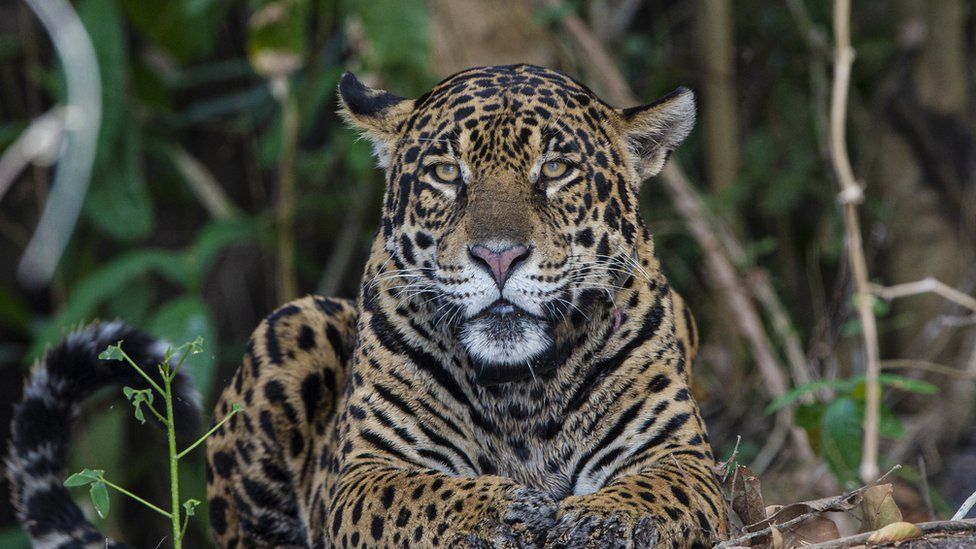
It's a similar story for jaguars.
The distribution of these lithe predators, which range between the US south-west and Argentina, has halved.
This new study suggests that global efforts to develop hydropower for energy have had a destructive impact on the habitats occupied by these species.
The researchers identified over a thousand existing dams that intersect with the ranges of tigers and jaguars.
They painstakingly worked out the amount of forest areas impacted by the construction and concluded that over 13,000 square kilometres of tiger habitat had been flooded to create reservoirs for the dams.
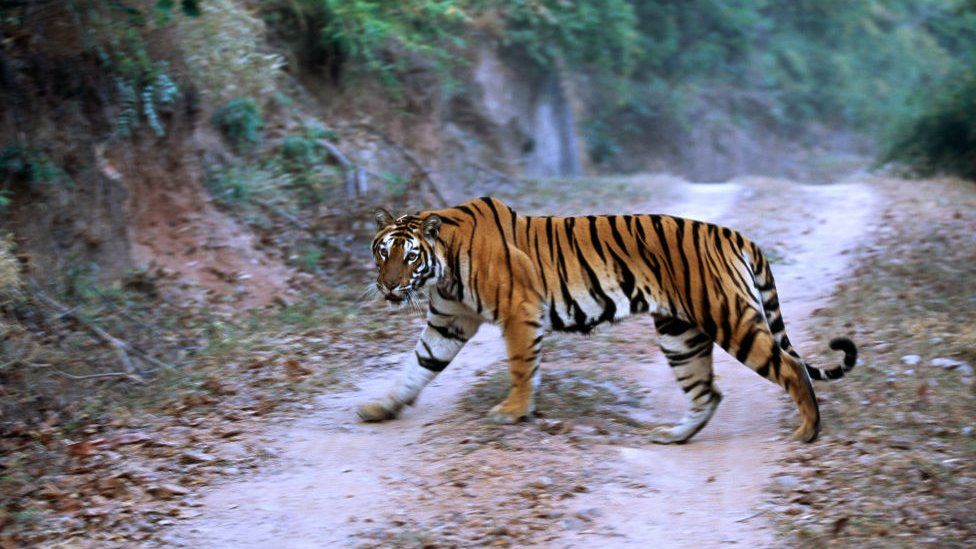
This is likely to have had a significant impact on tiger numbers.
"More than one in five tigers have presumably been affected by habitat flooding as induced by the construction of dams," said co-author Ana Filipa Palmeirim, from the University of Porto.
"As such, that habitat loss is expected to contribute to the decline in the overall tiger population size."
"Without these reservoirs, the tiger population today could be 20% larger," said co-author Dr Luke Gibson, from the Southern University of Science and Technology, in Shenzhen, China.
"And that goes a long way towards any goal to increase or even double the global tiger population, as many policymakers have recently set their sights on."
In some local areas, the building of dams has likely seen tiger extinctions. Read More…