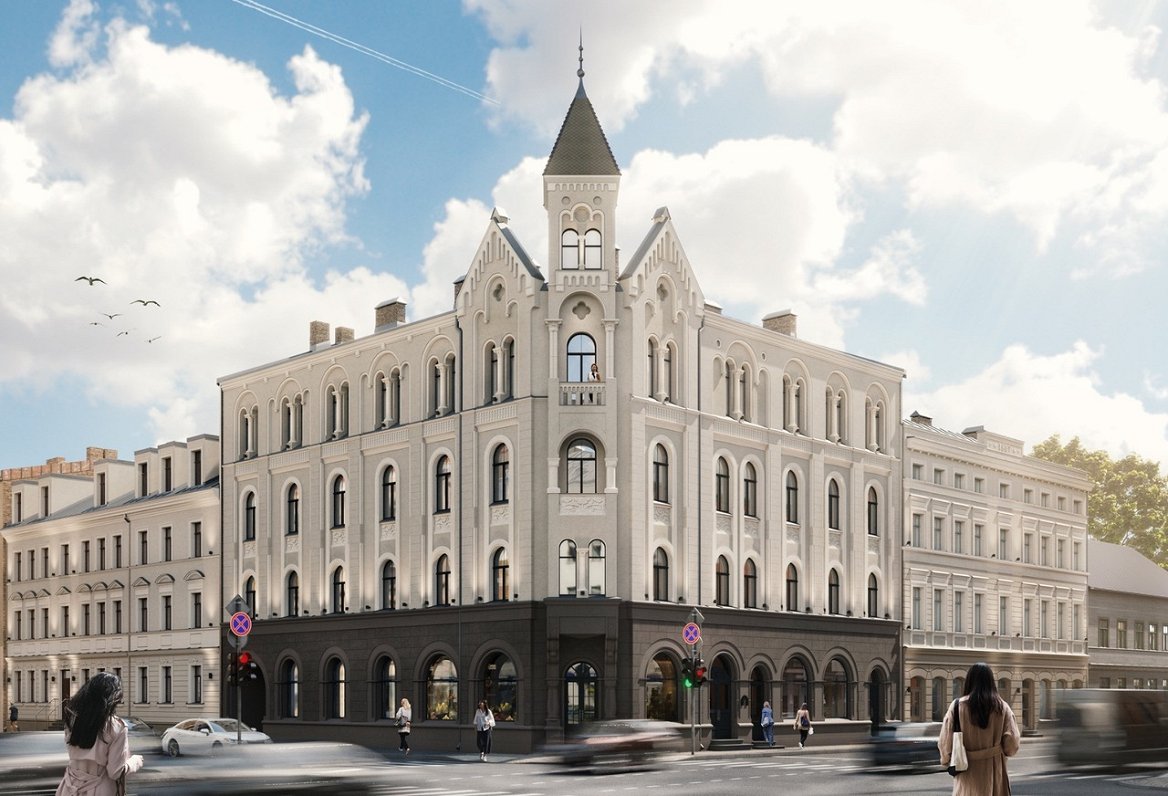
Land Ownership and Property Rights Protection in Albania
-
 Loading...
 - Avril Moulin
- 10 Mar 2025
- 38 Views
- 0 Like
- 0 Comment
Land ownership and property rights are critical issues in Albania, particularly in the context of the country’s transition from a centrally planned economy to a market-oriented system. The protection of property rights is essential for economic development, investment, and social stability. Here’s an overview of the current state of land ownership and property rights protection in Albania.
Albania's land ownership system has undergone significant changes over the past few decades. Under the communist regime, all land was state-owned, and private property was largely abolished. Following the fall of communism in the early 1990s, Albania initiated a process of land privatization, which allowed individuals to reclaim property that had been confiscated or nationalized. This transition, however, was fraught with challenges, including unclear legal frameworks, disputes over ownership, and inadequate enforcement of property rights.
The legal framework governing land ownership and property rights in Albania includes several key laws and regulations:
- Constitution of Albania: The Constitution guarantees the right to private property and establishes the legal basis for property rights protection.
- Law on Property and the Restitution and Compensation of Property: This law outlines the procedures for the restitution of property to former owners and their heirs, as well as compensation for properties that cannot be returned.
- Law on the Registration of Immovable Property: This law provides the framework for the registration of land and property, which is essential for establishing legal ownership and protecting property rights.
- Law on Urban Planning and Development: This law regulates land use and urban development, ensuring that property rights are respected in the context of urban planning.
Challenges in Property Rights Protection
Despite the legal framework in place, several challenges hinder effective property rights protection in Albania:
- Land Disputes: Many individuals and families continue to face disputes over land ownership, often stemming from unclear or conflicting claims. These disputes can lead to lengthy legal battles and uncertainty regarding property rights.
- Weak Enforcement: The enforcement of property rights can be inconsistent, with instances of illegal occupation or expropriation of land. This undermines confidence in the legal system and deters investment.
- Bureaucratic Hurdles: The process of registering property can be cumbersome and bureaucratic, leading to delays and complications for property owners.
- Corruption: Corruption within the legal and administrative systems can further complicate property rights protection, as individuals may face obstacles in asserting their rights or obtaining necessary permits.
Recent Developments and Reforms
In recent years, the Albanian government has taken steps to address these challenges and improve property rights protection:
- Land Registration Initiatives: Efforts have been made to streamline the land registration process and increase the number of properties registered in the national cadastre. This is crucial for establishing clear ownership and reducing disputes.
- Judicial Reforms: Reforms aimed at strengthening the judiciary and improving the efficiency of the legal system are underway. These reforms seek to enhance the resolution of property disputes and ensure fair treatment for all parties involved.
- International Support: Albania has received support from international organizations, such as the World Bank and the European Union, to improve land governance and property rights protection. These initiatives often focus on capacity building, legal reforms, and public awareness campaigns.
Land ownership and property rights protection in Albania remain complex issues shaped by historical legacies and ongoing challenges. While the legal framework provides a foundation for property rights, effective enforcement and resolution of disputes are essential for fostering a secure environment for land ownership. Continued reforms and international support will be crucial in strengthening property rights protection, promoting investment, and ensuring social stability in Albania. As the country progresses on its path toward European integration, addressing these issues will be vital for its economic development and the well-being of its citizens.