Home Upload Photo Upload Videos Write a Blog Analytics Messaging Streaming Create Adverts Creators Program
Bebuzee Afghanistan Bebuzee Albania Bebuzee Algeria Bebuzee Andorra Bebuzee Angola Bebuzee Antigua and Barbuda Bebuzee Argentina Bebuzee Armenia Bebuzee Australia Bebuzee Austria Bebuzee Azerbaijan Bebuzee Bahamas Bebuzee Bahrain Bebuzee Bangladesh Bebuzee Barbados Bebuzee Belarus Bebuzee Belgium Bebuzee Belize Bebuzee Benin Bebuzee Bhutan Bebuzee Bolivia Bebuzee Bosnia and Herzegovina Bebuzee Botswana Bebuzee Brazil Bebuzee Brunei Bebuzee Bulgaria Bebuzee Burkina Faso Bebuzee Burundi Bebuzee Cabo Verde Bebuzee Cambodia Bebuzee Cameroon Bebuzee Canada Bebuzee Central African Republic Bebuzee Chad Bebuzee Chile Bebuzee China Bebuzee Colombia Bebuzee Comoros Bebuzee Costa Rica Bebuzee Côte d'Ivoire Bebuzee Croatia Bebuzee Cuba Bebuzee Cyprus Bebuzee Czech Republic Bebuzee Democratic Republic of the Congo Bebuzee Denmark Bebuzee Djibouti Bebuzee Dominica Bebuzee Dominican Republic Bebuzee Ecuador Bebuzee Egypt Bebuzee El Salvador Bebuzee Equatorial Guinea Bebuzee Eritrea Bebuzee Estonia Bebuzee Eswatini Bebuzee Ethiopia Bebuzee Fiji Bebuzee Finland Bebuzee France Bebuzee Gabon Bebuzee Gambia Bebuzee Georgia Bebuzee Germany Bebuzee Ghana Bebuzee Greece Bebuzee Grenada Bebuzee Guatemala Bebuzee Guinea Bebuzee Guinea-Bissau Bebuzee Guyana Bebuzee Haiti Bebuzee Honduras Bebuzee Hong Kong Bebuzee Hungary Bebuzee Iceland Bebuzee India Bebuzee Indonesia Bebuzee Iran Bebuzee Iraq Bebuzee Ireland Bebuzee Israel Bebuzee Italy Bebuzee Jamaica Bebuzee Japan Bebuzee Jordan Bebuzee Kazakhstan Bebuzee Kenya Bebuzee Kiribati Bebuzee Kuwait Bebuzee Kyrgyzstan Bebuzee Laos Bebuzee Latvia Bebuzee Lebanon Bebuzee Lesotho Bebuzee Liberia Bebuzee Libya Bebuzee Liechtenstein Bebuzee Lithuania Bebuzee Luxembourg Bebuzee Madagascar Bebuzee Malawi Bebuzee Malaysia Bebuzee Maldives Bebuzee Mali Bebuzee Malta Bebuzee Marshall Islands Bebuzee Mauritania Bebuzee Mauritius Bebuzee Mexico Bebuzee Micronesia Bebuzee Moldova Bebuzee Monaco Bebuzee Mongolia Bebuzee Montenegro Bebuzee Morocco Bebuzee Mozambique Bebuzee Myanmar Bebuzee Namibia Bebuzee Nauru Bebuzee Nepal Bebuzee Netherlands Bebuzee New Zealand Bebuzee Nicaragua Bebuzee Niger Bebuzee Nigeria Bebuzee North Korea Bebuzee North Macedonia Bebuzee Norway Bebuzee Oman Bebuzee Pakistan Bebuzee Palau Bebuzee Panama Bebuzee Papua New Guinea Bebuzee Paraguay Bebuzee Peru Bebuzee Philippines Bebuzee Poland Bebuzee Portugal Bebuzee Qatar Bebuzee Republic of the Congo Bebuzee Romania Bebuzee Russia Bebuzee Rwanda Bebuzee Saint Kitts and Nevis Bebuzee Saint Lucia Bebuzee Saint Vincent and the Grenadines Bebuzee Samoa Bebuzee San Marino Bebuzee São Tomé and Príncipe Bebuzee Saudi Arabia Bebuzee Senegal Bebuzee Serbia Bebuzee Seychelles Bebuzee Sierra Leone Bebuzee Singapore Bebuzee Slovakia Bebuzee Slovenia Bebuzee Solomon Islands Bebuzee Somalia Bebuzee South Africa Bebuzee South Korea Bebuzee South Sudan Bebuzee Spain Bebuzee Sri Lanka Bebuzee Sudan Bebuzee Suriname Bebuzee Sweden Bebuzee Switzerland Bebuzee Syria Bebuzee Taiwan Bebuzee Tajikistan Bebuzee Tanzania Bebuzee Thailand Bebuzee Timor-Leste Bebuzee Togo Bebuzee Tonga Bebuzee Trinidad and Tobago Bebuzee Tunisia Bebuzee Turkey Bebuzee Turkmenistan Bebuzee Tuvalu Bebuzee Uganda Bebuzee Ukraine Bebuzee United Arab Emirates Bebuzee United Kingdom Bebuzee Uruguay Bebuzee Uzbekistan Bebuzee Vanuatu Bebuzee Venezuela Bebuzee Vietnam Bebuzee World Wide Bebuzee Yemen Bebuzee Zambia Bebuzee Zimbabwe
Blog Image

Latvian Police Granted Authority to Land or Neutralize Drones in Case of Potential Threat

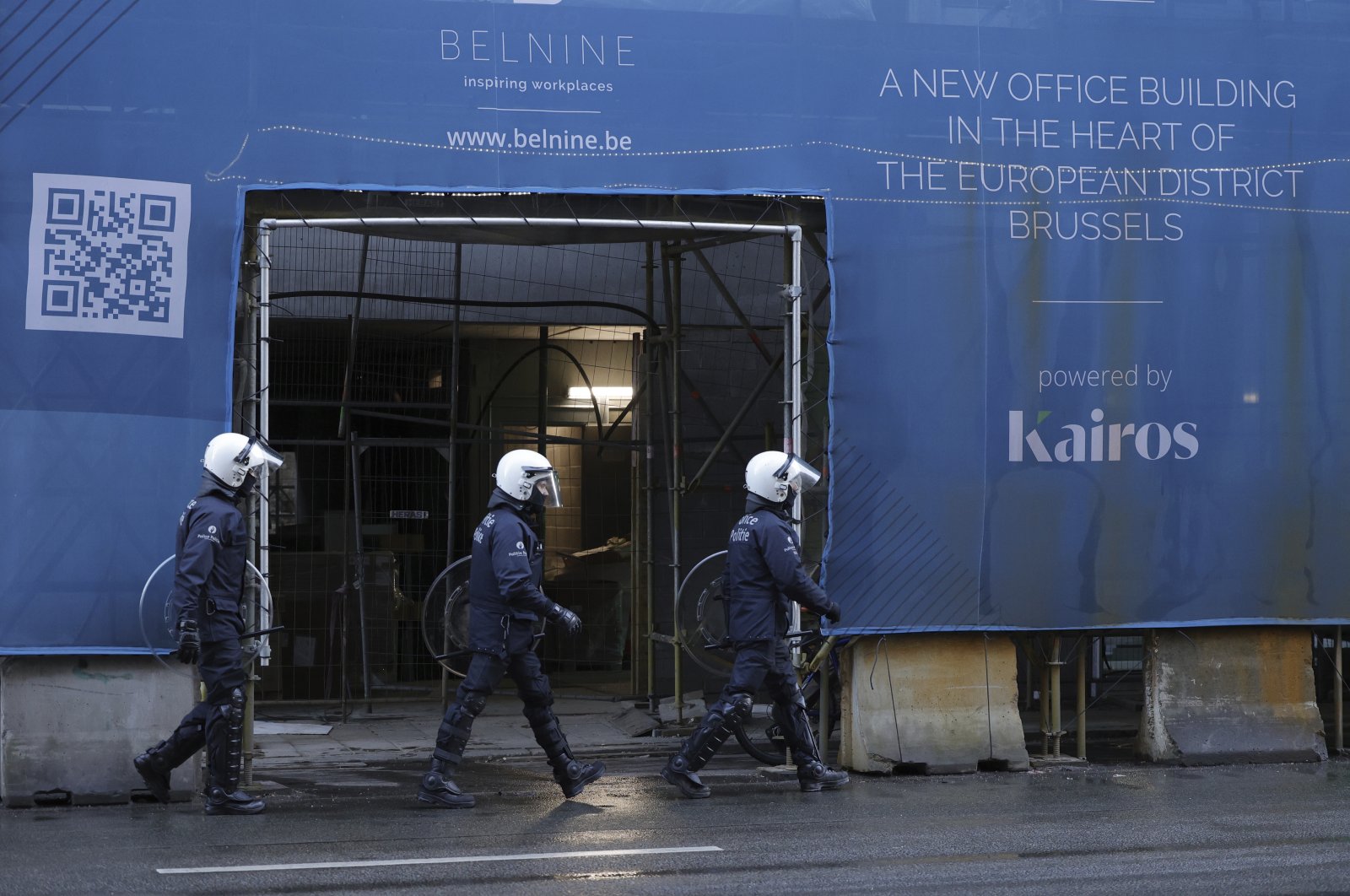
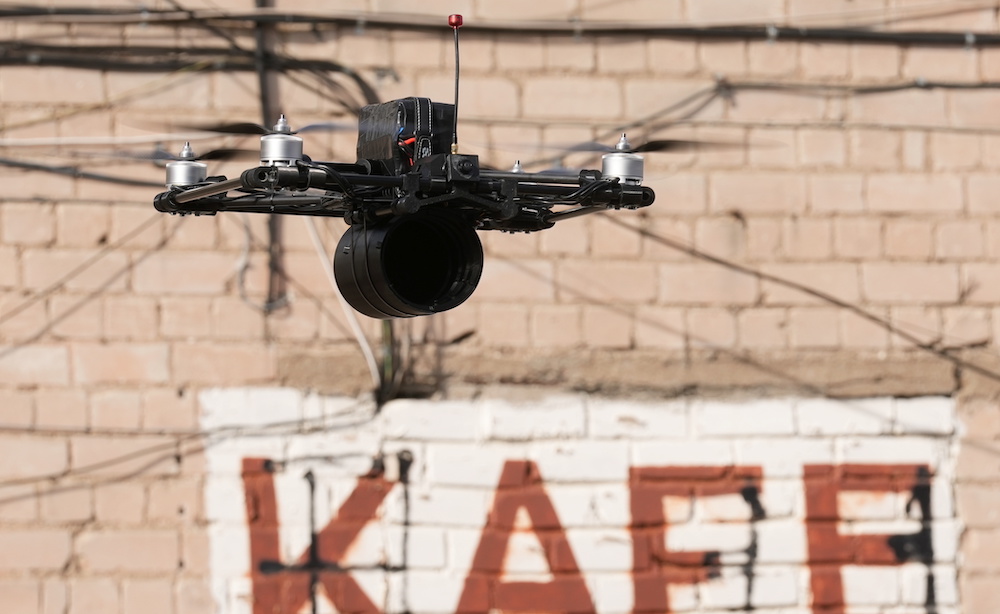
On Thursday, the Latvian Parliament (Saeima) approved significant amendments to the law, empowering police to land or neutralize drones that pose a potential threat. This legislative change reflects growing concerns over public safety and the increasing use of drones in unauthorized or potentially harmful ways.

The amendments to the Law on Police grant law enforcement the authority to use special equipment to stop the movement of remotely operated devices—whether in the air, on water, or on land—if they are deemed a threat to public safety, individuals’ lives or health, the security of protected sites, or critical infrastructure. This authority will be exercised in situations where drones are being used illegally or when there are suspicions of criminal activity.

Previously, only border guards or military personnel had the right to land or shoot down drones in cases of potential threats. The new regulations expand this capability to police special forces, allowing them to respond swiftly to incidents involving drones suspected of being used for criminal purposes.

Until now, while the State Police had the technical capability to identify unmanned aerial vehicles (UAVs)—including tracking their flight routes, altitudes, and the locations of remote pilots—there were no legal grounds to capture, destroy, or forcibly land these drones, even when they posed risks to public safety or critical infrastructure. This gap in legislation has now been addressed, providing law enforcement with the necessary tools to act in the interest of public safety.

The urgency for these amendments was underscored by recent incidents involving unauthorized drone activity. On January 13, Latvia’s airspace experienced three instances of temporary restrictions due to drone activity near Riga International Airport. Multiple drones were involved in these incidents, and the Civil Aviation Agency (CAA) reported that defense systems failed to detect them because their identification functions had been disabled.

The CAA indicated that the drone flights might have been conducted deliberately to threaten civil aviation safety or disrupt the functioning of Latvia’s civil aviation sector. In response to these incidents, the CAA contacted both the State Police and the State Security Service, requesting a criminal investigation into the potential threats posed to civil aviation.

Following the incidents at Riga International Airport, the State Police confirmed that a criminal investigation has been launched into the unauthorized drone activity in the area. This investigation aims to determine the motives behind the drone flights and to hold accountable those responsible for any illegal actions that may have endangered public safety.

The amendments to the Law on Police represent a proactive approach by the Latvian government to address the challenges posed by the increasing use of drones. By granting police the authority to land or neutralize drones in cases of potential threats, Latvia aims to enhance public safety and protect critical infrastructure. As drone technology continues to evolve, these legal changes will be crucial in ensuring that law enforcement can effectively respond to emerging threats in the airspace.

Previous Post

Same-Sex Couples Can Now Legally Marry in Liechtenstein

Next Post

Dejan Đinović Arrested in Connection with Zoran Nikolov's Murder

Comments