Leoš Janáček: Five of His Most Sinister Works
-
 Loading...
 - Kevin Sinclair
- 14 Oct 2024
- 46 Views
- 0 Like
- 0 Comment
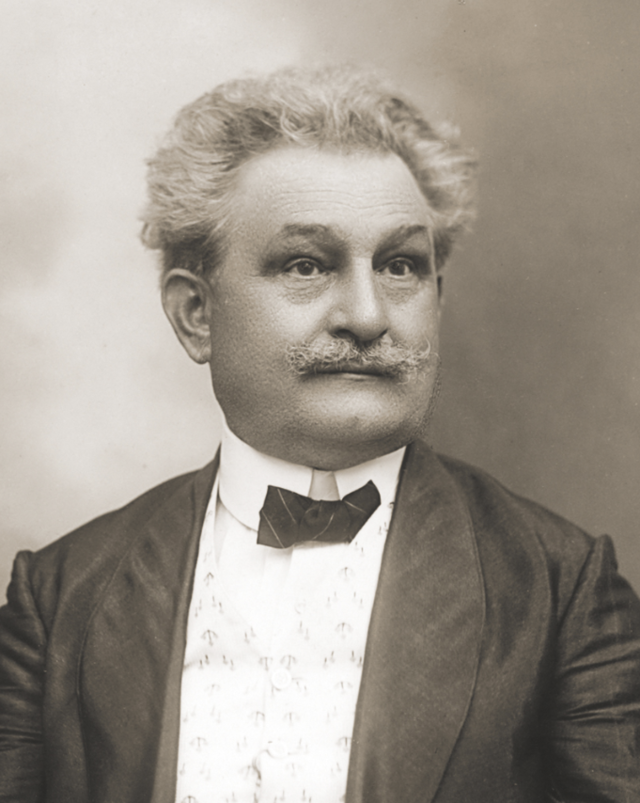
Leoš Janáček, a renowned Czech composer, is celebrated for his distinctive musical style that often incorporates elements of Moravian and Slavic folk music. While his works are not typically described as "sinister," some compositions explore darker themes and moods. Here are five of his works that can be considered among his most intense and haunting:
"The Makropulos Affair"
This opera delves into themes of immortality and existential despair. The story revolves around a woman who has lived for over 300 years due to a secret elixir. The music captures the eerie and unsettling nature of eternal life, reflecting the protagonist's emotional turmoil and the opera's philosophical underpinnings.
"From the House of the Dead"
Janáček's final opera, based on Fyodor Dostoevsky's novel, is set in a Siberian prison camp. The work explores the harsh realities of life in captivity and the resilience of the human spirit. The music is stark and raw, with dissonant harmonies and fragmented melodies that convey the bleakness and brutality of the prisoners' experiences.
"The Cunning Little Vixen"
While often seen as whimsical, this opera contains darker undertones. The story follows the life and death of a clever vixen, touching on themes of nature's cycle and the inevitability of death. Janáček's music captures both the beauty and harshness of the natural world, with moments of tension and foreboding.
"Glagolitic Mass"
This choral work is one of Janáček's most powerful and dramatic compositions. Set to an ancient Slavic text, it features intense, almost primal, musical expressions. The orchestration is bold and vigorous, with a sense of urgency and spiritual fervor that can be both awe-inspiring and unsettling.
"String Quartet No. 1"
Inspired by Leo Tolstoy's novella "The Kreutzer Sonata," this string quartet explores themes of jealousy, passion, and violence. The music is highly charged and emotionally intense, with agitated rhythms and dissonant harmonies that reflect the novella's dramatic narrative. Janáček's use of musical motifs to represent the characters' psychological states adds to the work's sinister atmosphere.
These compositions showcase Janáček's ability to convey complex emotions and explore profound themes through his innovative musical language. While not all of his works are overtly sinister, these pieces highlight the darker and more intense aspects of his creative output.