'Most expensive' song in Indian film history was by Lata Mangeshkar! Its budget will blow off your mind
-
 Loading...
 - Mukesh Harit
- 14 Oct 2024
- 47 Views
- 0 Like
- 0 Comment
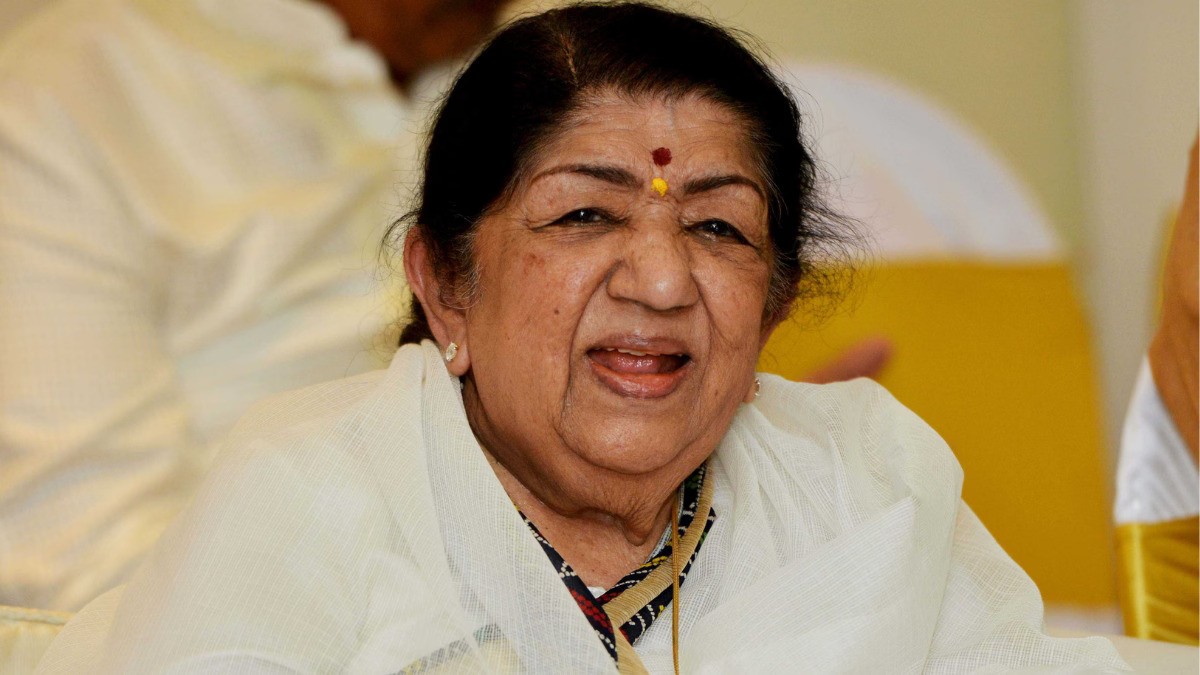
The title of the most expensive song in Indian film history belongs to "Jab Pyaar Kiya Toh Darna Kya" from the 1960 classic film Mughal-e-Azam. Released in 1960 and featuring the legendary singer Lata Mangeshkar, this song remains an iconic love ballad, beautifully picturized on Madhubala, who played the role of the courtesan Anarkali.
Why Was It So Expensive?
- Elaborate Set Design: The song was shot in a set modeled after the famous Sheesh Mahal (Mirror Palace) of the Lahore Fort. The set was massive, measuring 150 feet long, 80 feet wide, and 35 feet high. What made it exceptionally grand and expensive were the Belgian glass mirrors, which were intricately designed by artisans from Firozabad. It took almost two years to construct the entire set.
- Technical Innovations: Music composer Naushad wanted an echo effect for the song. Given the limitations of technology at the time, the song was uniquely recorded in a bathroom to achieve the desired sound effect.
- Multiple Edits: The lyrics were painstakingly revised 105 times by lyricist Shakeel Badayuni before Naushad finally approved the final version, showcasing the attention to detail.
- Inflation-Adjusted Cost: In 1960, the production cost of the song was ₹15 lakh (an immense amount at the time), which would amount to around ₹14 crore in today’s currency, making it one of the most expensive songs ever produced, even by modern standards.
Despite the high cost and the initial fears of financial failure, the song and the movie became blockbuster successes, with Mughal-e-Azam still celebrated as one of the highest-grossing Hindi films of all time, adjusting for inflation. The song continues to be revered for its musical brilliance, visual grandeur, and timeless appeal.
The song's cost was notable because typical movie budgets in the 1960s were much lower, and the investment in this single song was unprecedented. However, the result was a cinematic masterpiece that remains etched in the history of Indian cinema.
This song, along with Mughal-e-Azam, is still a testament to the grandeur and artistic dedication of its time.