Lyrid Meteor Shower to Be Observed in Azerbaijan
-
 Loading...
 - Baniti Emad
- 08 Apr 2025
- 38 Views
- 0 Like
- 0 Comment
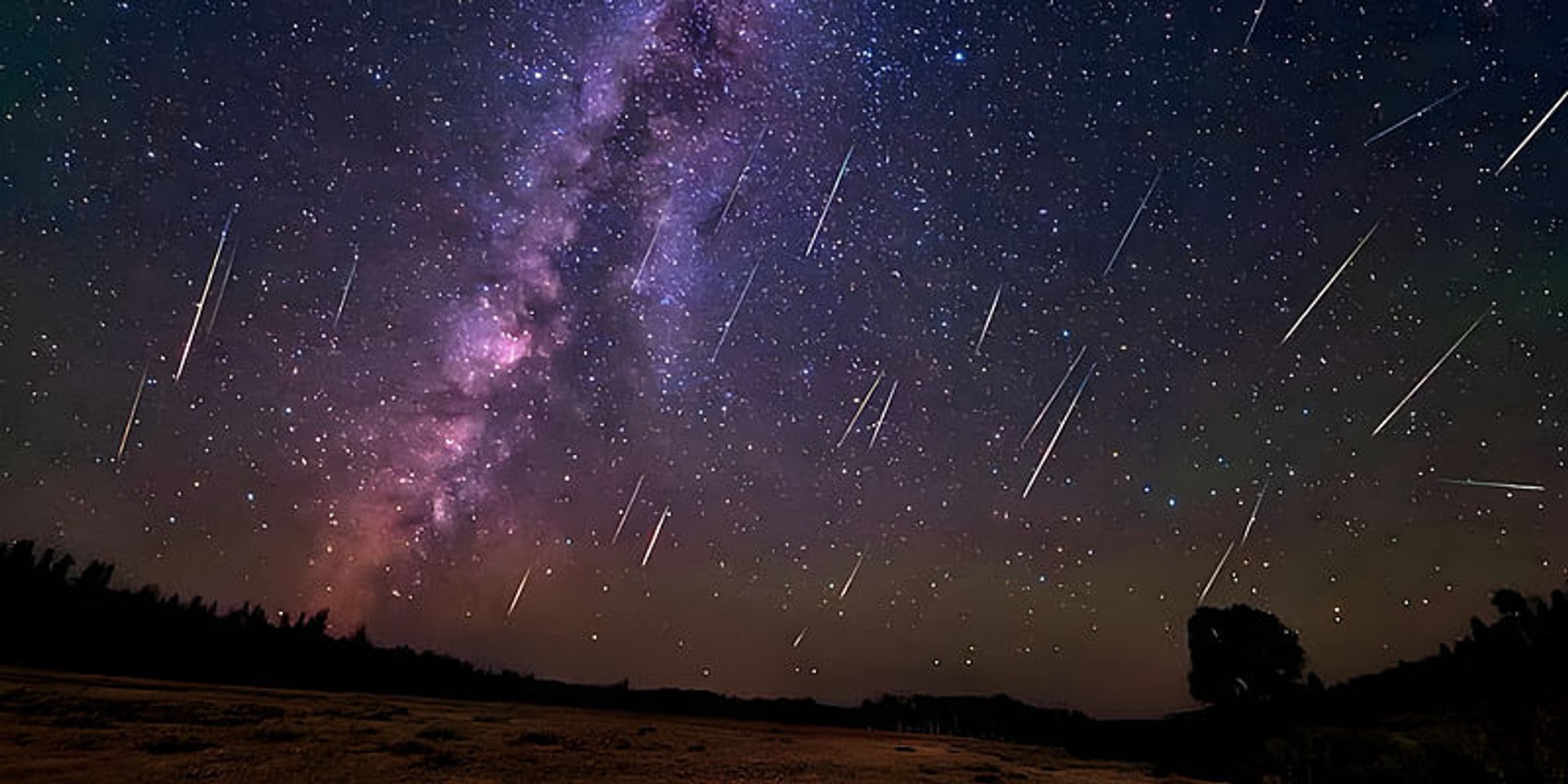
From mid to late April, stargazers in Azerbaijan will have the opportunity to witness the Lyrid meteor shower, a celestial event that promises to be both spectacular and intriguing. According to Azernews, the peak of the Lyrid meteor shower is expected to occur on April 22 at 22:04 Baku time, with observers potentially seeing between 18 to 20 meteors per hour.
The Department of Astrophysics at the Faculty of Physics of Baku State University (BSU) notes that the Lyrid meteor shower is known for its occasional bursts of activity, which can lead to an impressive display of up to 100 meteors per hour. Such bursts have been recorded in years like 1803, 1922, 1945, 1982, and 1985. While these bursts are difficult to predict, they add an element of excitement to the observation of the Lyrids, making them a particularly interesting phenomenon for astronomy enthusiasts.
The meteors from the Lyrid shower emit a bright white light and travel at a speed of approximately 49 kilometers per second. In Baku, the meteor shower can be observed every evening after 20:18, with the radiant point—the source of the meteors—reaching its highest position around 05:00. This timing means that the best conditions for observation will be in the pre-dawn hours, when Baku will be optimally positioned to face the incoming meteors. During this peak time, observers can expect to see about 17 meteors per hour, with the radiant reaching a maximum height of 83° in the sky.
The Lyrid meteor shower is associated with the long-period comet C/1861 G1 (Thatcher), which was discovered in 1861 by amateur astronomer A. E. Thatcher. This comet completes an orbit around the Sun approximately every 415 years, releasing particles of dust and gas during its passage. Each April, as the Earth travels through this residual debris, the particles burn up in the atmosphere, creating the bright flashes that characterize the meteor shower.
Notably, the Lyrids are one of the oldest recorded meteor showers, having been observed for around 2,700 years. The first documented sighting dates back to 687 BC by Chinese astronomers, marking the Lyrids as a significant event in the history of astronomy.
For those in Azerbaijan, this year's Lyrid meteor shower presents a wonderful opportunity to connect with the cosmos and enjoy the beauty of the night sky. Whether you are an experienced astronomer or a casual observer, be sure to find a dark spot away from city lights to fully appreciate this celestial spectacle.