Master Landscape photography with your phone
-
 Loading...
 - Linda Claasen
- 17 Jul 2024
- 47 Views
- 0 Like
- 0 Comment
In the age of smartphones, capturing stunning landscape photographs is no longer reserved for those with high-end cameras. With the right techniques and a bit of creativity, your phone can become a powerful tool for landscape photography. Here’s how you can master the art of capturing breathtaking landscapes with your phone.
1. Understand Your Phone’s Capabilities
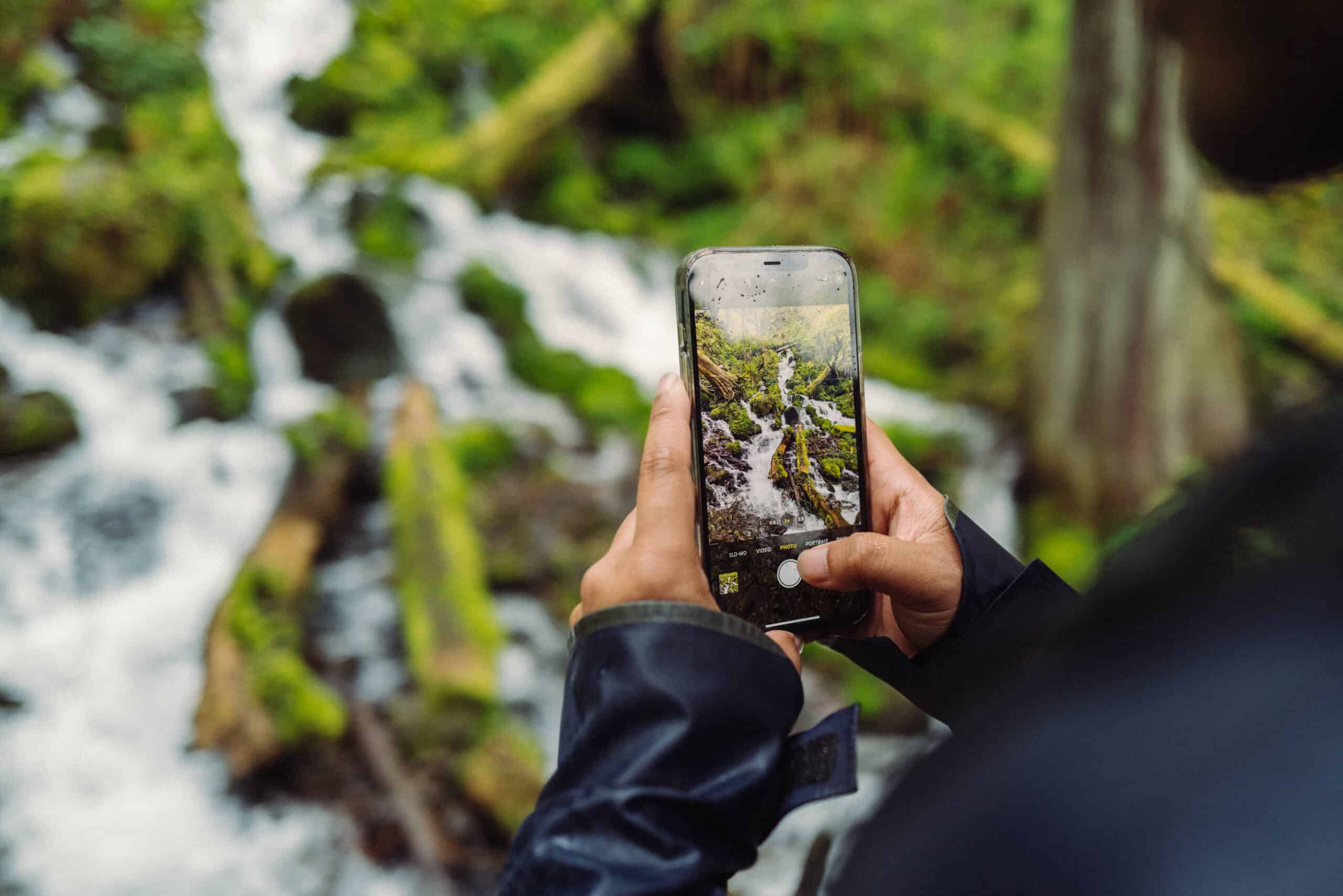
First and foremost, familiarize yourself with your phone’s camera settings and features. Modern smartphones come equipped with advanced camera technology, including multiple lenses, adjustable settings, and various shooting modes. Spend some time exploring these features to make the most of your device.
2. Choose the Right Time of Day
Lighting plays a crucial role in landscape photography. The golden hour—shortly after sunrise and before sunset—provides soft, warm light that can enhance the beauty of your landscapes. The blue hour, just before sunrise and after sunset, offers a cool, diffused light that can add a mystical quality to your photos.
3. Use the Rule of Thirds
Composition is key to creating visually appealing photographs. The rule of thirds is a simple yet effective guideline: imagine your frame divided into nine equal parts by two horizontal and two vertical lines. Place the main elements of your scene along these lines or at their intersections to create a balanced and engaging composition.
4. Focus on Foreground Interest
Incorporating elements in the foreground can add depth and dimension to your landscape photos. Look for interesting rocks, plants, or other features to include in the foreground. This not only provides a sense of scale but also leads the viewer’s eye into the scene.
5. Utilize Leading Lines
Leading lines guide the viewer’s gaze through the photograph and towards the main subject. Roads, rivers, fences, and pathways are excellent examples of leading lines. Position these elements strategically in your composition to draw attention and add a sense of movement.
6. Experiment with Perspectives and Angles
Don’t be afraid to change your viewpoint. Crouch down low to capture a unique perspective or find a higher vantage point for a broader view. Experimenting with different angles can result in more dynamic and interesting photographs.
7. Use HDR Mode
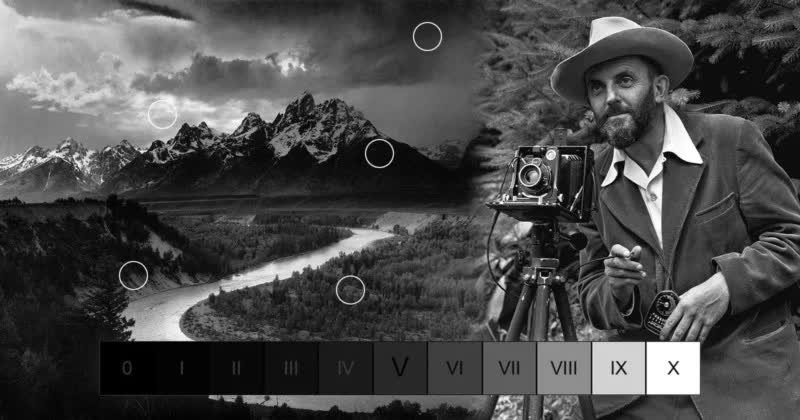
High Dynamic Range (HDR) mode can be particularly useful in landscape photography. It helps balance the exposure between the bright and dark areas of your scene, ensuring that details in both highlights and shadows are preserved. Use HDR mode in scenes with high contrast lighting for better results.
8. Edit Thoughtfully
Post-processing can enhance the impact of your landscape photos. Use editing apps like Snapseed, Lightroom, or your phone’s built-in editor to adjust exposure, contrast, saturation, and sharpness. However, avoid over-editing; aim to enhance the natural beauty of the scene rather than drastically altering it.
9. Keep Your Lens Clean
It may sound obvious, but a clean lens can make a significant difference in the clarity and sharpness of your photos. Regularly wipe your phone’s camera lens with a soft, lint-free cloth to remove smudges and fingerprints.
10. Practice Patience and Persistence
Great landscape photography often requires patience. Conditions like lighting, weather, and timing can be unpredictable. Be prepared to wait for the perfect moment or revisit a location multiple times to capture the ideal shot. Persistence will pay off in the quality of your photographs.
11. Use a Tripod
Although smartphones are designed for handheld use, a small tripod can be invaluable for landscape photography. It stabilizes your phone, especially in low-light conditions or when using slower shutter speeds. Many portable and affordable options are available that are compatible with smartphones.
12. Embrace Minimalism
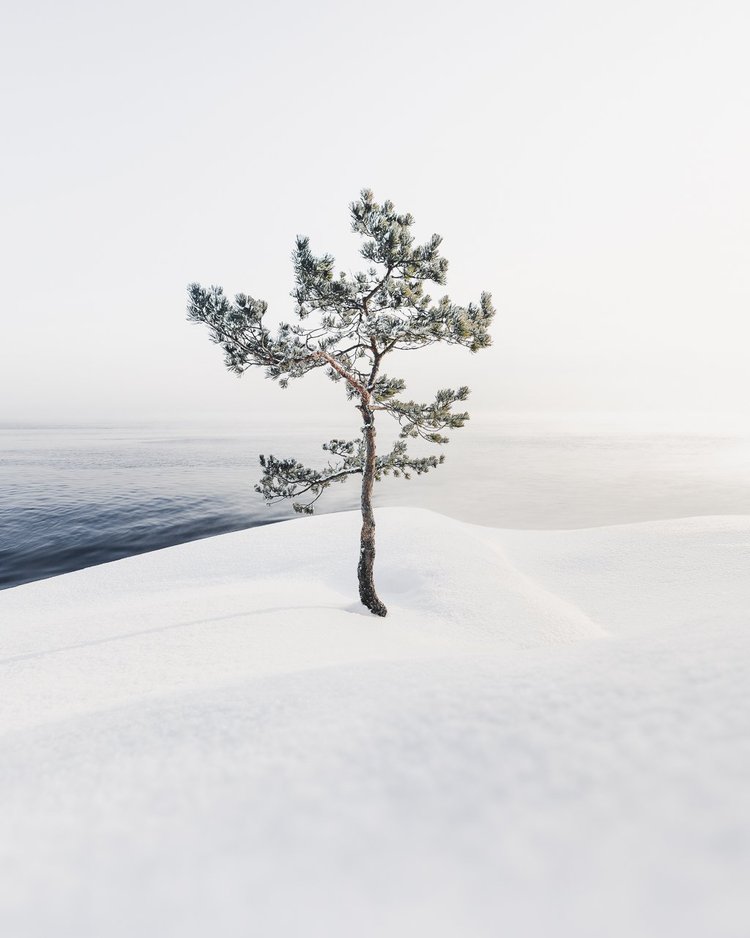
Sometimes, less is more. Embrace minimalistic compositions by focusing on a single element or a simple scene. This approach can create powerful images that convey a sense of tranquility and space.
13. Capture Panoramas
Most smartphones have a panorama mode that allows you to capture wide, sweeping landscapes. Use this feature to encompass the grandeur of vast scenes that don’t fit into a single frame. Panoramas can be especially effective for mountain ranges, coastlines, and cityscapes.
14. Use Natural Frames
Look for natural elements like trees, archways, or windows to frame your landscape shots. Framing adds depth and context to your photos, making the main subject stand out more effectively.
15. Pay Attention to the Sky
The sky is a crucial component of landscape photography. On clear days, use the sky to complement the land below. On cloudy days, use dramatic skies to add mood and atmosphere to your photos. Adjust your exposure to ensure that the sky is not overexposed or washed out.
Mastering landscape photography with your phone is entirely possible with practice and a keen eye for detail. By understanding your phone’s capabilities, using thoughtful composition techniques, and editing carefully, you can capture breathtaking landscapes that rival those taken with professional cameras. So, grab your phone, head outdoors, and start exploring the beauty of the world through your lens.