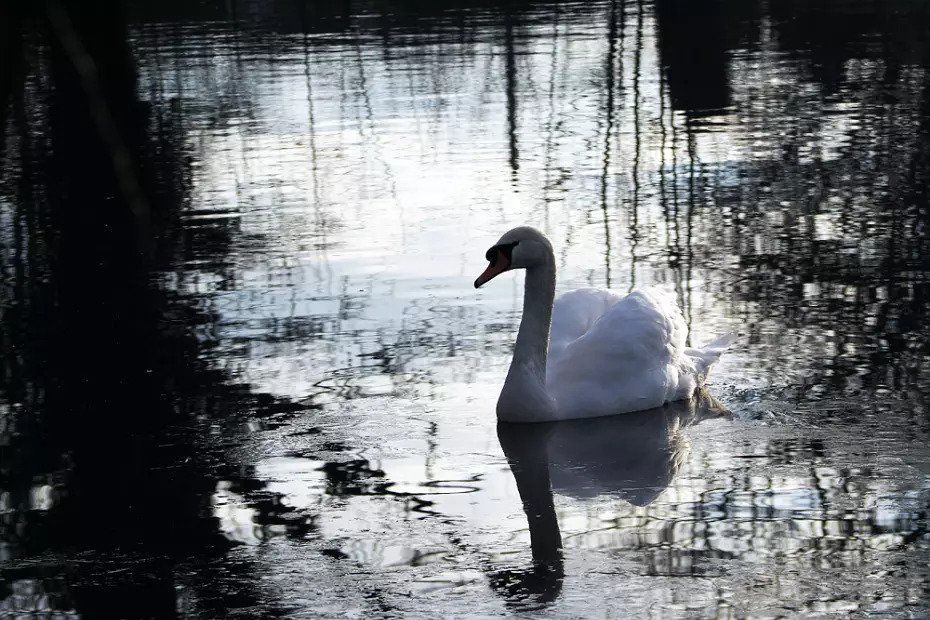
Master Swan Photography With These 4 Top Tips
-
 Loading...
 - Bahiti Salem
- 23 May 2023
- 73 Views
- 0 Like
- 0 Comment
Swans are majestic creatures that exude elegance and beauty. Photographing them can be a delightful experience, but it requires some skill and knowledge to capture their essence in a photograph. In this article, we will share four top tips that will help you master the art of swan photography. From understanding their behavior to choosing the right equipment, these tips will empower you to create stunning images that truly showcase the grace of these birds.
Tip 1: Get to Know Your Subjects
To capture compelling swan photographs, it's essential to understand their behavior and characteristics. Spend some time observing swans in their natural habitat. Take note of their movements, preferred locations, and feeding habits. This knowledge will enable you to anticipate their actions and position yourself accordingly. Remember, patience is key when photographing swans as they may take their time to exhibit the desired behavior.
Tip 2: Use the Right Equipment
Investing in the right photography equipment is crucial for achieving outstanding results. When it comes to swan photography, consider using a telephoto lens with a long focal length. This will allow you to capture detailed close-ups without disturbing the birds. Additionally, a tripod can provide stability and help eliminate camera shake, especially when shooting in low light conditions. Don't forget to pack spare batteries and memory cards to avoid missing out on any photographic opportunities.
Tip 3: Play with Light and Composition
Mastering light and composition is vital for creating visually striking swan photographs. When shooting during the golden hours of sunrise or sunset, the soft light can add a magical touch to your images. Experiment with different angles and perspectives to find the most captivating compositions. Incorporate elements such as reflections, leading lines, or natural frames to enhance the overall aesthetic appeal of your photographs. Remember, creativity knows no bounds, so don't be afraid to explore different techniques.
Tip 4: Patience and Persistence Pay Off
Swan photography requires patience and persistence. These birds can be unpredictable, and capturing the perfect shot may take time. Don't get discouraged if your initial attempts don't meet your expectations. Keep practicing and learning from each experience. Over time, you will develop a deeper understanding of swan behavior and refine your photography skills. Remember, perseverance is key to mastering any art form.
FAQs (Frequently Asked Questions)
1. How can I approach swans without disturbing them?
Approaching swans without causing disturbance requires caution and respect for their space. Maintain a safe distance to avoid causing any distress to the birds. Slow, gentle movements and avoiding sudden noises can help establish trust and prevent them from becoming wary of your presence.
2. What camera settings should I use for swan photography?
Choosing the right camera settings depends on various factors such as lighting conditions and desired effects. However, starting with a wide aperture (low f-number) to achieve a shallow depth of field can help isolate the swan from its surroundings. Experiment with different settings to find the perfect balance between sharpness and background blur.
3. How can I capture swan photographs in flight?
Capturing swans in flight requires anticipation and fast reflexes. Set your camera to continuous autofocus mode and use a fast shutter speed to freeze the motion. Track the bird's movement and be ready to press the shutter button at the right moment to capture the wings in an elegant position.
4. Are there any safety considerations when photographing swans?
While swans are generally docile creatures, it's important to respect their personal space and avoid any aggressive behavior. If you notice signs of agitation or defensive postures, it's best to back away and give them the space they need. Remember, the well-being of the birds should always be a priority.
5. What are some recommended locations for swan photography?
Swans can be found in various habitats such as lakes, ponds, and rivers. Research local nature reserves, parks, or wildlife sanctuaries that are known for swan populations. These locations provide ideal settings for capturing swans in their natural environment.
6. How can I add creativity to my swan photographs?
To add a creative touch to your swan photographs, experiment with different perspectives and compositions. Try shooting from a low angle or incorporating elements of the surrounding environment to provide context. Additionally, post-processing techniques can further enhance the mood and aesthetics of your images.
Mastering the art of swan photography requires a combination of technical skill, patience, and a deep appreciation for these majestic creatures. By understanding their behavior, using the right equipment, playing with light and composition, and maintaining perseverance, you can capture stunning images that truly showcase the grace of swans. So, put these four top tips into practice and embark on a journey to become a master swan photographer!