Meet Three New Zealanders On The Frontline Of Ocean Conservation
-
 Loading...
 - Amelia Martin
- 01 Jun 2022
- 271 Views
- 0 Like
- 0 Comment
The ocean plays a fundamental role in mitigating the effects of climate change — its health determines the oxygen we breathe, the food we eat and the excess carbon dioxide we store. We talk to three New Zealanders working hard to ensure this precious resource is taken care of.
LORNA DOOGAN
Lorna is the national and Auckland co-ordinator at EMR (Experiencing Marine Reserves), an organisation that works with school groups running free community snorkel, kayak and stand-up paddleboard days, and an annual “Mountains to Sea” WÄnanga. EMR’s aim is to teach people to snorkel and participate in an action project so they can help their local environment.
Why is it so important to experience the ocean, as opposed to learning about it from a book?
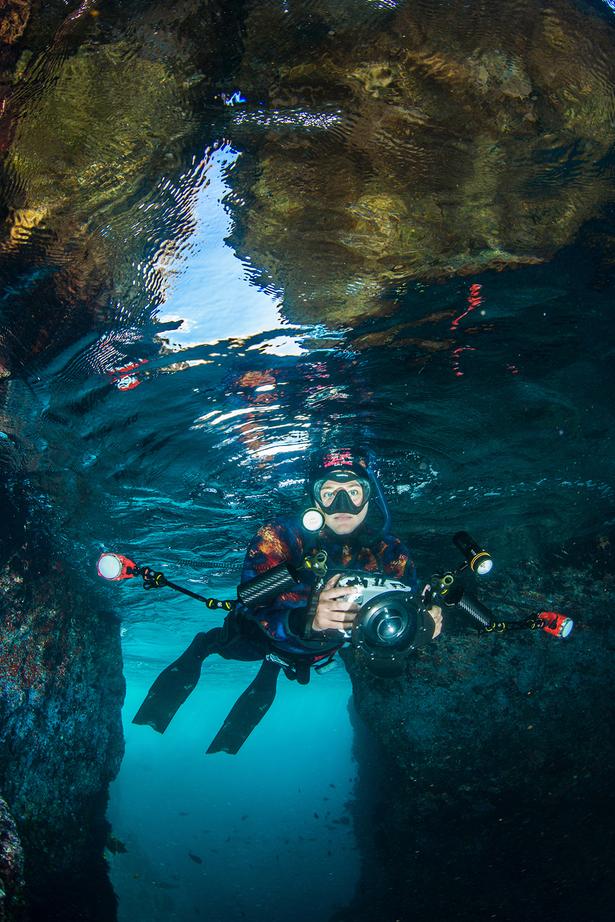
Putting a mask on and looking beneath the surface for the first time provides a gateway to another world. The impact that this has on learning potential is profound. If you don’t know it, how can you possibly love and protect it? Books provide a taster into understanding the other 70 per cent of our planet, but there is no substitution for the real thing.
Tell us about your personal connection with the ocean.
I was exceptionally lucky to be able to form a deep connection to te moana at a young age through boating and beach adventures with my family. Many hours were spent exploring the rock pools of Mairangi Bay.
Getting manicures from glass shrimp, feeding anemones and herding triple fins. When we weren’t in Auckland our playground was Opito Bay, Coromandel. Boating, snorkelling through sea caves and learning how to spearfish.
My grandparents bought a section next to two other friends in the 70s. We have laughed that Opito must breed marine biologists as at least one person from each family has gone into the marine field.
Through the four generations the changes have been stark. We still have an immense crayfish mounted on the wall from my grandfather’s time where he collected it from a rock pool. In my lifetime the kina barrens have spread and the mussels disappeared from the rocks. In my daughter’s short lifetime of 1.5 years the scallop fishery has absolutely collapsed in the bay.
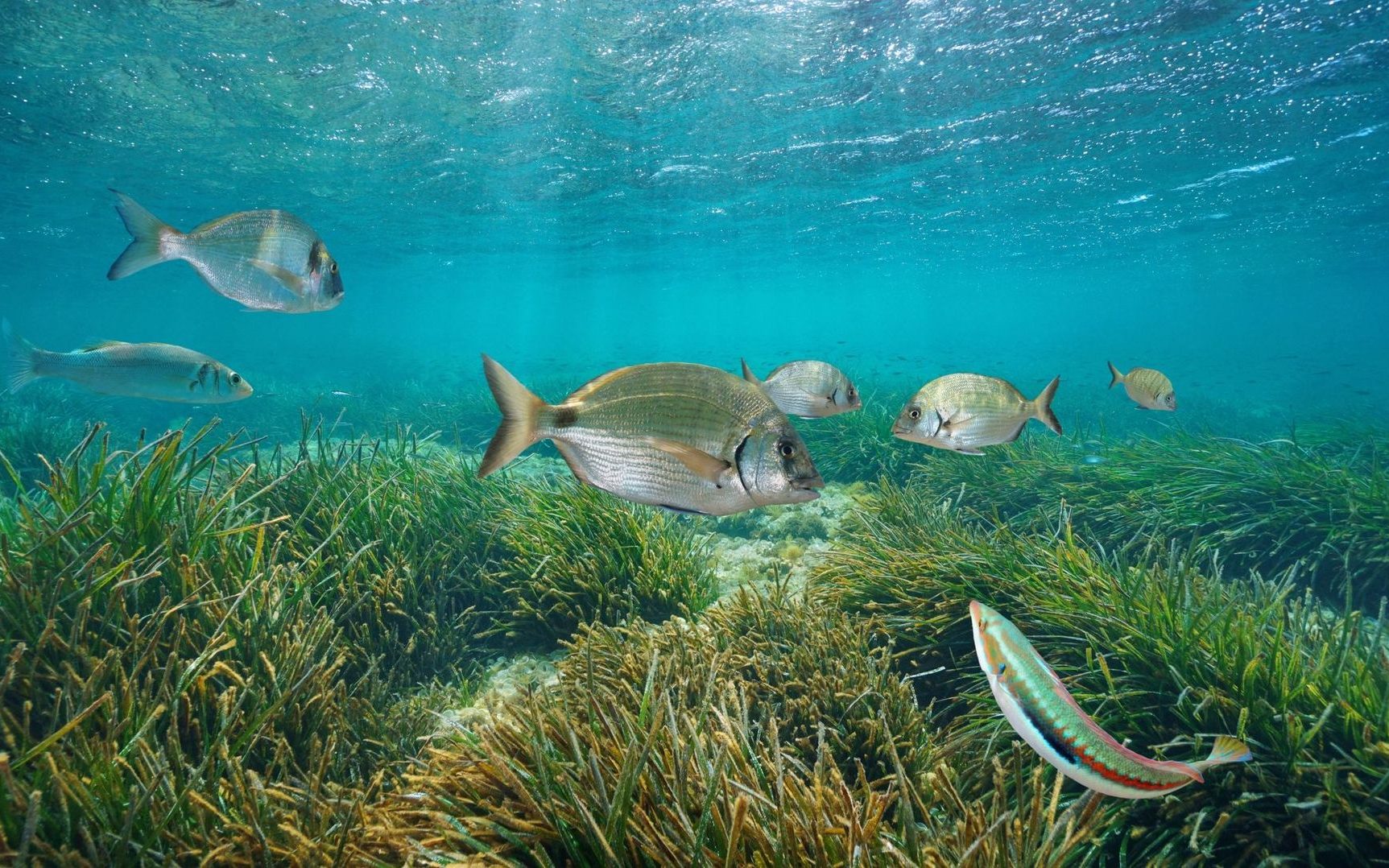
It’s not all dire though. There is a rÄhui now protecting the scallops and it feels like the tide is changing for marine protection. One of my favourite spots to snorkel is at Takapuna Reef, right next to a major city centre. If you get the tide and conditions right you are absolutely treated to scores of nudibranchs (colourful sea slugs) and schools of parore.
I wouldn’t have been able to snorkel at that site as a child due to the raw sewage being pumped out on to all our inner-city beaches. At least now you only snorkel with pooh after a large rain event!
Tell us something incredible readers may not know about the ocean.
The narrowing between a fish’s body and tail is called the caudal peduncle. Kina have five teeth that grow continuously and self-sharpen. Starfish are hydraulically propelled; they move their arms through water in their stone canal system instead of blood.
Do you have a memorable tale from snorkelling or being out at sea?
In 2018 we ran our first event at Waiake, Torbay, which is an urban snorkel site. Of all the locals that came for a snorkel most had never seen what was beneath the surface in their backyard. At that event we had a Persian family, aged 5 to 75. The grandmother had never put her face underwater before. They left the day beaming having seen a school of parore ... At an event at the Poor Knights recently I had a father say to me, “I’ve done a lot of things in my time and I’m not often speechless. But this, this is absolutely amazing.”
In my personal snorkel career I’ve swum with sharks, whales and turtles. To be able to celebrate the little things, to hear the excited squeal from a child about seeing the blue tuft of a tube worm or to simply see a starfish reignites my own passion and memories of those rockpools.
Why is your line of work so important at this point in time?
Our healthy ocean provides a huge carbon sink and buffer against the impacts of climate change. This protection decreases when our moana is degraded through impacts of overfishing, habitat loss due to sedimentation, dredging and pollution.
What can we do to help protect the ocean?
Get engaged with your local moana — get a mask on and experience your local area for yourself. You’ll be surprised at what you might find. Check our website and see if we operate in your backyard. Get your school involved in a programme, jump on a community event, become a volunteer and help others experience the ocean.
Find a local restoration group and work on riparian planting your catchment. Become a more conscientious consumer — if you eat seafood, know where it came from and what methods were used to catch it. Minimise your consumption of single-use products. Jump on your local beach clean.
JACOB ANDERSON
Jacob is programme manager at Blake (the Sir Peter Blake-inspired organisation established to continue his environmental leadership legacy). Jacob runs programmes for teachers and ambassadors, delivering environmental education programmes around Aotearoa. As a Sir Robin Irvine scholar, Jacob is undertaking his PhD at the University of Otago, his research focusing on past Antarctic climate and ice sheet behaviour.
What does a typical work day look like for you?
I could be halfway to Tonga at RangitÄhua/ Kermadec Islands, or in the Subantarctic Islands in the Southern Ocean. These Blake Expeditions take students, teachers, and scientists to explore remote biodiversity hotspots, and study ocean health and climate change.
What’s the most alarming thing your research has uncovered about the health of the ocean, and what makes your work with Blake so important in this regard?
When you work in Antarctica, you start to quickly realise the Antarctic ice sheets are not compatible with a warming world. As a geologist, I study rocks and sediments that have been deposited by ice sheets and glaciers in the past. Understanding how the ice sheets have responded to warmer climates in the past offers ways to predict future ice sheet responses. Part of my work at Blake translates earth and ocean science to education and action and equips people to be environmental leaders.
What can the average person do to help protect the ocean?
Reduce carbon emissions. The ocean absorbs more than 90 per cent of the excess heat, and a third of carbon emissions. The best ways to reduce your carbon emissions are by taking public transport, cycling, or driving an electric vehicle, reducing food waste, and reducing red meat consumption. This will also help slow the rate of sea-level rise.
Support marine protected areas: studies report protecting 30 per cent of the world’s ocean is one of the best things we can do to build ocean resilience in the face of climate change. Read More...