Meta Faces High-Stakes Trial Over Allegations of Illegal Monopoly
-
 Loading...
 - Khalish Jasmay
- 16 Apr 2025
- 33 Views
- 0 Like
- 0 Comment
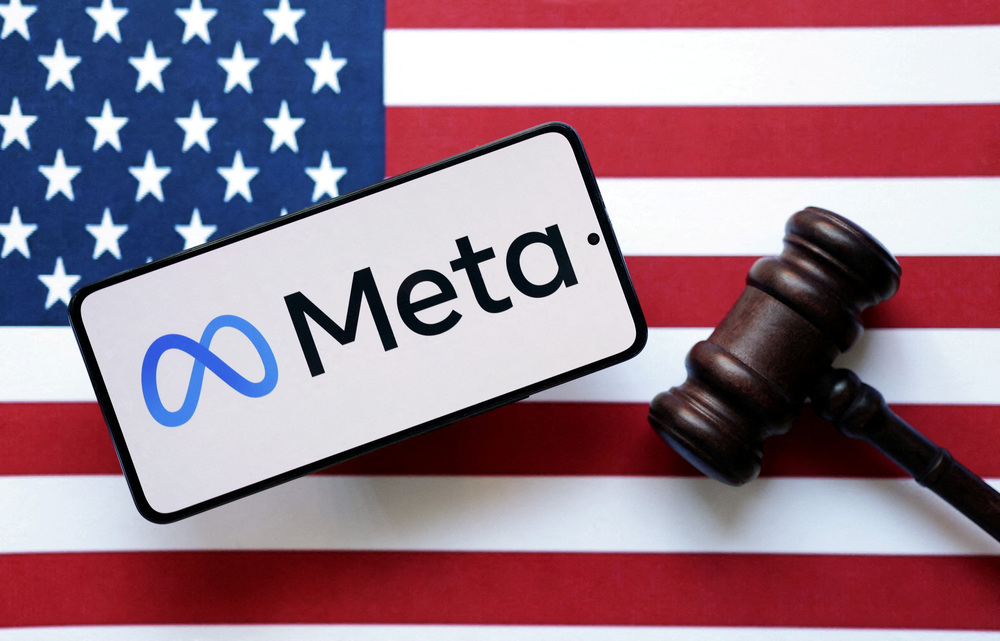
Meta Platforms, the parent company of Facebook, is set to face a significant trial in Washington starting Monday, as U.S. antitrust enforcers challenge the legality of its acquisitions of Instagram and WhatsApp. The Federal Trade Commission (FTC) claims that Meta built an illegal social media monopoly by spending billions to acquire these platforms, effectively eliminating potential competitors that could threaten Facebook's dominance in the social media landscape.
The FTC's case, initiated in 2020 during President Donald Trump's administration, argues that the acquisitions were strategically designed to maintain Facebook's status as the primary platform for users to connect with friends and family. The agency is seeking to force Meta to restructure its business, which could include divesting Instagram and WhatsApp, two key components of its operations.
Meta's Chief Legal Officer, Jennifer Newstead, has publicly criticized the FTC's case, labeling it as weak and a potential deterrent to future investments in the tech sector. In a blog post, she expressed her disbelief that the FTC would attempt to dismantle a successful American company while the Biden administration is simultaneously working to address concerns regarding the Chinese-owned TikTok.
The trial represents a critical moment for Meta, which reportedly derives about half of its U.S. advertising revenue from Instagram. The outcome will not only impact Meta's business model but also serve as a litmus test for the new administration's commitment to regulating Big Tech. The FTC's spokesperson, Joe Simonson, emphasized the agency's readiness for the trial, highlighting the expertise of its legal team.
Zuckerberg's Testimony and Key Evidence
Mark Zuckerberg, Meta's CEO, is expected to testify during the trial, where he will face scrutiny over past communications regarding the acquisitions. In particular, emails in which he suggested acquiring Instagram to neutralize a potential competitor and expressed concerns about WhatsApp evolving into a social network will be focal points of the prosecution's case.
Meta has countered the FTC's claims by arguing that its acquisitions have ultimately benefited users. The company points to the intense competition it faces from platforms like TikTok, YouTube, and Apple's messaging app as evidence that the social media landscape is far from monopolistic. Meta plans to highlight an increase in user engagement on Instagram and Facebook during TikTok's temporary shutdown in January as proof of ongoing competition.
The FTC contends that Meta holds a monopoly over platforms used for sharing content with friends and family, with its primary competitors being Snap's Snapchat and the smaller privacy-focused app MeWe. The agency argues that platforms like TikTok, YouTube, and Reddit, which focus on broadcasting content to a broader audience, are not interchangeable with Meta's offerings.
Potential Consequences for Meta
U.S. District Judge James Boasberg has indicated that while the FTC has sufficient evidence to proceed, the agency will face challenging questions regarding the viability of its claims during the trial. The proceedings are expected to extend into July, and if the FTC prevails, it will need to demonstrate in a subsequent trial that measures such as forcing Meta to sell Instagram or WhatsApp would effectively restore competition in the market.
Losing Instagram could have dire financial implications for Meta, as advertising research firm eMarketer projects that the platform will generate approximately $37.13 billion in revenue this year, accounting for over half of Meta's U.S. ad revenue. Although WhatsApp has not yet contributed significantly to Meta's revenue, it boasts the largest user base among the company's apps and is seen as a key driver for future growth through business messaging services.
This trial is part of a broader trend, as the FTC and the U.S. Department of Justice pursue multiple cases against major tech companies for alleged monopolistic practices. Amazon and Apple are currently facing lawsuits, while Alphabet's Google is contending with two separate legal challenges, including one that seeks to compel the company to divest its Chrome browser.
As the trial unfolds, the implications for Meta and the broader tech industry will be closely watched, marking a pivotal moment in the ongoing debate over antitrust regulations and the power of Big Tech.