Morocco Rejects De Mistura's Proposal for Partition of Western Sahara
-
 Loading...
 - Helena Boyle
- 18 Oct 2024
- 58 Views
- 0 Like
- 0 Comment
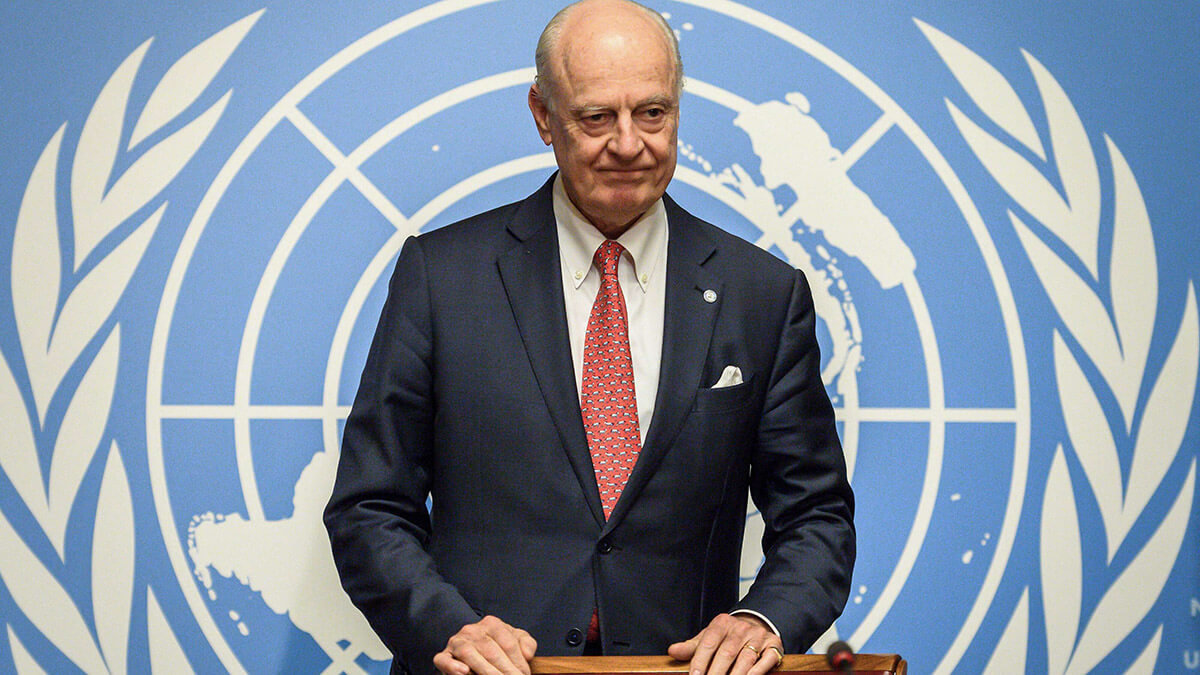
Morocco has firmly rejected a recent proposal by UN envoy Staffan de Mistura to partition Western Sahara, a contentious territory that has been the subject of dispute for decades. During a closed-door briefing at the UN Security Council, De Mistura presented his plan as a potential solution to the long-standing conflict, which envisions the annexation of the northern part of the Sahara to Morocco while allowing the Polisario Front to establish an independent state in the southern region.
According to reports from Reuters, De Mistura's proposal included delineating borders that would place the northern territory under Moroccan control, while the southern area would be governed by the Polisario Front, with a northern border adjacent to Morocco and a southern border bordering Mauritania. However, both Morocco and the Polisario Front have expressed their disapproval of the plan, leading De Mistura to suggest that the UN Secretary-General may need to reassess the effectiveness of his role as special envoy if no progress is achieved in the coming six months.
International observers had anticipated Morocco's rejection of the partition proposal, particularly in light of the increasing global support for its autonomy plan, which seeks to resolve the Sahara conflict under Moroccan sovereignty. Notably, France, a permanent member of the UN Security Council, has recently voiced its backing for this approach, further solidifying Morocco's position.
Morocco's top offer to resolve the conflict remains its autonomy proposal, which has been reiterated by officials, including Foreign Minister Nasser Bourita, during meetings with De Mistura. King Mohammed VI has also emphasized the significance of the Sahara issue, stating that it is "the prism through which Morocco looks at the world."
The current geopolitical landscape surrounding the Sahara issue indicates that Morocco is pursuing a favorable resolution with determination, bolstered by a growing number of nations that recognize its sovereignty over the territory. Major world powers, including the United States, France, and Spain, have expressed support for Morocco's stance.
Additionally, recent discussions within the UN Fourth Committee have seen several countries commend Morocco's efforts to develop the region. They highlighted the remarkable progress made in various sectors over the past few decades, attributing this development to Moroccan investments in the territory. As the situation evolves, Morocco's commitment to its autonomy plan remains steadfast, reflecting its broader strategic interests in the region.