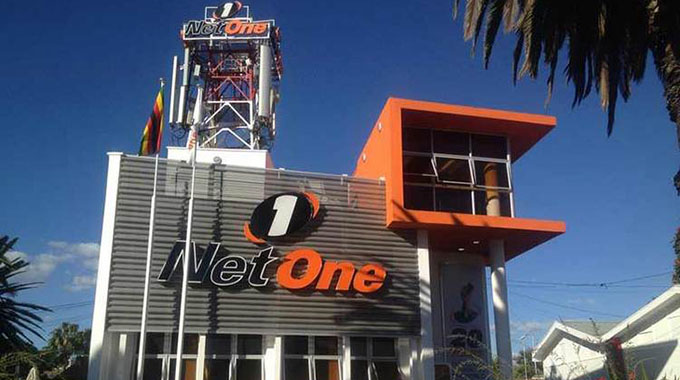
NetOne Launches 5G Base Stations in Zimbabwe
-
 Loading...
 - Naomi Niou
- 14 Nov 2024
- 71 Views
- 0 Like
- 0 Comment
NetOne has officially launched 5G base stations in Zimbabwe, marking a significant step towards enhancing the country’s digital landscape. This rollout is expected to foster innovation across various sectors, particularly agriculture, where farmers can leverage smart technologies to optimize food production while conserving water and energy resources.
Mushanawani, a representative from NetOne, emphasized the transformative potential of 5G, stating that it will revolutionize industries and service providers through increased automation and efficiency. He envisions a future where digital classrooms and smart cities enhance service delivery to citizens.
In addition to the 5G launch, NetOne has deployed 275 4G base stations nationwide as part of its broadband phase 3 initiative, which began on September 20, 2021. Vice President Kembo Mohadi highlighted that this advancement underscores Zimbabwe's commitment to a digital future, enhancing connectivity, stimulating innovation, and increasing productivity in line with the National Development Strategy 1 (NDS1), which aims to position the country as a knowledge-driven economy.
Beyond expanding its network capabilities, NetOne has partnered with Hikvision and Satewave Technologies to introduce Smart Surveillance and Smart Security solutions for homes and businesses, enhancing safety through advanced protection systems. Additionally, the company has unveiled a Smart Hybrid Power Solution powered by an AI engine, designed to optimize power use and improve the resilience of base stations often impacted by power outages and vandalism.
In the healthcare sector, NetOne is collaborating with ZimSmart Villages to deploy virtual hospitals in the Midlands, Mashonaland, and Harare. Initially relying on e-Band Microwave Technology, these facilities will now utilize the 5G network to provide faster and more reliable medical services, particularly in rural and underserved areas.
The launch of Starlink in Zimbabwe has intensified competition among telecommunications companies, prompting improvements in service offerings. For instance, Internet Service Providers (ISPs) like Liquid Home have reduced prices, while TelOne has partnered with Eutelsat’s OneWeb to provide satellite Internet services.
To further ensure quality service, new regulations under Statutory Instrument 154 of 2024 have been introduced, allowing telcos to face fines of up to $5,000 for inadequate service delivery, thereby encouraging better standards across the industry.