New Zealand on Verge of Wiping Out Painful Cattle Disease
-
 Loading...
 - albert charlotte
- 31 May 2022
- 267 Views
- 0 Like
- 0 Comment
New Zealand is on the verge of eradicating a painful disease from its herd of 10 million cattle after a four-year campaign that has cost hundreds of millions of dollars and resulted in more than 175,000 cows being killed.
Agriculture Minister Damien O’Connor said Thursday that 271 farms had been cleared of Mycoplasma bovis and only a single farm in the country still had the bacterial disease. New Zealand would be the first country that has managed to wipe it out completely.
In an interview with The Associated Press, O'Connor said it had been a traumatic process for affected farmers. If an infection was found on a farm, even healthy cows were killed to ensure the disease was stamped out.
“I'd say every farmer was very unhappy about having to see their herd be culled,” O'Connor said. “These are people who have strong connections, commitment and investment in their animals.”
Farming is the nation's biggest export earner and vital to its economy. When Mycoplasma bovis was first discovered in New Zealand in 2017, it prompted a huge response from the government, which concluded there was a one-off opportunity to wipe out the disease before it spread widely.
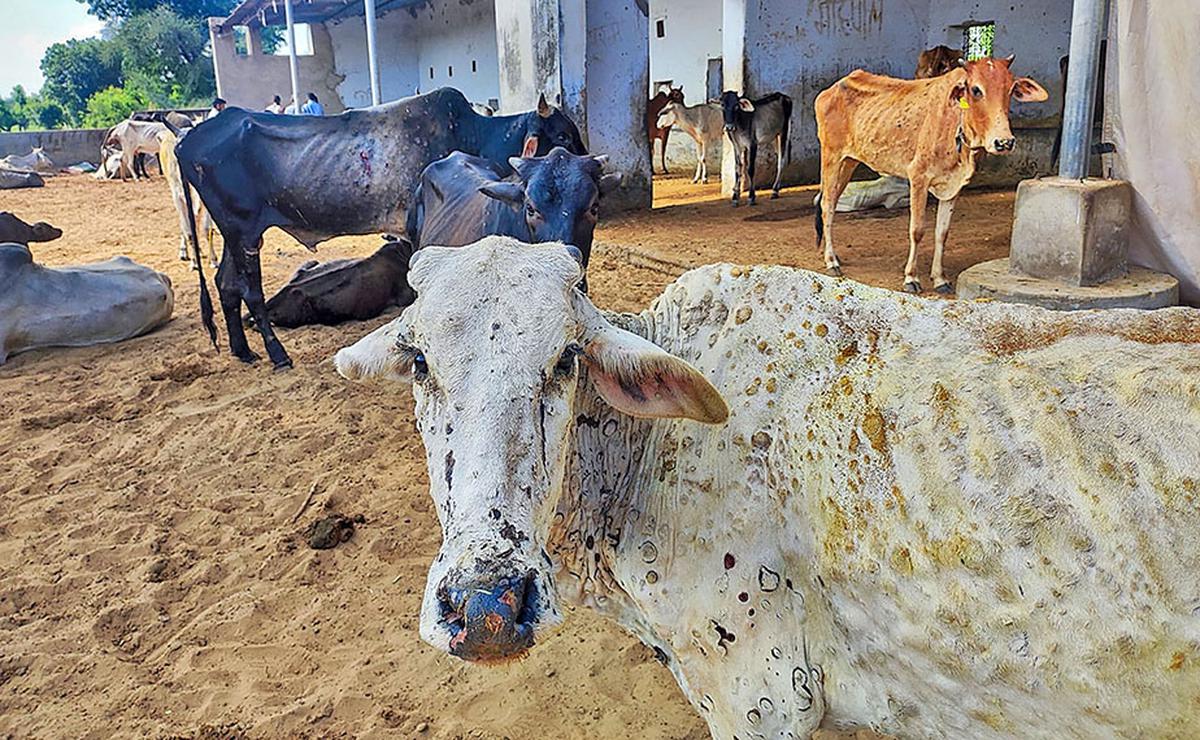
Found in cattle in the U.S. and Europe, Mycoplasma bovis is a bacteria that can cause cows to develop mastitis, pneumonia, arthritis and other painful conditions. The bacteria is not considered a threat to food safety, but the resulting diseases in cows can cause distress and result in lower milk and beef yields.
O'Connor said the final farm with the disease was a feed yard where cattle came to be fattened before slaughter. He said the farm would be cleaned of the disease later this year, and it would take several more months of monitoring around the country after that to declare victory.
He said the New Zealand campaign was groundbreaking.
“It is hugely significant, and I think there are other countries that have M. bovis that will be seeking to find out more about their options to eradicate as well,” O'Connor said. Read More…