Home Upload Photo Upload Videos Write a Blog Analytics Messaging Streaming Create Adverts Creators Program
Bebuzee Afghanistan Bebuzee Albania Bebuzee Algeria Bebuzee Andorra Bebuzee Angola Bebuzee Antigua and Barbuda Bebuzee Argentina Bebuzee Armenia Bebuzee Australia Bebuzee Austria Bebuzee Azerbaijan Bebuzee Bahamas Bebuzee Bahrain Bebuzee Bangladesh Bebuzee Barbados Bebuzee Belarus Bebuzee Belgium Bebuzee Belize Bebuzee Benin Bebuzee Bhutan Bebuzee Bolivia Bebuzee Bosnia and Herzegovina Bebuzee Botswana Bebuzee Brazil Bebuzee Brunei Bebuzee Bulgaria Bebuzee Burkina Faso Bebuzee Burundi Bebuzee Cabo Verde Bebuzee Cambodia Bebuzee Cameroon Bebuzee Canada Bebuzee Central African Republic Bebuzee Chad Bebuzee Chile Bebuzee China Bebuzee Colombia Bebuzee Comoros Bebuzee Costa Rica Bebuzee Côte d'Ivoire Bebuzee Croatia Bebuzee Cuba Bebuzee Cyprus Bebuzee Czech Republic Bebuzee Democratic Republic of the Congo Bebuzee Denmark Bebuzee Djibouti Bebuzee Dominica Bebuzee Dominican Republic Bebuzee Ecuador Bebuzee Egypt Bebuzee El Salvador Bebuzee Equatorial Guinea Bebuzee Eritrea Bebuzee Estonia Bebuzee Eswatini Bebuzee Ethiopia Bebuzee Fiji Bebuzee Finland Bebuzee France Bebuzee Gabon Bebuzee Gambia Bebuzee Georgia Bebuzee Germany Bebuzee Ghana Bebuzee Greece Bebuzee Grenada Bebuzee Guatemala Bebuzee Guinea Bebuzee Guinea-Bissau Bebuzee Guyana Bebuzee Haiti Bebuzee Honduras Bebuzee Hong Kong Bebuzee Hungary Bebuzee Iceland Bebuzee India Bebuzee Indonesia Bebuzee Iran Bebuzee Iraq Bebuzee Ireland Bebuzee Israel Bebuzee Italy Bebuzee Jamaica Bebuzee Japan Bebuzee Jordan Bebuzee Kazakhstan Bebuzee Kenya Bebuzee Kiribati Bebuzee Kuwait Bebuzee Kyrgyzstan Bebuzee Laos Bebuzee Latvia Bebuzee Lebanon Bebuzee Lesotho Bebuzee Liberia Bebuzee Libya Bebuzee Liechtenstein Bebuzee Lithuania Bebuzee Luxembourg Bebuzee Madagascar Bebuzee Malawi Bebuzee Malaysia Bebuzee Maldives Bebuzee Mali Bebuzee Malta Bebuzee Marshall Islands Bebuzee Mauritania Bebuzee Mauritius Bebuzee Mexico Bebuzee Micronesia Bebuzee Moldova Bebuzee Monaco Bebuzee Mongolia Bebuzee Montenegro Bebuzee Morocco Bebuzee Mozambique Bebuzee Myanmar Bebuzee Namibia Bebuzee Nauru Bebuzee Nepal Bebuzee Netherlands Bebuzee New Zealand Bebuzee Nicaragua Bebuzee Niger Bebuzee Nigeria Bebuzee North Korea Bebuzee North Macedonia Bebuzee Norway Bebuzee Oman Bebuzee Pakistan Bebuzee Palau Bebuzee Panama Bebuzee Papua New Guinea Bebuzee Paraguay Bebuzee Peru Bebuzee Philippines Bebuzee Poland Bebuzee Portugal Bebuzee Qatar Bebuzee Republic of the Congo Bebuzee Romania Bebuzee Russia Bebuzee Rwanda Bebuzee Saint Kitts and Nevis Bebuzee Saint Lucia Bebuzee Saint Vincent and the Grenadines Bebuzee Samoa Bebuzee San Marino Bebuzee São Tomé and Príncipe Bebuzee Saudi Arabia Bebuzee Senegal Bebuzee Serbia Bebuzee Seychelles Bebuzee Sierra Leone Bebuzee Singapore Bebuzee Slovakia Bebuzee Slovenia Bebuzee Solomon Islands Bebuzee Somalia Bebuzee South Africa Bebuzee South Korea Bebuzee South Sudan Bebuzee Spain Bebuzee Sri Lanka Bebuzee Sudan Bebuzee Suriname Bebuzee Sweden Bebuzee Switzerland Bebuzee Syria Bebuzee Taiwan Bebuzee Tajikistan Bebuzee Tanzania Bebuzee Thailand Bebuzee Timor-Leste Bebuzee Togo Bebuzee Tonga Bebuzee Trinidad and Tobago Bebuzee Tunisia Bebuzee Turkey Bebuzee Turkmenistan Bebuzee Tuvalu Bebuzee Uganda Bebuzee Ukraine Bebuzee United Arab Emirates Bebuzee United Kingdom Bebuzee Uruguay Bebuzee Uzbekistan Bebuzee Vanuatu Bebuzee Venezuela Bebuzee Vietnam Bebuzee World Wide Bebuzee Yemen Bebuzee Zambia Bebuzee Zimbabwe
Blog Image

New discovery about distant galaxies: Stars are more massive than we thought

A team of astrophysicists has arrived at a major result regarding star populations beyond the Milky Way. The result could change our understanding of a wide range of astronomical phenomena, including the formation of black holes, supernovae and why galaxi

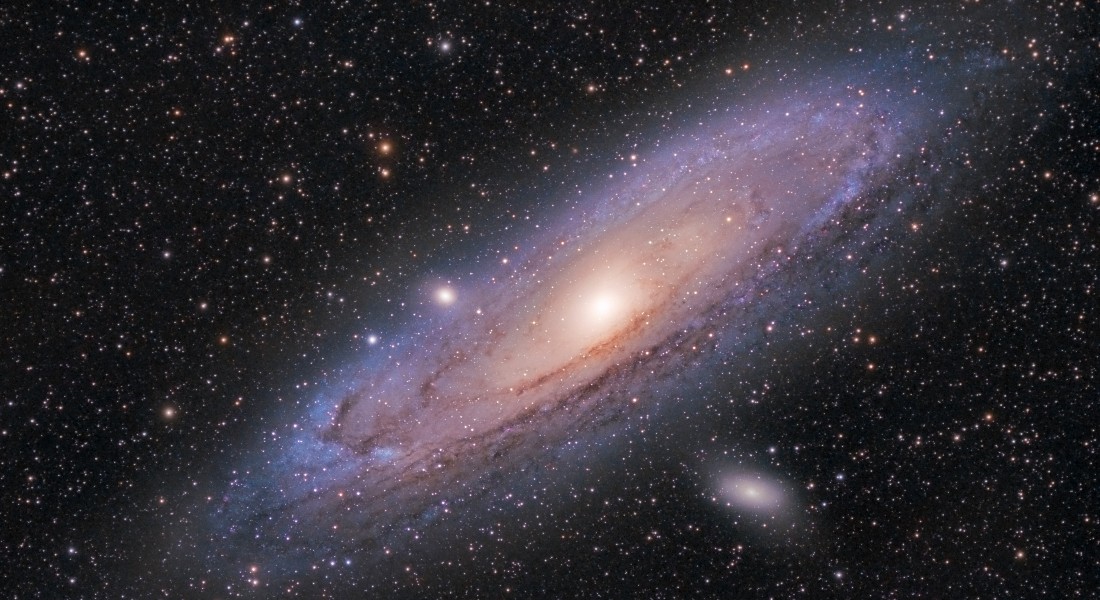
A team of University of Copenhagen astrophysicists has arrived at a major result regarding star populations beyond the Milky Way. The result could change our understanding of a wide range of astronomical phenomena, including the formation of black holes, supernovae and why galaxies die.

For as long as humans have studied the heavens, how stars look in distant galaxies has been a mystery. In a study published today in The Astrophysical Journal, a team of researchers at the University of Copenhagen's Niels Bohr Institute is doing away with previous understandings of stars beyond our own galaxy.

Since 1955, it has been assumed that the composition of stars in the universe's other galaxies is similar to that of the hundreds of billions of stars within our own -- a mixture of massive, medium mass and low mass stars. But with the help of observations from 140,000 galaxies across the universe and a wide range of advanced models, the team has tested whether the same distribution of stars apparent in the Milky Way applies elsewhere. The answer is no. Stars in distant galaxies are typically more massive than those in our "local neighborhood." The finding has a major impact on what we think we know about the universe.

"The mass of stars tells us astronomers a lot. If you change mass, you also change the number of supernovae and black holes that arise out of massive stars. As such, our result means that we'll have to revise many of the things we once presumed, because distant galaxies look quite different from our own," says Albert Sneppen, a graduate student at the Niels Bohr Institute and first author of the study.

Analyzed light from 140,000 galaxies

Researchers assumed that the size and weight of stars in other galaxies was similar to our own for more than fifty years, for the simple reason that they were unable to observe them through a telescope, as they could with the stars of our own galaxy.

Distant galaxies are billions of light-years away. As a result, only light from their most powerful stars ever reaches Earth. This has been a headache for researchers around the world for years, as they could never accurately clarify how stars in other galaxies were distributed, an uncertainty that forced them to believe that they were distributed much like the stars in our Milky Way.

"We've only been able to see the tip of the iceberg and known for a long time that expecting other galaxies to look like our own was not a particularly good assumption to make. However, no one has ever been able to prove that other galaxies form different populations of stars. This study has allowed us to do just that, which may open the door for a deeper understanding of galaxy formation and evolution," says Associate Professor Charles Steinhardt, a co-author of the study.

In the study, the researchers analyzed light from 140,000 galaxies using the COSMOS catalog, a large international database of more than one million observations of light from other galaxies. These galaxies are distributed from the nearest to farthest reaches of the universe, from which light has traveled a full twelve billion years before being observable on Earth.

Massive galaxies die first

According to the researchers, the new discovery will have a wide range of implications. For example, it remains unresolved why galaxies die and stop forming new stars. The new result suggests that this might be explained by a simple trend.

"Now that we are better able to decode the mass of stars, we can see a new pattern; the least massive galaxies continue to form stars, while the more massive galaxies stop birthing new stars,. This suggests a remarkably universal trend in the death of galaxies," concludes Albert Sneppen. Read More…

Previous Post

Scientists made a Mà¶bius strip out of a tiny carbon nanobelt

Next Post

New Zealand on Verge of Wiping Out Painful Cattle Disease

Comments