Night Photography Settings: How to Take Great Photos at Night
-
 Loading...
 - Tayer Brown
- 07 Oct 2022
- 66 Views
- 0 Like
- 0 Comment
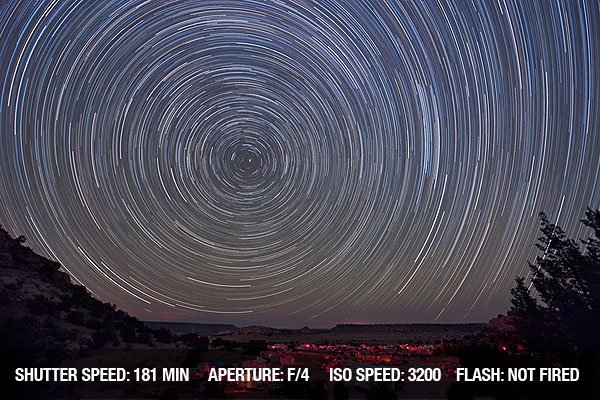
Night photography can be a real struggle for some photographers. As soon as the sun sets, they are done taking photos, and the camera goes right back in the bag. With the right setting, the night does not have to be a challenge that cannot be overcome.
The rules are obviously different in the dark than in the daylight. The camera is built to collect light. Creating or finding enough nighttime light without lugging around a bunch of lighting gear can be a chore.
I personally like getting out at night and shooting. The quiet and darkness appeal to my introverted nature, I suppose. Especially if you choose to shoot night scenes in city or suburban areas, the hustle and bustle of the day are typically relaxed. Of course, shooting outside a hot nightspot will negate that feeling of solitude, but that is always the choice one can make when choosing locales to photograph.
So, for any daytime photographers looking for a challenge, embrace what’s different about nighttime photography and give it a go. Here are some tips for making the most of a successful night photography session.
Camera Gear for Night Photography
Night photography settings include not only the camera but also the gear. Here are some essential (and optional) items to set you up for successful nighttime photography.
Tripod
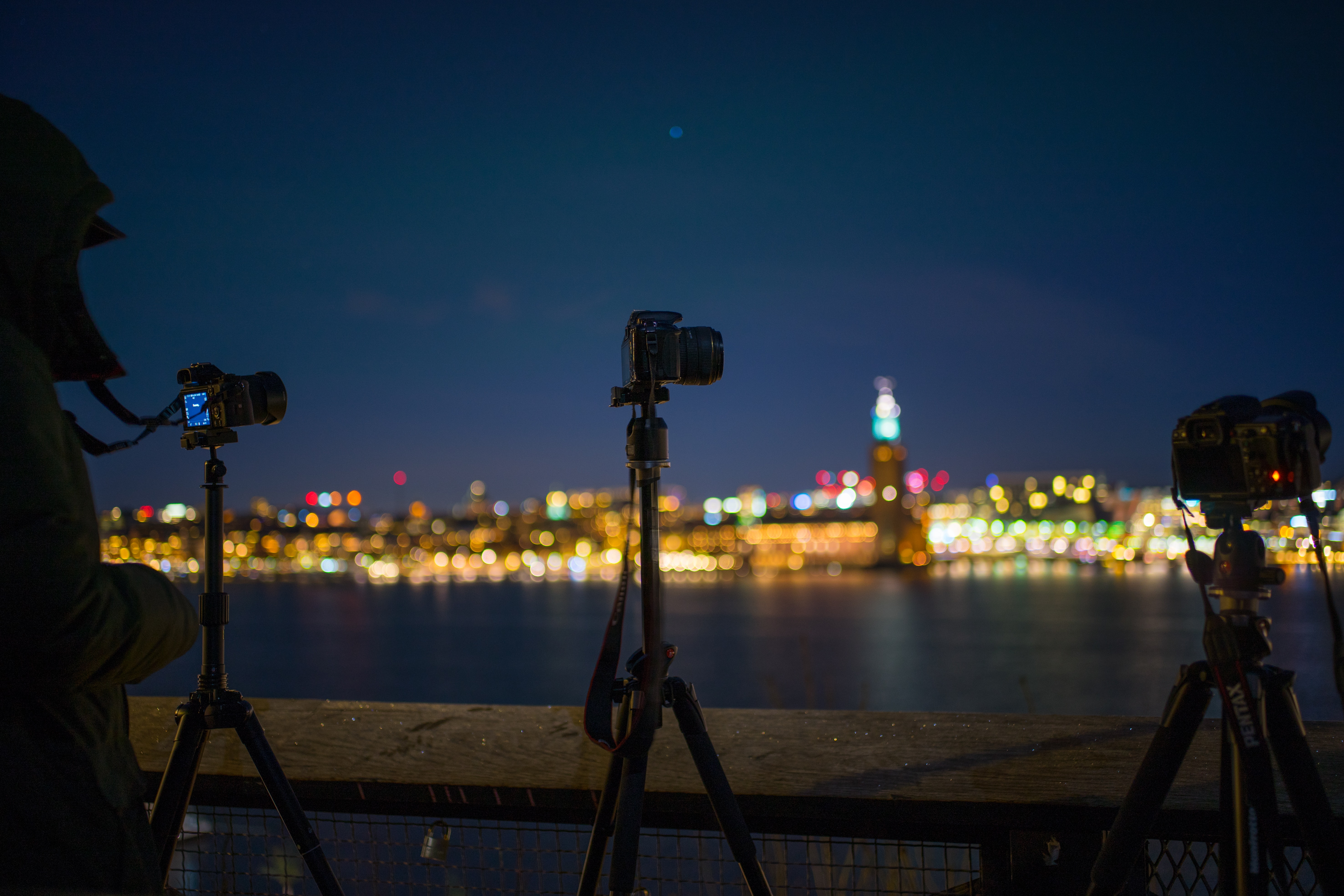
It is fairly obvious, but you are going to need a tripod. There are times when you can make do with any sturdy surface, but for convenience and getting the most out of your shots, a tripod will just do better.
Do you need an expensive carbon fiber tripod? There is a lot to be said for the convenience of having a light and sturdy model that you can easily carry around with you. Then again, maybe you will not be very mobile and will just set up next to your car for hours. If so, who cares how heavy and awkward the tripod is?
Personally, the tripod I use weighs probably more than a spare tire, but then again, it never wavers in windy conditions.
Flashlight
I have a flashlight with me just about everywhere I go, day or night. I use LED lights at night for light painting, and I use filtered lights to protect my night vision. If I need a white light, then I have one available.
There are so many different small and reliable light sources to choose from. Regardless of what you use, it will come in handy trying to fiddle with settings or backlight a subject, or simply play around with. Read More…