‘No other place to go’: Migrants living in toxic dump in Chile
-
 Loading...
 - Chama Badawi
- 05 Apr 2023
- 71 Views
- 0 Like
- 0 Comment
Chile’s Cerro Chuño neighbourhood has become notorious for environmental pollution and dangerous criminal activity.
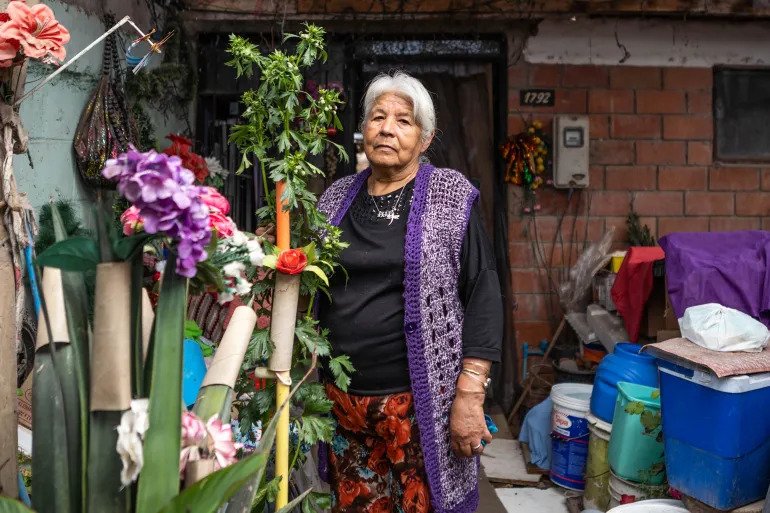
Mireia Godoy, 74, no longer remembers what her neighbourhood used to be called when she arrived more than 20 years ago.
“Now they named it Cerro Chuño and nobody wants to come here. Before, we used to have buses and everything at our doorstep,” she said.
It looks as if a war has ravaged the main street of Cerro Chuño, a slum in the east of Arica, a city in northern Chile buried on the edge of the Atacama Desert. Its cracked pavement is littered with rubbish and a thick layer of brown dust covers the few businesses that remain open.
Beneath the dust, however, lies a deadly secret: Cerro Chuño is highly contaminated with lead and arsenic, among other heavy metals that can cause severe health issues.
“Ask me about my illnesses, I have them all,” Godoy laughs melancholically, enumerating the problems with her bones, heart, legs and hands.
“Everything because of the lead,” she explains. “Because of the toxic dump where our sons used to play. How many children must have died here.”

Built in the early 1990s, as the dictatorship of General Augusto Pinochet came to an end, Cerro Chuño has become a home for migrants and refugees from across Latin America. But thanks to the long-term effects of an international mining agreement, Cerro Chuño is also a site of environmental pollution, leading to health problems, instability and criminal activity. Read More…