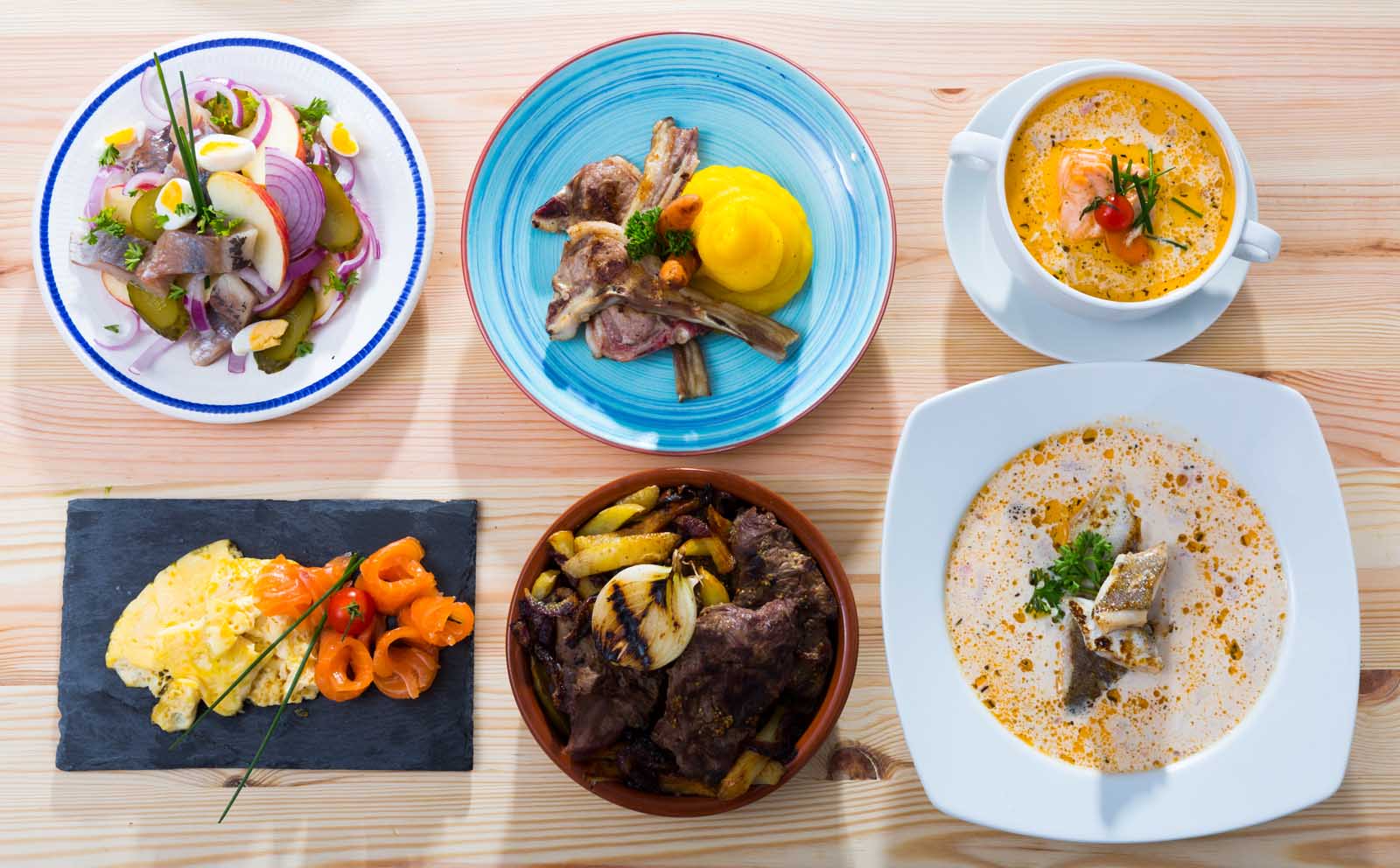
Norwegian Food: 16 Traditional Norwegian Dishes You Have To Try
-
 Loading...
 - Imogen Fletcher
- 23 Mar 2022
- 395 Views
- 0 Like
- 0 Comment
One of the things we love most about Norway, aside from the beautiful Fjords and abundance of Reindeer, is the food. Norwegian food is highly underrated, and there are a lot of really unique dishes we think you have to try! Take a look at our pick of the best Norwegian dishes in this guide.
Traditional Norwegian Dishes

One thing we can say about Norwegian food is that it is definitely unique. With traditions handed down from the Vikings utilizing fresh fish, foraged berries farmed lamb, and Norwegian cheese, there is a wide variety of Norwegian dishes to sample when you visit the country.
1. Farikal – Mutton And Cabbage

Known as the Norwegian national dish, Farikal is really a simple dish of mutton and cabbage. Like most traditional Norwegian food is hearty and tasty.
This meal is quite easy to prepare but can take a little time. It is made by putting bone-in lamb or mutton, cabbage, water and salt, and pepper together in a casserole dish. You slow cook it for a few hours until the cabbage and lamb are tender. When it is ready t eat, serve it with a side of potatoes and you have the perfect traditional Norwegian dish.
If you are in Norway you will typically find Farikal served during the autumn and winter months. It is s perfect dish to warm the bones.
2. Brunost – Brown Cheese

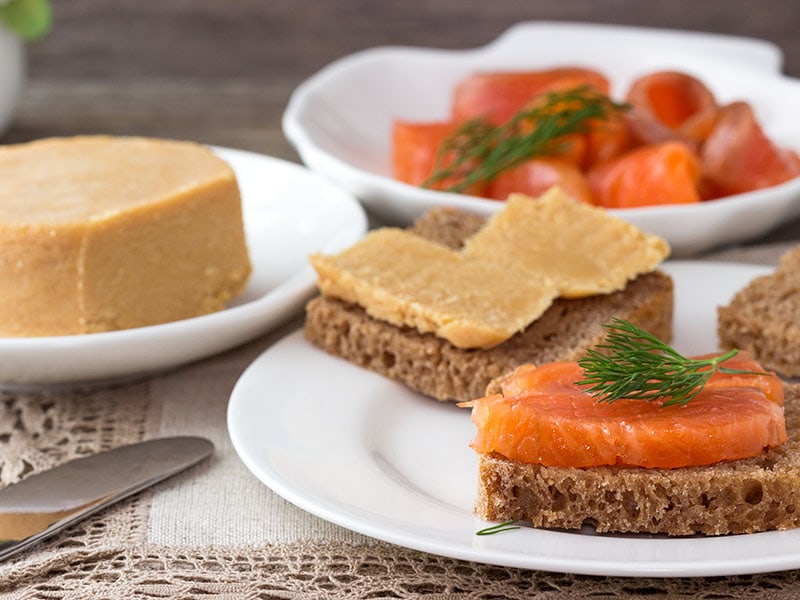
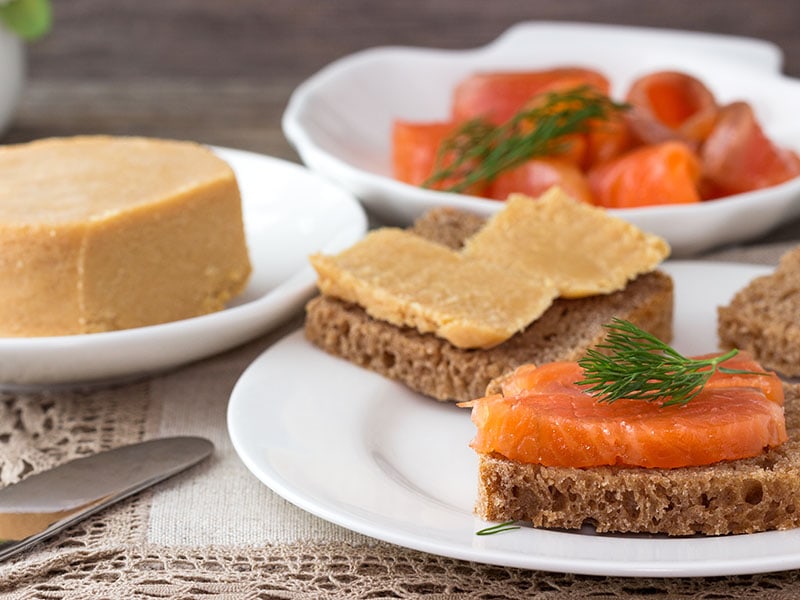
Brunost is a love it or hate it sort of food. It’s really unique, which is the main reason we’ve added it to this late, and a staple in the Norwegian fridge. Brunost is a type of creamy cheese, usually made with cow’s milk but can also be made with cream or goat’s milk.
There are two reasons why brunost splits opinion: the taste and the texture. First of all, it’s a sweet, caramelized cheese that’s not savory at all. It’s a little tangy and unusual, but if you like it then you’ll be a fan for life. The texture is very creamy, which we think is brilliant. But, it can get stuck a little in your teeth, which isn’t always ideal.
If you’re trying brunost, make sure to buy a traditional Norwegian cheese slicer to go with it! You’ll find these in every Norwegian’s kitchen drawer, and it’s a great way to slice these creamier cheeses without fuss.
3. Vafler – Waffles

You can’t go to Norway without having a waffle. These sweet treats are a highlight of the country’s cuisine, though of course not as unusual as brunost. But, Norway does seem to love them more than anywhere else (at least in our opinion).
It’s traditional to receive your waffles in the shape of a heart, and they’ve been served this way for over 150 years. Usually, you’ll have one large waffle made out of many hearts which can be torn off and enjoyed, typically with jam.
You might be thinking but I’ve tried a waffle, this is nothing new! but no one does waffles like the Norwegians. Thin, fluffy, and slightly crisp, they’re different from the waffles in the US and enjoyed by many people around the country every day.
4. Smalahove – Sheep’s Head

Okay, here’s a traditional Norwegian food that isn’t going to be to everyone’s taste. Even in Norway, its popularity is dying out, but it’s still a traditional dish in this Scandinavian country.
Sheep’s head is exactly what it says on the tin. Half of the head of a sheep is cooked at low heat for a long time before being served up with vegetables and potatoes. If you’re squeamish, you might want to skip: but the most delicious parts of the head are apparently the tongue and the eye!
Smalahove has been eaten for centuries and originated in a time when the wasting of part of an animal wasn’t even considered. If you want to try it in Norway now, your best bet is to head to a small village around Christmas time where you’ll probably find it still on the menu!
5. Lapskaus – Stew

Norway has been enjoying Lapskaus since the 1800s (though it actually came from Germany) and, as Norwegian foods go, it’s a bit more mainstream than a sheep’s head. You’ll find lapskaus being served up in homes across the country throughout the year, and it’s a hearty meal that’ll certainly keep away the cold.
The traditional stew is made with beef, along with vegetables like leeks, potatoes, swede, and carrots. These are all added to one pot to create a hot, delicious stew. We recommend the dark variety of lapskaus which is made with a brun saus (brown sauce, a type of gravy) base for added flavor. Read More…