NSW and Victoria have relaxed their COVID-19 rules. Here's what has changed
-
 Loading...
 - Lucas Wilson
- 20 Apr 2022
- 309 Views
- 0 Like
- 0 Comment
Household contacts of COVID-19 cases will no longer need to isolate for seven days in New South Wales and Victoria in a raft of changes made by the states to ease public health restrictions.
Both states made the announcements of the eased COVID-19 rules on Wednesday, as they remain on track to allow residents to normalise living with the virus.
Here's what you should know about the new rules, when they'll come into force and why the changes have been enacted now.
Which rules have changed?
In New South Wales:
Household contacts of a person who has tested positive for COVID-19 will no longer need to stay at home and isolate for seven days.
Instead, they will have to undertake daily rapid antigen tests, wear masks indoors and outdoors and work from home where possible.
Household contacts will not be allowed to enter high-risk environments, including hospitals, correctional centres, disability, and aged care settings.
They must also notify their employers of their status as a household contact.
Previously, if a person was a household contact of someone who tested positive for COVID-19, they would be required to isolate for seven days, unless they held an exemption as a critical worker.
In Victoria:
Residents no longer need to provide proof of double-vaccination to enter a venue, nor will they be required to check in via the QR code.
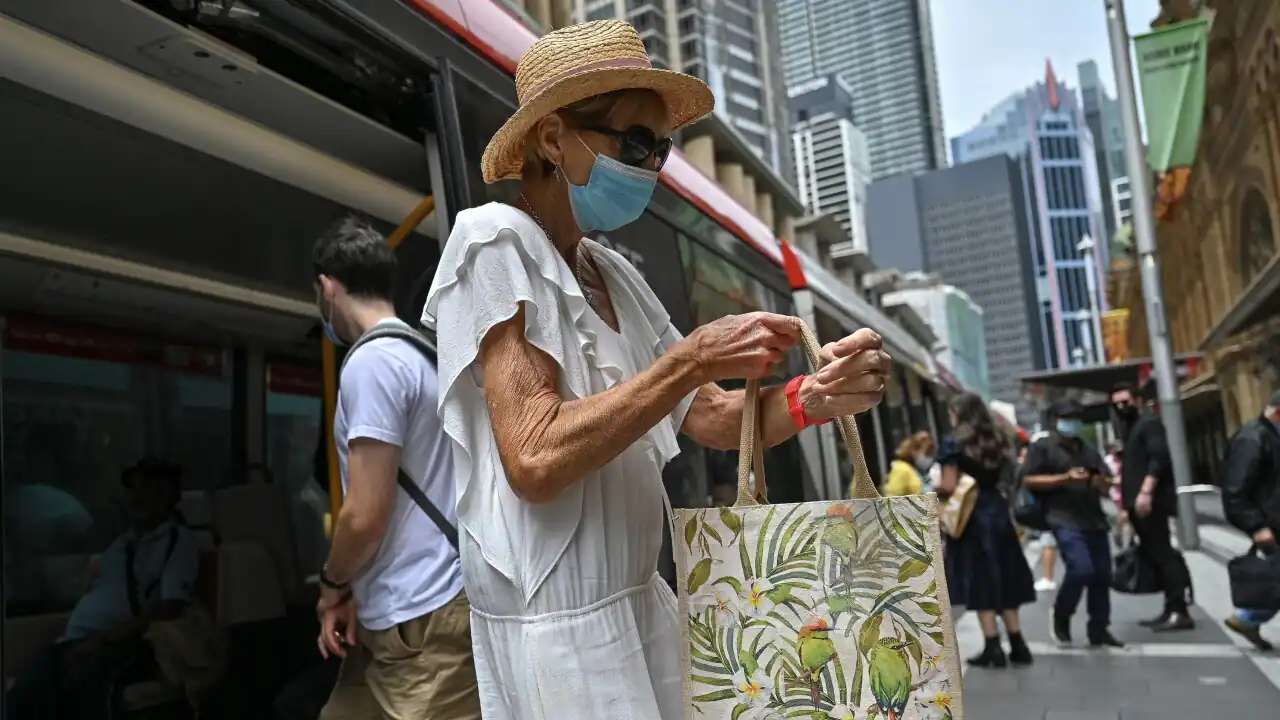
Masks do not have to be worn at primary schools, including early childhood centres, hospitality venues and retail shopping centres.
They will still need to be worn at airports, on public transport, and at aged care and correctional centre facilities.
Similar rules are set in place for household contacts in Victoria, but instead, they will be required to undertake at least five RATS (rather than daily). And while still recommended, it is no longer a requirement to undertake a PCR test if you are asymptomatic.
Unvaccinated travellers no longer need to undergo hotel quarantine in both states.
When do the new rules come into force?
Victoria's Health Minister Martin Foley says the raft of restrictions will ease from 11:59pm on Friday, 22 April.
New South Wales Premier Dominic Perrottet says the requirement of close contacts to isolate for seven days will end at 6pm on Friday.
From 30 April, hotel quarantine will no longer be mandated for returning unvaccinated travellers entering New South Wales.
Why now?
Mr Foley says the state was in a position to ease the restrictions as it passed the peak of its second Omicron wave.
"That's why we're in the position of being able to take some important steps over the coming days," he told reporters.
Although it was not the end of the pandemic, "it is a great day for our state", Mr Perrottet said.
"It is also a day to reflect on what we have come through ... let's just focus on success for a moment," he said.
The eased rules also come as business leaders have been pushing for restrictions to be scrapped as staff shortages continue to cripple many industries that are yet to recover from the pandemic.
Is COVID-19 gone, then?
Not quite. There are still thousands of people across the country who test positive daily, but state officials feel confident that these restrictions can be eased without harming
However, clinical epidemiologist Nancy Baxter says people must continue to take great care to ensure that a spike in COVID-19 cases does not eventuate with these new relaxed rules.
"We need to protect people from those households contacts if we're allowing them to leave home without isolation," she told ABC TV on Wednesday.
She warned that a quarter-to-half of people who have a household contact with COVID-19 will likely contract the virus. Read More...