NTNU researchers find a way to help slow the next epidemic

Following two years of severe restrictions, everyone is eager to be done with the coronavirus pandemic.
It’s tempting to think that COVID-19 is history, but the coronavirus and other viruses will regularly resurface.
What will we do the next time we have a major outbreak?
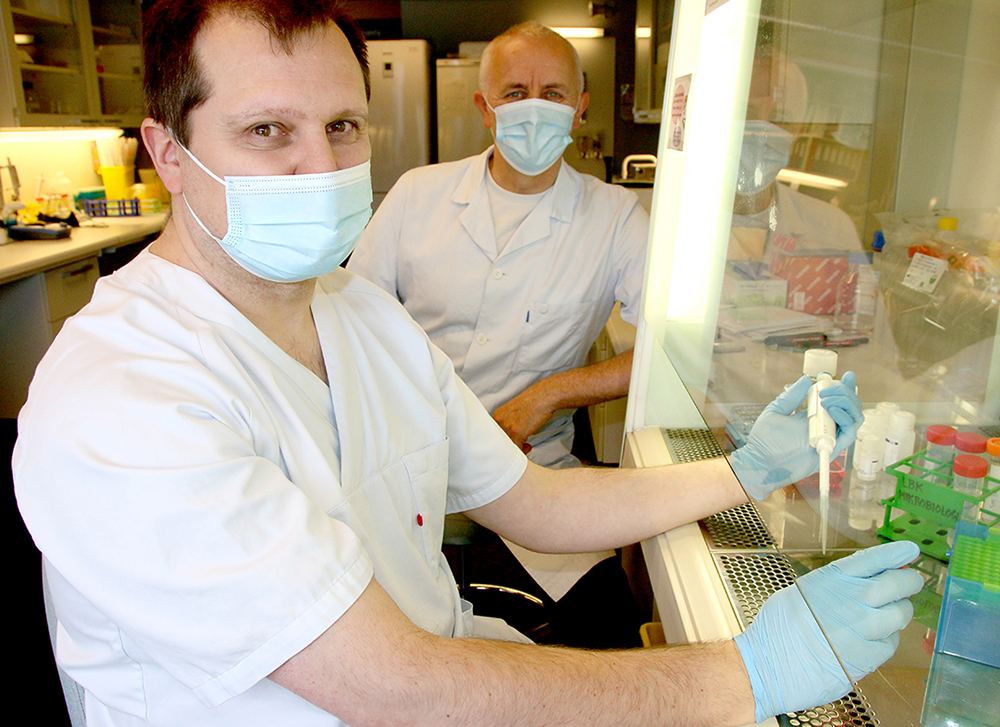
An NTNU research team has been working hard to figure out the answer to this very question for the past six months.
Many patients treated with malaria medicine died
“During the coronavirus outbreak, a lot of people thought that malaria medicine might work. It took time to show that it wasn’t effective, and many patients died. Our solution can immediately determine which medicine will work or not,” says Denis Kainov, a professor of medicine at NTNU.
The solution is simply to reuse and redesign active ingredients that are currently used against various illnesses like cancer or HIV.
Researchers have looked at more than 11 000 active ingredients to find the medicinal mix that has the greatest potential to work. The researchers have incorporated information about the active ingredients into a digital system and created an algorithm that can pick out the best ones.
The digital system is openly available online. The solution can save millions of euros, more lives and help us avoid societal shutdowns.
But first a little background on what we are actually facing.
Viruses have a big head start
“We don’t have medicines for 200 viral diseases that can spread in humans,” says Kainov.
In other words, we have no medication that can prevent the viruses from multiplying when they start to spread. Developing vaccines for a virus that has not yet spread in humans isn’t possible since viruses are constantly mutating. Read More…