"Paintings on Paper": An Intimate New Rothko Exhibition Opens at Oslo's National Museum
-
 Loading...
 - Murray Barnes
- 03 Jul 2024
- 73 Views
- 0 Like
- 0 Comment
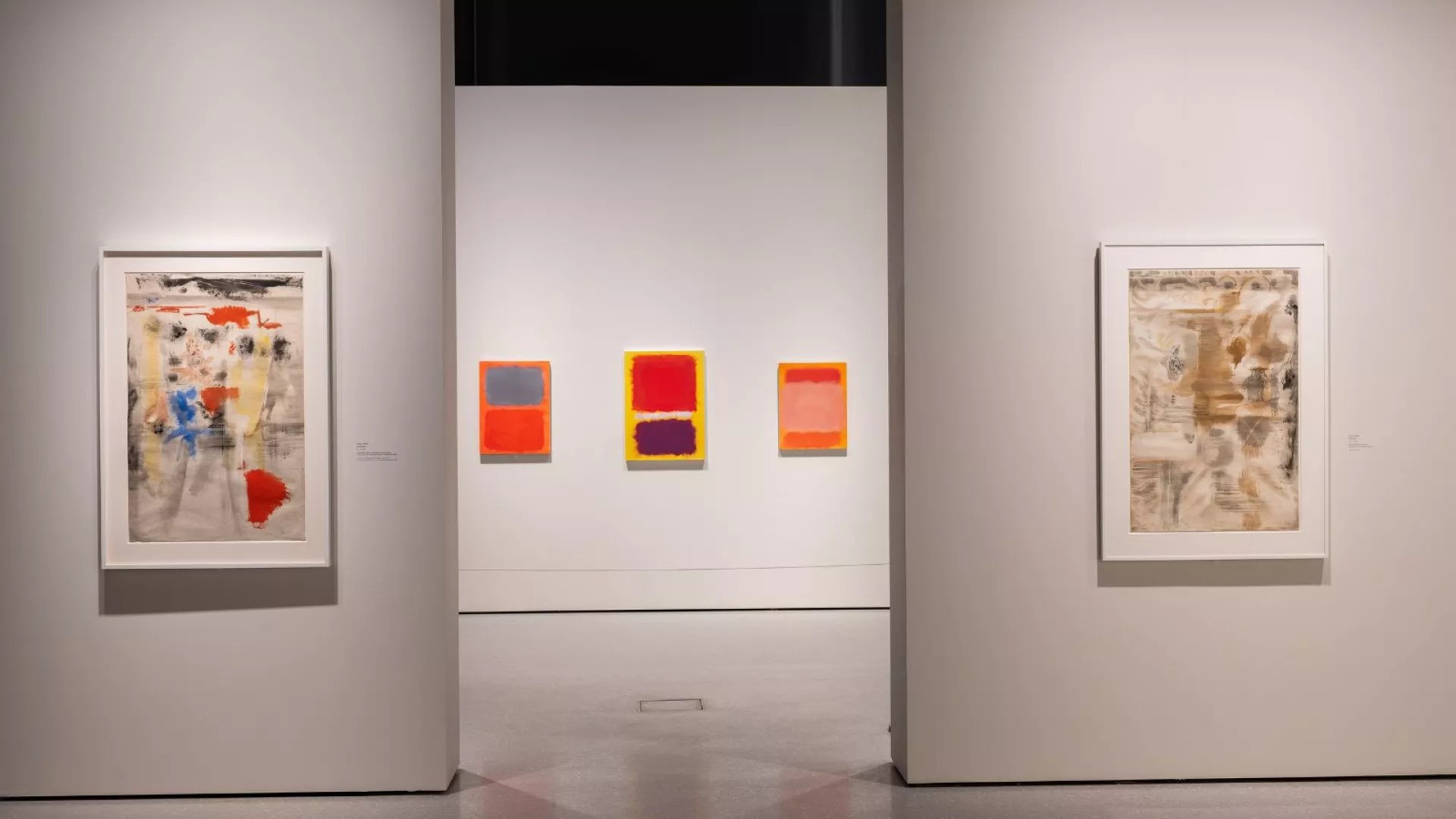
While Mark Rothko is best known for his large-scale rectangular color fields, a new exhibition in Oslo highlights his more than 1,000 paintings on paper. This exhibition provides an intimate look at Rothko's artistic journey, revealing lesser-known aspects of his work and personal life.
Why Rothko Resonates
In troubled times, Rothko's art offers a respite. His iconic color fields, with their vibrant empty spaces layered with texture, allow viewers' feelings to meander in oddly reassuring ways. Perhaps this is why Rothko is experiencing a resurgence in Europe.
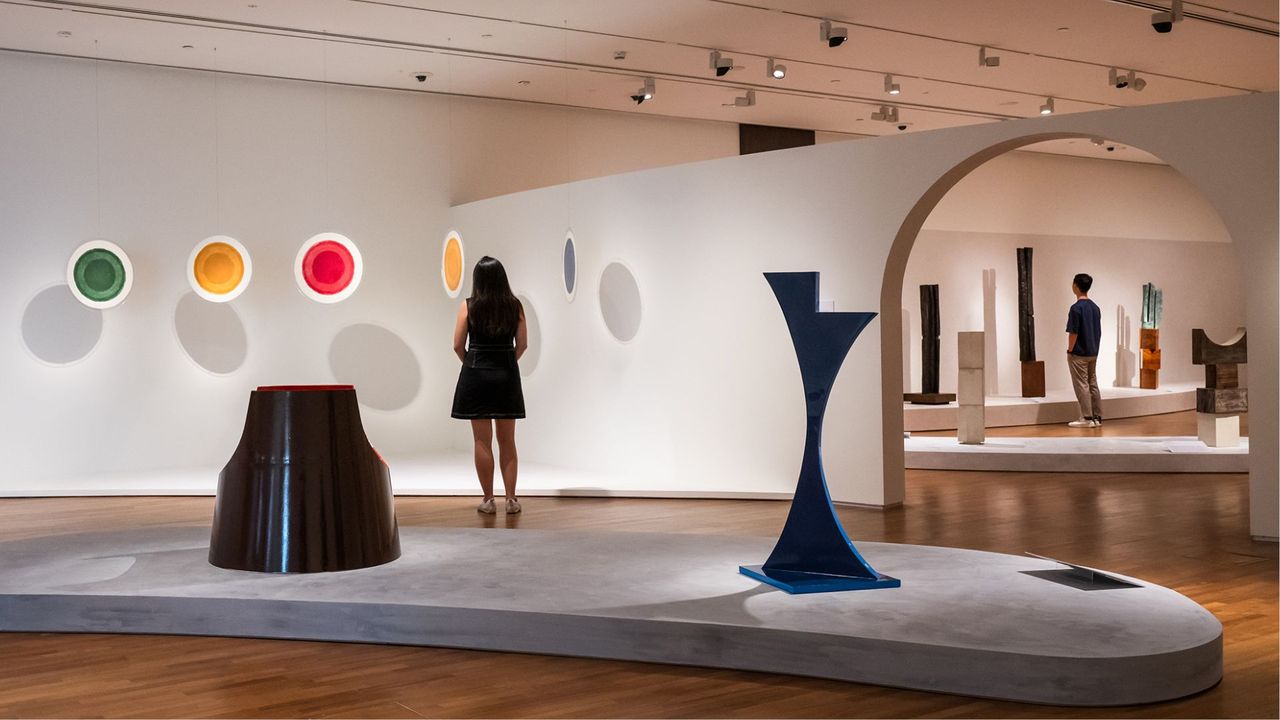
Following the Louis Vuitton Foundation's retrospective in France last year, the National Museum in Oslo hosted an exhibition dedicated to Rothko's works on paper. This exhibition traces Rothko's journey from his early works to his prolific final years, offering a deeper understanding of the artist.
Rothko's Background and Artistic Evolution
Rothko, from a Jewish family, experienced persecution and later alienation after emigrating from Latvia to the United States. These experiences, along with witnessing the Holocaust from afar, deeply influenced his work. Curator Øystein Ustvedt notes that Rothko's abstract paintings are charged with emotions like grief and tragedy, making them expressively beautiful.
Rothko's Prolific Output on Paper
Best known for his large-scale canvases, Rothko also created nearly a thousand paintings on paper throughout his life. These smaller works are rich in emotion and ambiance. The National Museum, in collaboration with the National Gallery of Art in Washington, D.C., highlights this aspect of his oeuvre.
After a near-fatal heart attack in 1968, Rothko's doctors advised him to reduce stress and avoid painting large canvases. He turned to paper, leading to one of the most productive periods of his life. The smaller surface area allowed him to work more quickly, completing nearly 120 paintings on paper by the end of 1968.
Emotional Depth and Variety
Rothko's later works on paper, characterized by deep, dark hues of brown, grey, purple, and blue, have often been linked to his declining mental health and eventual suicide in 1970. However, the exhibition also showcases lighter works from this period, including pastels in soft pinks and blues, highlighting the complexity of human emotion.
Curator Karianne Ommundsen emphasizes that Rothko's art aims to create spaces for personal emotions to drift and connect. His works require time to be fully appreciated, evoking powerful emotions and a sense of affinity.
Rothko's Beginnings with Watercolor
Paper was integral to Rothko's early career as well, with private, figurative watercolors offering a personal perspective on his creative evolution. These early pieces, ranging from simplistic to surreal, provide insight into Rothko's attempts to find his place in the New York art scene.
A notable 1938 watercolor depicts a person transfixed by a portrait of a blue-skinned, pink-haired being. This painting within a painting suggests the transformative relationship between art and viewer, echoing Rothko's belief that "a painting is not a picture of an experience; it is an experience."
The exhibition at Oslo's National Museum enhances the experience of Rothko's art through the personal elements of his paper works, tracing his career without detracting from the core goals of his most famous pieces. Standing before Rothko's blazing rectangles, viewers are reminded of the power found in simply feeling something.