Home Upload Photo Upload Videos Write a Blog Analytics Messaging Streaming Create Adverts Creators Program
Bebuzee Afghanistan Bebuzee Albania Bebuzee Algeria Bebuzee Andorra Bebuzee Angola Bebuzee Antigua and Barbuda Bebuzee Argentina Bebuzee Armenia Bebuzee Australia Bebuzee Austria Bebuzee Azerbaijan Bebuzee Bahamas Bebuzee Bahrain Bebuzee Bangladesh Bebuzee Barbados Bebuzee Belarus Bebuzee Belgium Bebuzee Belize Bebuzee Benin Bebuzee Bhutan Bebuzee Bolivia Bebuzee Bosnia and Herzegovina Bebuzee Botswana Bebuzee Brazil Bebuzee Brunei Bebuzee Bulgaria Bebuzee Burkina Faso Bebuzee Burundi Bebuzee Cabo Verde Bebuzee Cambodia Bebuzee Cameroon Bebuzee Canada Bebuzee Central African Republic Bebuzee Chad Bebuzee Chile Bebuzee China Bebuzee Colombia Bebuzee Comoros Bebuzee Costa Rica Bebuzee Côte d'Ivoire Bebuzee Croatia Bebuzee Cuba Bebuzee Cyprus Bebuzee Czech Republic Bebuzee Democratic Republic of the Congo Bebuzee Denmark Bebuzee Djibouti Bebuzee Dominica Bebuzee Dominican Republic Bebuzee Ecuador Bebuzee Egypt Bebuzee El Salvador Bebuzee Equatorial Guinea Bebuzee Eritrea Bebuzee Estonia Bebuzee Eswatini Bebuzee Ethiopia Bebuzee Fiji Bebuzee Finland Bebuzee France Bebuzee Gabon Bebuzee Gambia Bebuzee Georgia Bebuzee Germany Bebuzee Ghana Bebuzee Greece Bebuzee Grenada Bebuzee Guatemala Bebuzee Guinea Bebuzee Guinea-Bissau Bebuzee Guyana Bebuzee Haiti Bebuzee Honduras Bebuzee Hong Kong Bebuzee Hungary Bebuzee Iceland Bebuzee India Bebuzee Indonesia Bebuzee Iran Bebuzee Iraq Bebuzee Ireland Bebuzee Israel Bebuzee Italy Bebuzee Jamaica Bebuzee Japan Bebuzee Jordan Bebuzee Kazakhstan Bebuzee Kenya Bebuzee Kiribati Bebuzee Kuwait Bebuzee Kyrgyzstan Bebuzee Laos Bebuzee Latvia Bebuzee Lebanon Bebuzee Lesotho Bebuzee Liberia Bebuzee Libya Bebuzee Liechtenstein Bebuzee Lithuania Bebuzee Luxembourg Bebuzee Madagascar Bebuzee Malawi Bebuzee Malaysia Bebuzee Maldives Bebuzee Mali Bebuzee Malta Bebuzee Marshall Islands Bebuzee Mauritania Bebuzee Mauritius Bebuzee Mexico Bebuzee Micronesia Bebuzee Moldova Bebuzee Monaco Bebuzee Mongolia Bebuzee Montenegro Bebuzee Morocco Bebuzee Mozambique Bebuzee Myanmar Bebuzee Namibia Bebuzee Nauru Bebuzee Nepal Bebuzee Netherlands Bebuzee New Zealand Bebuzee Nicaragua Bebuzee Niger Bebuzee Nigeria Bebuzee North Korea Bebuzee North Macedonia Bebuzee Norway Bebuzee Oman Bebuzee Pakistan Bebuzee Palau Bebuzee Panama Bebuzee Papua New Guinea Bebuzee Paraguay Bebuzee Peru Bebuzee Philippines Bebuzee Poland Bebuzee Portugal Bebuzee Qatar Bebuzee Republic of the Congo Bebuzee Romania Bebuzee Russia Bebuzee Rwanda Bebuzee Saint Kitts and Nevis Bebuzee Saint Lucia Bebuzee Saint Vincent and the Grenadines Bebuzee Samoa Bebuzee San Marino Bebuzee São Tomé and Príncipe Bebuzee Saudi Arabia Bebuzee Senegal Bebuzee Serbia Bebuzee Seychelles Bebuzee Sierra Leone Bebuzee Singapore Bebuzee Slovakia Bebuzee Slovenia Bebuzee Solomon Islands Bebuzee Somalia Bebuzee South Africa Bebuzee South Korea Bebuzee South Sudan Bebuzee Spain Bebuzee Sri Lanka Bebuzee Sudan Bebuzee Suriname Bebuzee Sweden Bebuzee Switzerland Bebuzee Syria Bebuzee Taiwan Bebuzee Tajikistan Bebuzee Tanzania Bebuzee Thailand Bebuzee Timor-Leste Bebuzee Togo Bebuzee Tonga Bebuzee Trinidad and Tobago Bebuzee Tunisia Bebuzee Turkey Bebuzee Turkmenistan Bebuzee Tuvalu Bebuzee Uganda Bebuzee Ukraine Bebuzee United Arab Emirates Bebuzee United Kingdom Bebuzee Uruguay Bebuzee Uzbekistan Bebuzee Vanuatu Bebuzee Venezuela Bebuzee Vietnam Bebuzee World Wide Bebuzee Yemen Bebuzee Zambia Bebuzee Zimbabwe
Blog Image

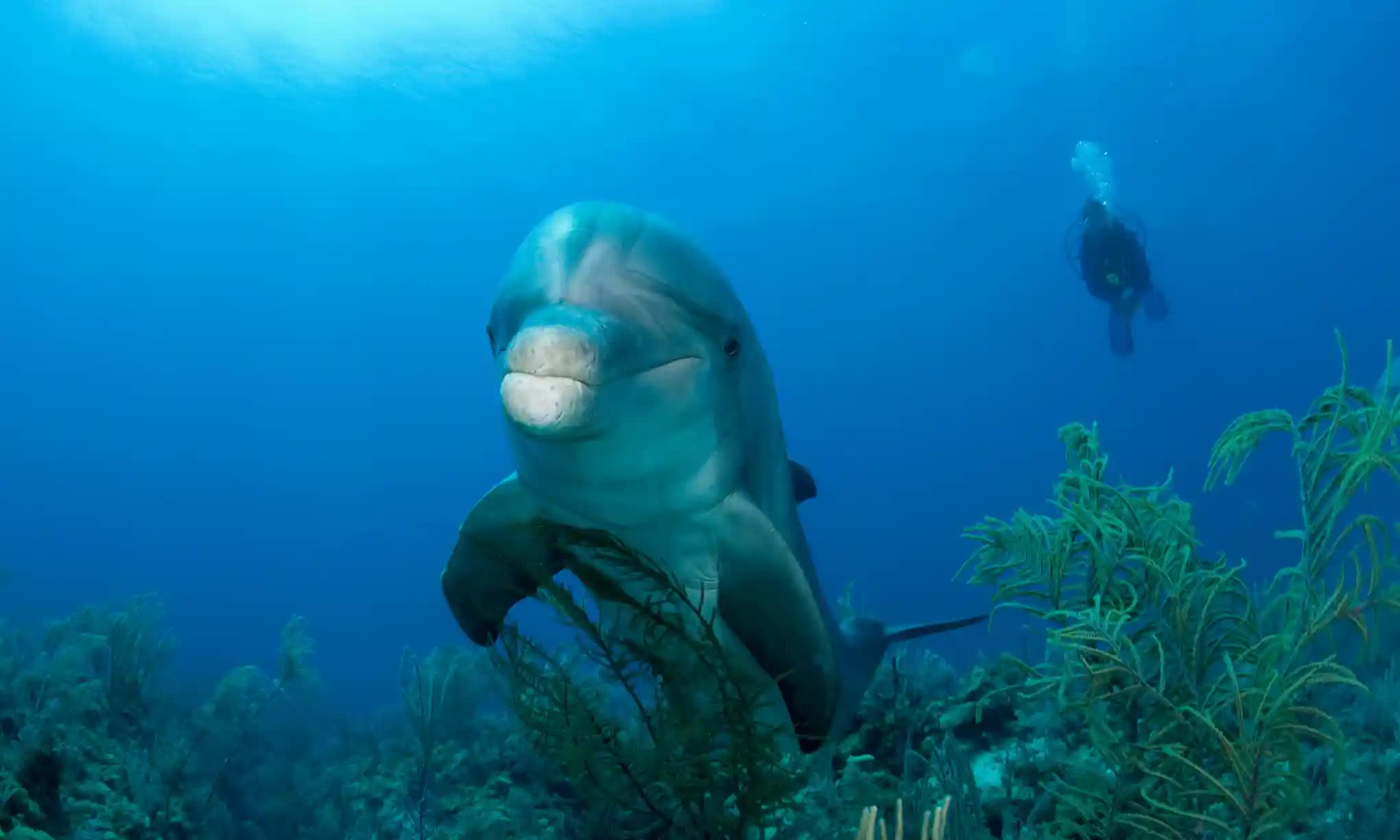
Pharmacy in the sea: Dolphins ‘use coral as medicine for skin ailments'

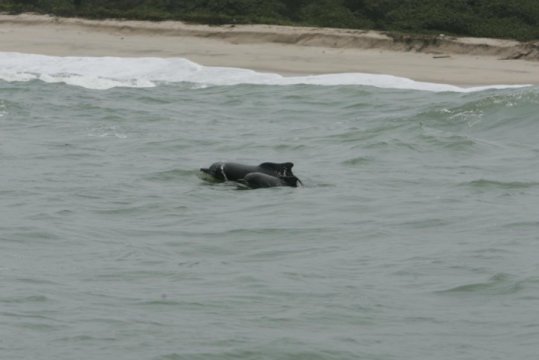
Who doesn’t like a bath scrub? Dolphins definitely do: they are known for being clever, playful, tactile animals, and they like to rub against rough surfaces, nap in coral beds and soak on sponges like guests at an underwater spa.

However, dolphins may be getting more from their bath scrubs than just relaxation and leisure. A study published today suggests that bottlenose dolphins may be self-medicating their skin ailments with the help of corals, adding to growing research on their previously unexplored medicinal properties.

“It’s very intensive,” said Angela Ziltener, one of the study’s lead authors, of the behaviour of the dolphins with particular corals. “They don’t just go through [the coral] – they go up, they come back down again and they rub their belly, their ventral area and the back.”
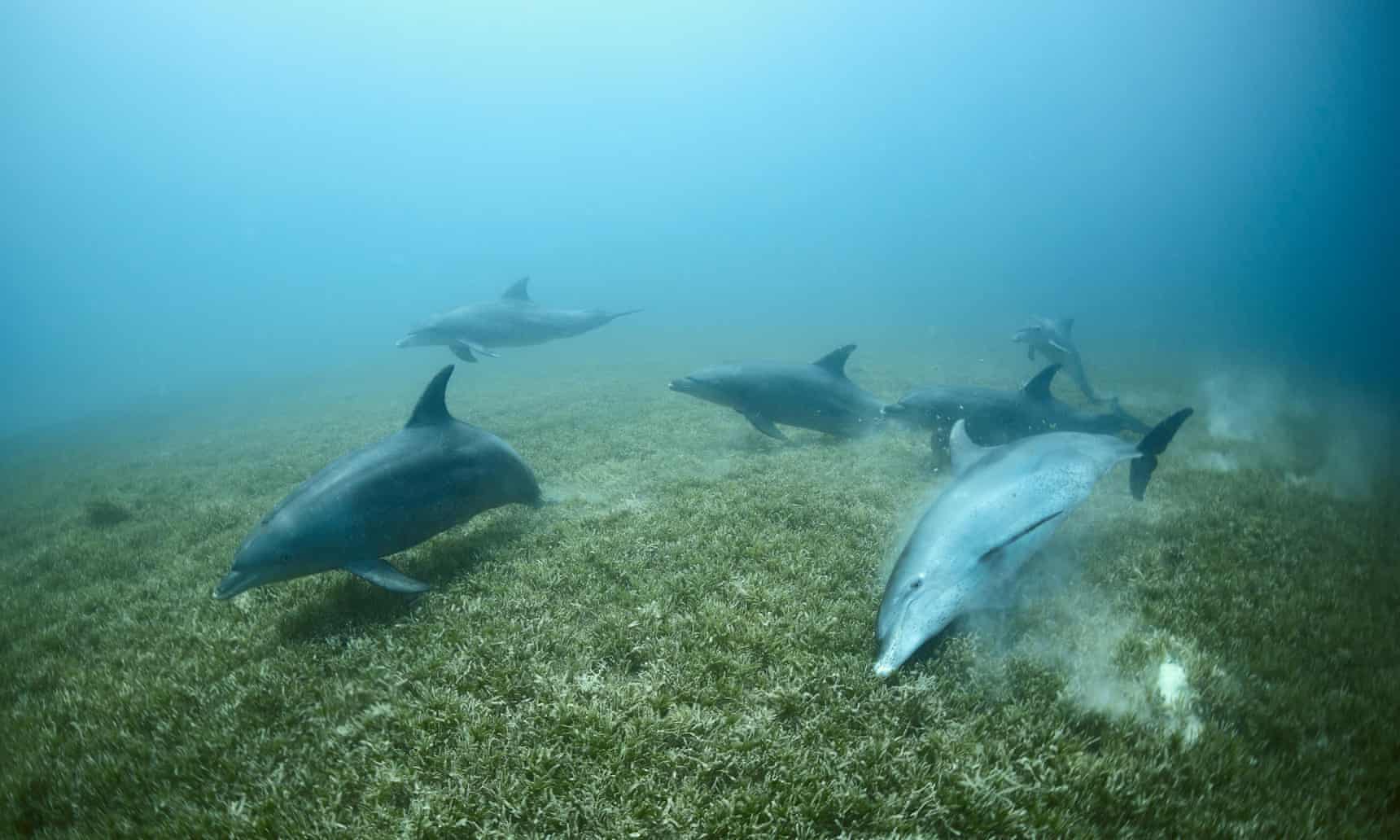

Dolphins have thick, smooth and resilient skin, but can be prone to skin conditions such as yeast and bacterial infections, scars or tattoo-like lesions caused by viral pox infections. These ailments seem to be exacerbated by global heating.

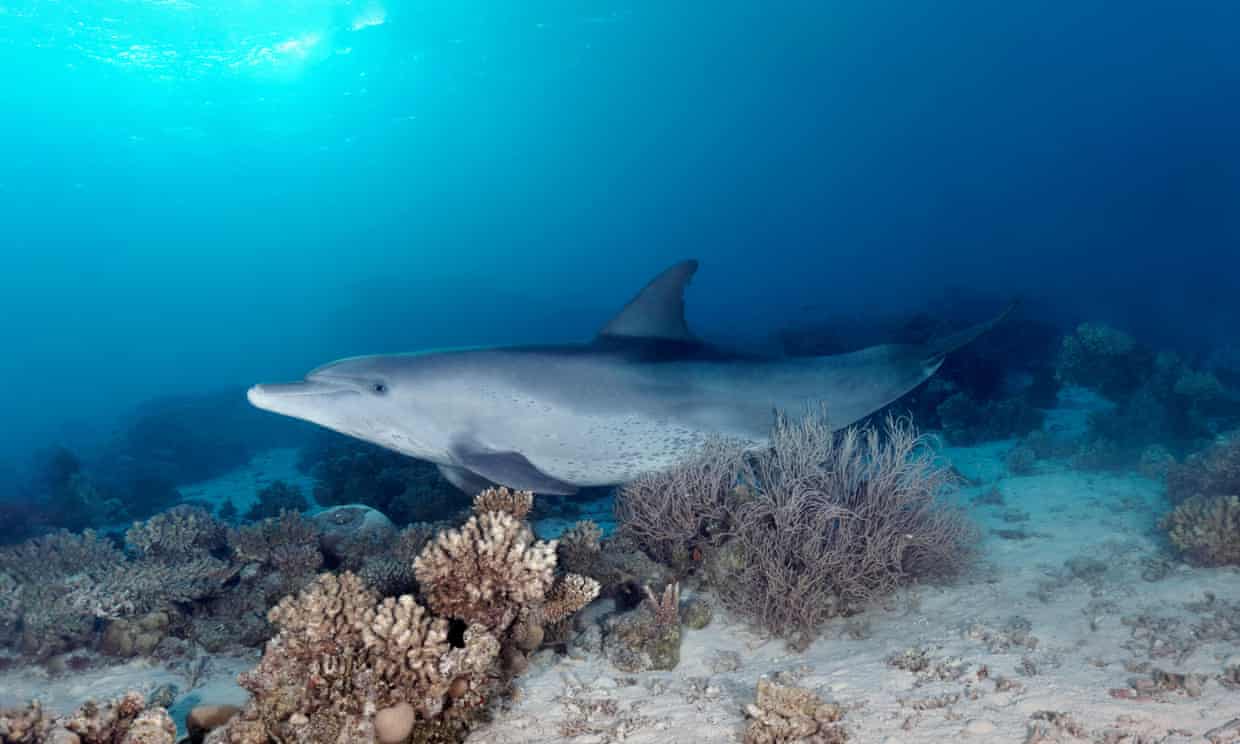
Ziltener, a wildlife biologist at the University of Zurich, Switzerland, and her team have been surveying a community of 360 Indo-Pacific bottlenose dolphins (Tursiops aduncus) in the northern Red Sea since 2009. They observed that the dolphins often queued up nose-to-tail to rub themselves against corals as soon as they woke up and right before they went to sleep, as if they were showering for the day. As well as a mechanical rub, the dolphins also caused the corals to release a polyp mucus.

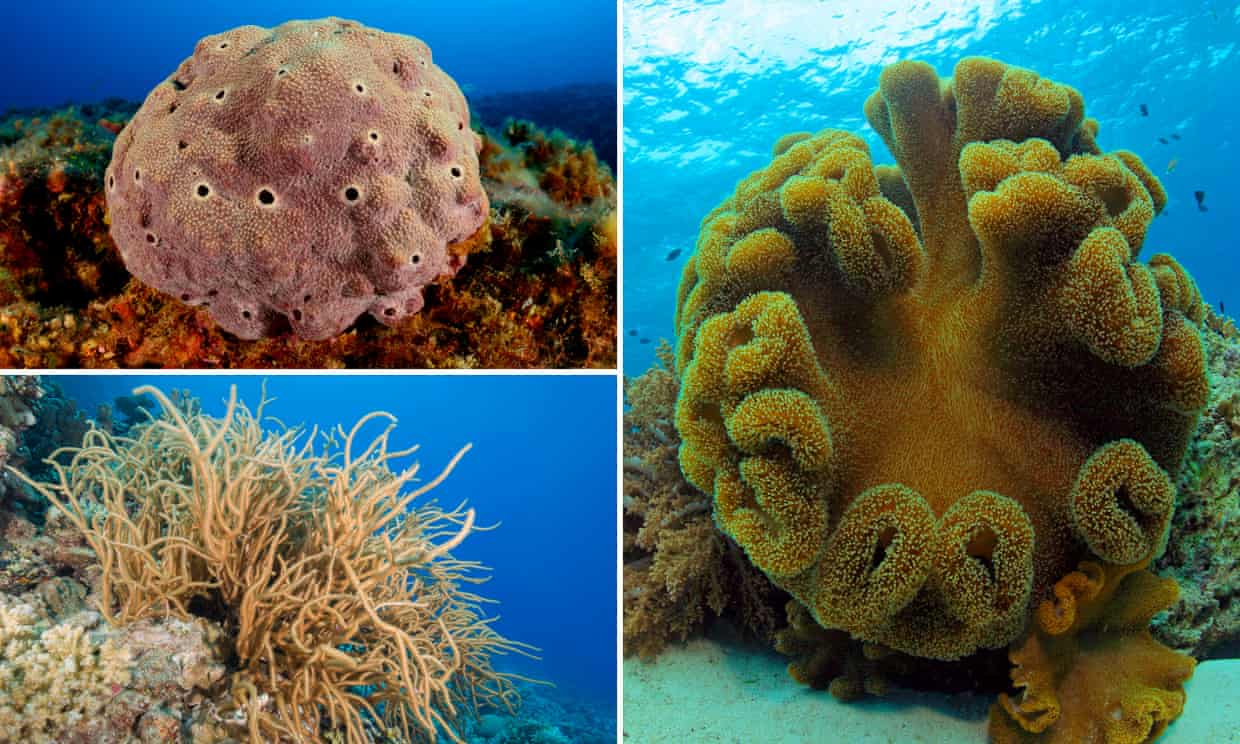
The team also noticed that the dolphins returned to the same coral species, and appeared to be meticulous in choosing which parts of their body to rub. They ran lab tests on 48 samples of corals, sponges and coral mucus “chosen” by the dolphins, including the gorgonian coral Rumphella aggregata, the leather coral Sarcophyton sp. and the sponge Ircinia sp.

The results, published in the journal iScience, revealed at least 17 different bioactive metabolites with antibacterial, antioxidative and oestrogen-like hormonal properties, all of which could be useful in skin treatments.

The compounds are not commonly used in antibiotics for humans or animals, but an expanding body of research shows that some corals and sponges have medicinal properties, including antimicrobial.

“Such metabolites are helpful if you have an infection,” said Gertrud Morlock, an analytical chemist at Justus Liebig University Giessen in Germany, and a lead author of the study. “If the dolphins have a skin infection, these compounds could have something like a healing property.

“If you think about it, they have no other options. If they have a problem with the skin, what can they do?”

The authors note that further research is needed to show which coral’s medicinal properties the dolphins need to treat given ailments, and whether these properties have a measurable, positive impact on the cetaceans’ health. Read More...


Previous Post

This ‘super reserve' is not just for the birds. It could change the landscape of Britain

Next Post

Tropical rainforests dying at twice the rate from drier, hotter conditions, study finds

Comments