Home Upload Photo Upload Videos Write a Blog Analytics Messaging Streaming Create Adverts Creators Program
Bebuzee Afghanistan Bebuzee Albania Bebuzee Algeria Bebuzee Andorra Bebuzee Angola Bebuzee Antigua and Barbuda Bebuzee Argentina Bebuzee Armenia Bebuzee Australia Bebuzee Austria Bebuzee Azerbaijan Bebuzee Bahamas Bebuzee Bahrain Bebuzee Bangladesh Bebuzee Barbados Bebuzee Belarus Bebuzee Belgium Bebuzee Belize Bebuzee Benin Bebuzee Bhutan Bebuzee Bolivia Bebuzee Bosnia and Herzegovina Bebuzee Botswana Bebuzee Brazil Bebuzee Brunei Bebuzee Bulgaria Bebuzee Burkina Faso Bebuzee Burundi Bebuzee Cabo Verde Bebuzee Cambodia Bebuzee Cameroon Bebuzee Canada Bebuzee Central African Republic Bebuzee Chad Bebuzee Chile Bebuzee China Bebuzee Colombia Bebuzee Comoros Bebuzee Costa Rica Bebuzee Côte d'Ivoire Bebuzee Croatia Bebuzee Cuba Bebuzee Cyprus Bebuzee Czech Republic Bebuzee Democratic Republic of the Congo Bebuzee Denmark Bebuzee Djibouti Bebuzee Dominica Bebuzee Dominican Republic Bebuzee Ecuador Bebuzee Egypt Bebuzee El Salvador Bebuzee Equatorial Guinea Bebuzee Eritrea Bebuzee Estonia Bebuzee Eswatini Bebuzee Ethiopia Bebuzee Fiji Bebuzee Finland Bebuzee France Bebuzee Gabon Bebuzee Gambia Bebuzee Georgia Bebuzee Germany Bebuzee Ghana Bebuzee Greece Bebuzee Grenada Bebuzee Guatemala Bebuzee Guinea Bebuzee Guinea-Bissau Bebuzee Guyana Bebuzee Haiti Bebuzee Honduras Bebuzee Hong Kong Bebuzee Hungary Bebuzee Iceland Bebuzee India Bebuzee Indonesia Bebuzee Iran Bebuzee Iraq Bebuzee Ireland Bebuzee Israel Bebuzee Italy Bebuzee Jamaica Bebuzee Japan Bebuzee Jordan Bebuzee Kazakhstan Bebuzee Kenya Bebuzee Kiribati Bebuzee Kuwait Bebuzee Kyrgyzstan Bebuzee Laos Bebuzee Latvia Bebuzee Lebanon Bebuzee Lesotho Bebuzee Liberia Bebuzee Libya Bebuzee Liechtenstein Bebuzee Lithuania Bebuzee Luxembourg Bebuzee Madagascar Bebuzee Malawi Bebuzee Malaysia Bebuzee Maldives Bebuzee Mali Bebuzee Malta Bebuzee Marshall Islands Bebuzee Mauritania Bebuzee Mauritius Bebuzee Mexico Bebuzee Micronesia Bebuzee Moldova Bebuzee Monaco Bebuzee Mongolia Bebuzee Montenegro Bebuzee Morocco Bebuzee Mozambique Bebuzee Myanmar Bebuzee Namibia Bebuzee Nauru Bebuzee Nepal Bebuzee Netherlands Bebuzee New Zealand Bebuzee Nicaragua Bebuzee Niger Bebuzee Nigeria Bebuzee North Korea Bebuzee North Macedonia Bebuzee Norway Bebuzee Oman Bebuzee Pakistan Bebuzee Palau Bebuzee Panama Bebuzee Papua New Guinea Bebuzee Paraguay Bebuzee Peru Bebuzee Philippines Bebuzee Poland Bebuzee Portugal Bebuzee Qatar Bebuzee Republic of the Congo Bebuzee Romania Bebuzee Russia Bebuzee Rwanda Bebuzee Saint Kitts and Nevis Bebuzee Saint Lucia Bebuzee Saint Vincent and the Grenadines Bebuzee Samoa Bebuzee San Marino Bebuzee São Tomé and Príncipe Bebuzee Saudi Arabia Bebuzee Senegal Bebuzee Serbia Bebuzee Seychelles Bebuzee Sierra Leone Bebuzee Singapore Bebuzee Slovakia Bebuzee Slovenia Bebuzee Solomon Islands Bebuzee Somalia Bebuzee South Africa Bebuzee South Korea Bebuzee South Sudan Bebuzee Spain Bebuzee Sri Lanka Bebuzee Sudan Bebuzee Suriname Bebuzee Sweden Bebuzee Switzerland Bebuzee Syria Bebuzee Taiwan Bebuzee Tajikistan Bebuzee Tanzania Bebuzee Thailand Bebuzee Timor-Leste Bebuzee Togo Bebuzee Tonga Bebuzee Trinidad and Tobago Bebuzee Tunisia Bebuzee Turkey Bebuzee Turkmenistan Bebuzee Tuvalu Bebuzee Uganda Bebuzee Ukraine Bebuzee United Arab Emirates Bebuzee United Kingdom Bebuzee Uruguay Bebuzee Uzbekistan Bebuzee Vanuatu Bebuzee Venezuela Bebuzee Vietnam Bebuzee World Wide Bebuzee Yemen Bebuzee Zambia Bebuzee Zimbabwe
Blog Image

Tropical rainforests dying at twice the rate from drier, hotter conditions, study finds

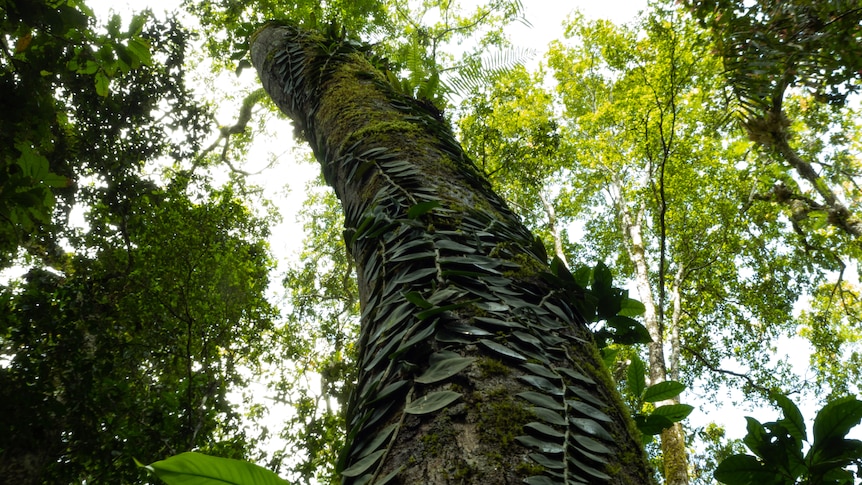
One of the longest-running scientific studies of tropical forests has revealed rainforest trees are dying twice as fast as they were in the 1970s.

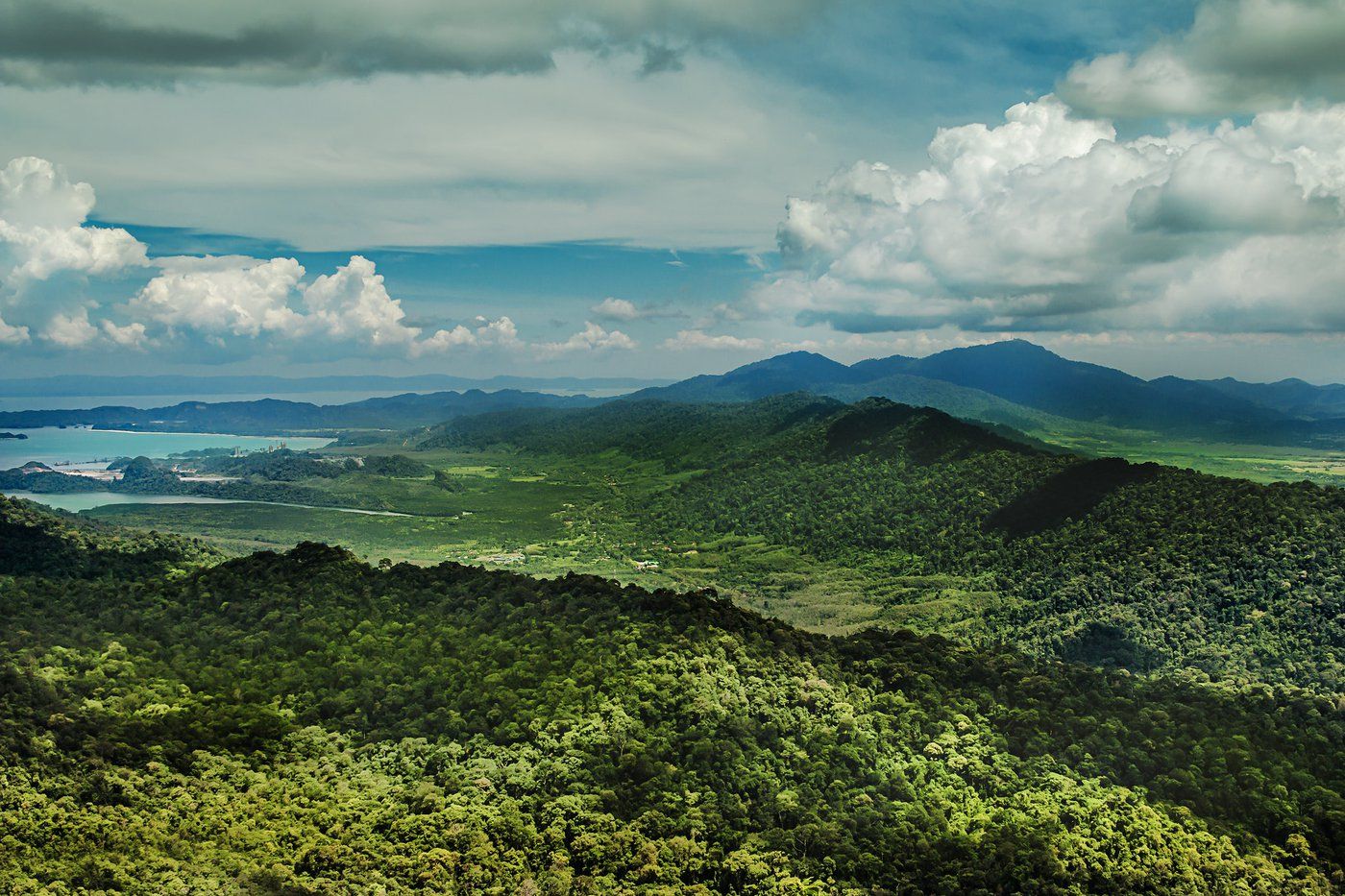
The paper, published in Nature, looked at hundreds of trees in plots across the Australian wet tropics.

From 1971 to 2019, researchers measured every plant in the plots greater than 10 centimetres in diameter, every two to five years.

Co-author, and Professor of Tropical Ecology at James Cook University, Susan Laurance said the data showed mortality rates started to increase in the 1980s.

She said they compared it with local climate conditions and found decreases in air moisture and rising temperatures were likely to be the main culprits, driven by climate change.

"It's always really hard to identify very specific climate signals, but by far the most likely response is going to be the increase in what we call vapour pressure deficit, or the power of the air to dry a surface," Professor Laurance said.

"Basically, a combination between how much moisture the atmosphere can hold, and then the temperature of the air.

University of Technology Sydney Professor Alfredo Huete, who has also done extensive research on vegetation health and climate change, said it was extremely rare to see a study like this over such a long timescale.


He said the increase in mortality shown in the data was "significant" and "powerful".

"You don't find 50-year data sets, anywhere … who would have thought that there might be issues with climate change and things like that 50 years back?" Professor Huete said.

He said even gaining consistent access to a variety of sites like these over decades was rare.

What does it mean?

Even with the mortality only increasing from about 1 per cent to 2 per cent, Professor Laurance said the deaths could still have a big impact.

"If you've got an increase in mortality, it means that the trees aren't living longer, and it means they're not sequestering all that carbon that we rely on," she said.

She said it could also mean a change in the composition of plants in rainforests, with more "pioneer" species taking over where older trees had died.

"Rather than sort of those later, mature phase rain forest species, which actually make up most of the tree diversity," Professor Laurance said.

"It's just a general increase in the turnover rates of trees, rather than being them being long lived and stable."


Professor Laurance said there could also be impacts on animal diversity in tropical rainforests.

"What we think of old growth rainforest species, they generally have really large seeds," she said.

"They produce a lot of fruit. They're a really important food source for vertebrate species.

"If there's an increase in other types of species, which don't tend to produce that sort of fruit, then we would expect kind of more probably less fruit production overall.

"The implications are less food supply, so there should be less abundance of animals."

Professor Huete said it was further evidence of the chronic stress ecosystems are under, and the interaction with extreme weather events.

"When you compound any type of event, whether it's extreme or just a drought, or heat, it's going to yield different results when you subject a forest that's been subjected to long-term increases in the vapour pressure deficit versus a different area that may not have that," he said.

"It's sort of like saying that being a chronic smoker, or being subjected to air pollution all your life, is going to make you more vulnerable to any particular extreme or any kind of stress event." Read More...


Previous Post

Pharmacy in the sea: Dolphins ‘use coral as medicine for skin ailments'

Next Post

Whale mums and calves whisper, hide from predators off Great Australian Bight, researchers say

Comments