Home Upload Photo Upload Videos Write a Blog Analytics Messaging Streaming Create Adverts Creators Program
Bebuzee Afghanistan Bebuzee Albania Bebuzee Algeria Bebuzee Andorra Bebuzee Angola Bebuzee Antigua and Barbuda Bebuzee Argentina Bebuzee Armenia Bebuzee Australia Bebuzee Austria Bebuzee Azerbaijan Bebuzee Bahamas Bebuzee Bahrain Bebuzee Bangladesh Bebuzee Barbados Bebuzee Belarus Bebuzee Belgium Bebuzee Belize Bebuzee Benin Bebuzee Bhutan Bebuzee Bolivia Bebuzee Bosnia and Herzegovina Bebuzee Botswana Bebuzee Brazil Bebuzee Brunei Bebuzee Bulgaria Bebuzee Burkina Faso Bebuzee Burundi Bebuzee Cabo Verde Bebuzee Cambodia Bebuzee Cameroon Bebuzee Canada Bebuzee Central African Republic Bebuzee Chad Bebuzee Chile Bebuzee China Bebuzee Colombia Bebuzee Comoros Bebuzee Costa Rica Bebuzee Côte d'Ivoire Bebuzee Croatia Bebuzee Cuba Bebuzee Cyprus Bebuzee Czech Republic Bebuzee Democratic Republic of the Congo Bebuzee Denmark Bebuzee Djibouti Bebuzee Dominica Bebuzee Dominican Republic Bebuzee Ecuador Bebuzee Egypt Bebuzee El Salvador Bebuzee Equatorial Guinea Bebuzee Eritrea Bebuzee Estonia Bebuzee Eswatini Bebuzee Ethiopia Bebuzee Fiji Bebuzee Finland Bebuzee France Bebuzee Gabon Bebuzee Gambia Bebuzee Georgia Bebuzee Germany Bebuzee Ghana Bebuzee Greece Bebuzee Grenada Bebuzee Guatemala Bebuzee Guinea Bebuzee Guinea-Bissau Bebuzee Guyana Bebuzee Haiti Bebuzee Honduras Bebuzee Hong Kong Bebuzee Hungary Bebuzee Iceland Bebuzee India Bebuzee Indonesia Bebuzee Iran Bebuzee Iraq Bebuzee Ireland Bebuzee Israel Bebuzee Italy Bebuzee Jamaica Bebuzee Japan Bebuzee Jordan Bebuzee Kazakhstan Bebuzee Kenya Bebuzee Kiribati Bebuzee Kuwait Bebuzee Kyrgyzstan Bebuzee Laos Bebuzee Latvia Bebuzee Lebanon Bebuzee Lesotho Bebuzee Liberia Bebuzee Libya Bebuzee Liechtenstein Bebuzee Lithuania Bebuzee Luxembourg Bebuzee Madagascar Bebuzee Malawi Bebuzee Malaysia Bebuzee Maldives Bebuzee Mali Bebuzee Malta Bebuzee Marshall Islands Bebuzee Mauritania Bebuzee Mauritius Bebuzee Mexico Bebuzee Micronesia Bebuzee Moldova Bebuzee Monaco Bebuzee Mongolia Bebuzee Montenegro Bebuzee Morocco Bebuzee Mozambique Bebuzee Myanmar Bebuzee Namibia Bebuzee Nauru Bebuzee Nepal Bebuzee Netherlands Bebuzee New Zealand Bebuzee Nicaragua Bebuzee Niger Bebuzee Nigeria Bebuzee North Korea Bebuzee North Macedonia Bebuzee Norway Bebuzee Oman Bebuzee Pakistan Bebuzee Palau Bebuzee Panama Bebuzee Papua New Guinea Bebuzee Paraguay Bebuzee Peru Bebuzee Philippines Bebuzee Poland Bebuzee Portugal Bebuzee Qatar Bebuzee Republic of the Congo Bebuzee Romania Bebuzee Russia Bebuzee Rwanda Bebuzee Saint Kitts and Nevis Bebuzee Saint Lucia Bebuzee Saint Vincent and the Grenadines Bebuzee Samoa Bebuzee San Marino Bebuzee São Tomé and Príncipe Bebuzee Saudi Arabia Bebuzee Senegal Bebuzee Serbia Bebuzee Seychelles Bebuzee Sierra Leone Bebuzee Singapore Bebuzee Slovakia Bebuzee Slovenia Bebuzee Solomon Islands Bebuzee Somalia Bebuzee South Africa Bebuzee South Korea Bebuzee South Sudan Bebuzee Spain Bebuzee Sri Lanka Bebuzee Sudan Bebuzee Suriname Bebuzee Sweden Bebuzee Switzerland Bebuzee Syria Bebuzee Taiwan Bebuzee Tajikistan Bebuzee Tanzania Bebuzee Thailand Bebuzee Timor-Leste Bebuzee Togo Bebuzee Tonga Bebuzee Trinidad and Tobago Bebuzee Tunisia Bebuzee Turkey Bebuzee Turkmenistan Bebuzee Tuvalu Bebuzee Uganda Bebuzee Ukraine Bebuzee United Arab Emirates Bebuzee United Kingdom Bebuzee Uruguay Bebuzee Uzbekistan Bebuzee Vanuatu Bebuzee Venezuela Bebuzee Vietnam Bebuzee World Wide Bebuzee Yemen Bebuzee Zambia Bebuzee Zimbabwe
Blog Image

Philoxenia: The Roots of Greek Hospitality

The Roots of Greek Hospitality

The ancient Greek value of hospitality, which ranked at or near the top of the list of virtues and still lives on today in modern Greece, is “philoxenia”. Translated from Greek, philoxenia literally means “friend to a stranger.”

The roots of philoxenia live deep in the heart of every Greek person, and this ancient concept and way of life which ancient Greeks practiced brings millions of visitors back to Greece every year.

There is much more to philoxenia than than mere “hospitality.” Over the millennia the Greek generosity of spirit has become a cultural norm that is deeply embedded in every person in the nation. For Greeks, it is about sharing their lives with others — such as inviting new acquaintances into your home for a spitiko (home-cooked) meal.

Even today, it’s not uncommon for villagers to stop by a residence where a foreigner is staying and give them local food, such as tomatoes, cheese, spinach pies, or olive oil — and sometimes, all of the above! It’s not done for selfish reasons, or for self-gratification. Greeks genuinely want to share their culture and customs with foreigners.

Zeus and philoxenia

In order to understand the concept of philoxenia, you need to first uncover the enchanting story of how this cultural norm came to be, thousands of years ago in ancient Greece.

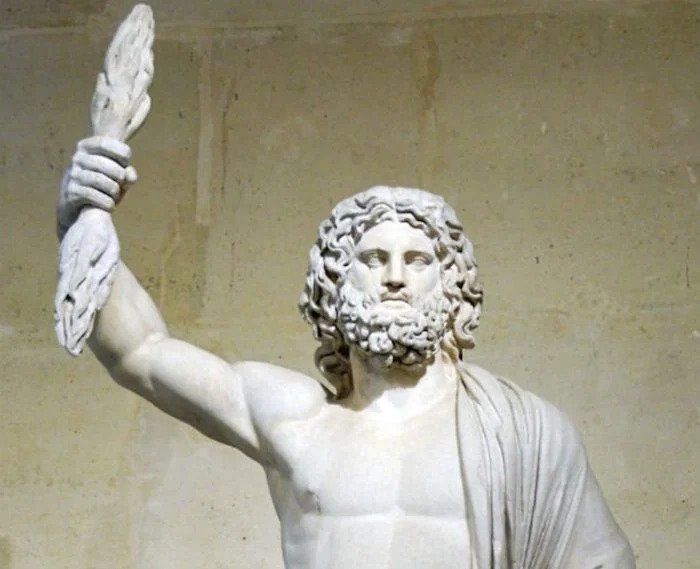
We must go back to the days when the Greek god Zeus, ruled all the other gods in Greek mythology. In fact, we must talk about Zeus in quite a bit of detail, since it is, after all, thanks to this most fearsome god that philoxenia came into existence.

Zeus is also known as “Zeus Xenios” because this fierce god was also the protector of strangers and travelers. He thus embodied the religious obligation to be hospitable to travelers.

Written back in 8 A.D., Ovid’s poem “Metamorphoses” tells a story which embodies all that philoxenia was to ancient Greeks — and still is to modern Greeks.

Zeus and Hermes disguised themselves as poor travelers and knocked on the doors of villagers until someone finally let them stay the night. The elderly couple Baucis and Philemon served their guests food and wine.

When Baucis went to refill their guests’ wine cups, she realized that there was a never-ending supply of wine, and that her guests must in fact be gods. She then offered to kill their only goose for the gods to feast on.

In return for the couple’s unselfish acts of kindness, Zeus turned their humble cottage into a beautiful stone temple and granted them their two greatest wishes. They became guardians of the temple, and died at the same time, staying together forever, since they were turned into trees — one on either side of the temple’s door, guarding it for all of eternity. Read More...

Previous Post

More British Columbians moving to small towns, report shows

Next Post

Mastering anger management? here are 3 simple skills that work

Comments