Platypus returns to an Australian national park after major conservation effort
-
 Loading...
 - Ahmad Salah
- 19 May 2023
- 75 Views
- 0 Like
- 0 Comment
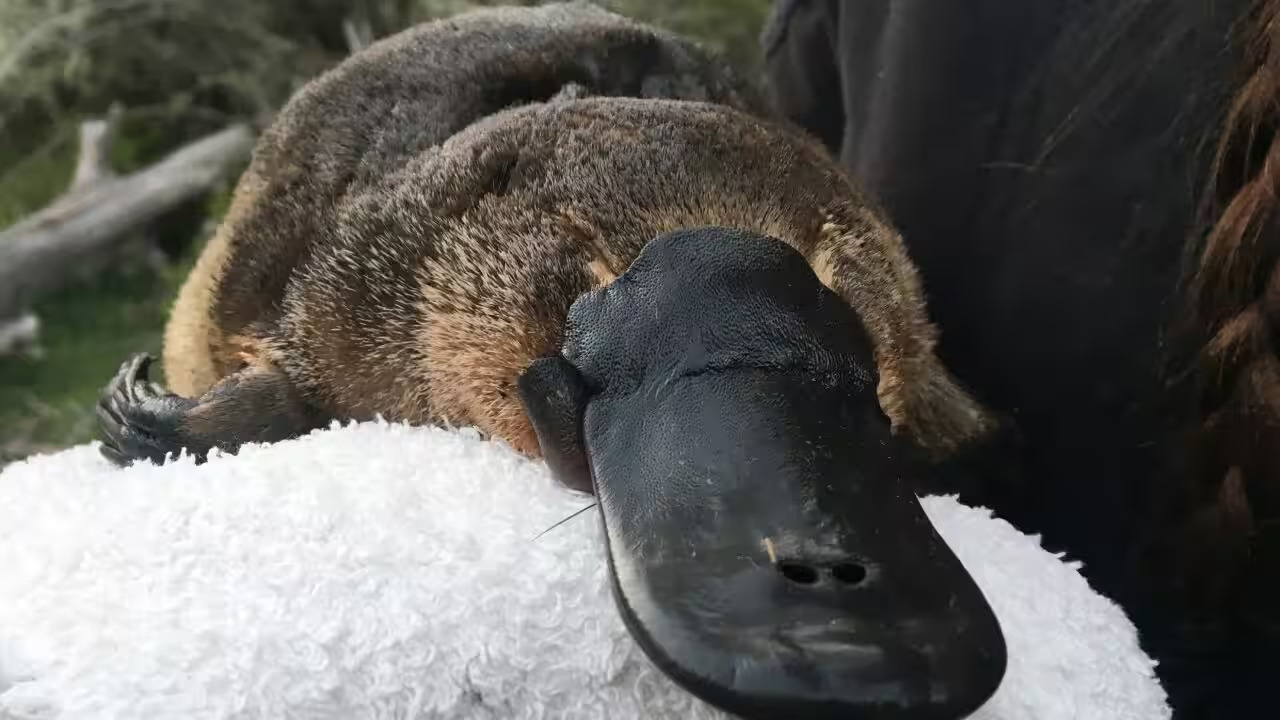
Australia's renowned and distinctive creature, the platypus, has made a remarkable comeback in the oldest national park of the country, located just south of Sydney. This momentous occasion signifies a significant achievement in the conservation project for the platypus, which had vanished from the area approximately 50 years ago.
For several decades, there had been no confirmed platypus sightings in the Royal National Park, dating back to the 1970s. However, recent events have brought about a positive change as four female platypuses were reintroduced, marking the initial step in rewilding these fascinating creatures in New South Wales. To counter the escalating threats faced by the platypus, including habitat destruction, river deterioration, feral predators, and severe weather conditions, an additional six platypuses are scheduled to be released.
According to a recent survey conducted by the University of New South Wales (UNSW), platypus sightings in New South Wales have decreased by nearly one-third in the past three decades, with their habitats shrinking by approximately 25%. To tackle this concerning decline, a joint effort involving UNSW, Taronga Conservation Society Australia, World Wildlife Fund Australia, and the New South Wales National Parks and Wildlife Service has been initiated.
The platypuses were carefully collected from various locations across southeastern New South Wales, and thorough health assessments were conducted before their relocation. Over the next two years, each platypus will be closely monitored to gain valuable insights into conservation interventions during droughts, bushfires, or floods. Known for its distinct bill, webbed feet, and venomous spurs, the platypus is one of only two mammals in the world capable of laying eggs.