Pollution and Water Imbalance Endanger Wetlands in Cyprus
-
 Loading...
 - Agnes Janos
- 14 Mar 2025
- 31 Views
- 0 Like
- 0 Comment
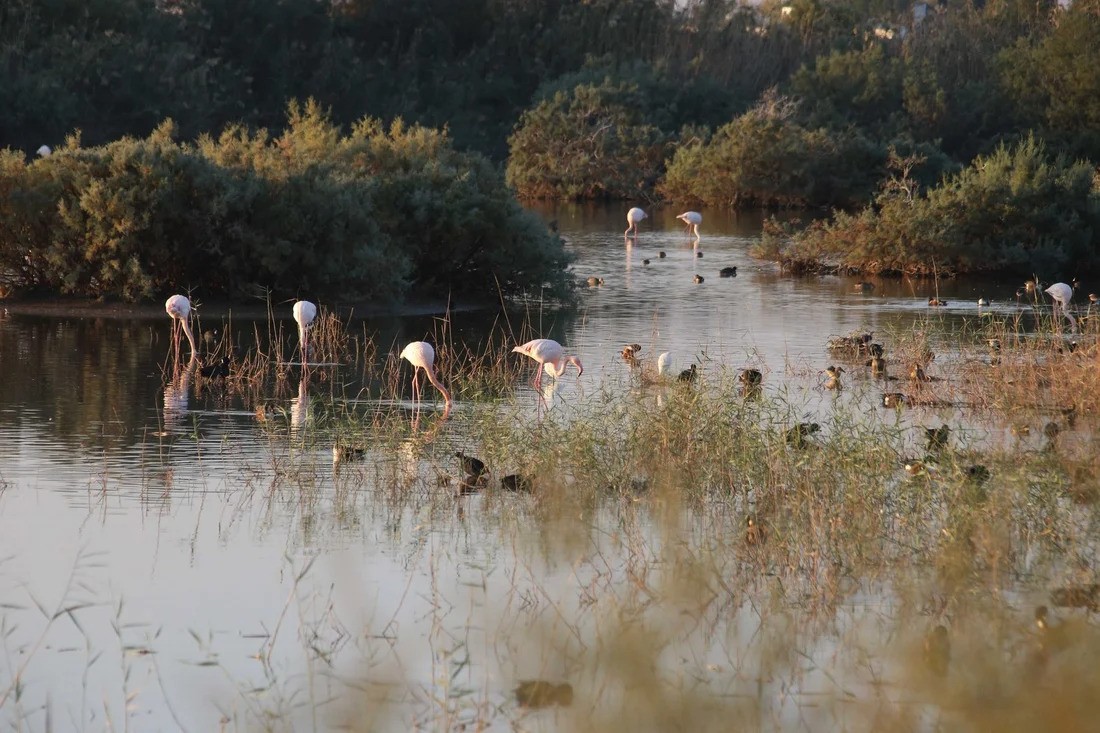
Concerns regarding the future of two of Cyprus’ most significant wetlands have escalated, with environmental groups sounding the alarm over the mounting threats to their survival. The federation of environmental organizations of Cyprus (Opok) has issued a strong plea for urgent, coordinated action to protect the Akrotiri Salt Lake and Makria Lake from increasing human pressures.
Following a recent visit by the House environment committee to the two wetlands, Opok submitted a detailed outline of the dangers they face. Dr. Miltiades Polydorou, the federation’s scientific and administrative officer, emphasized the critical need for intervention. Both lakes are vital ecosystems that host a rich variety of biodiversity and play a crucial role in maintaining the region’s environmental balance.
Opok has warned that these wetlands are under severe strain from pollution, human activity, and alterations to their natural water flow. “The growing environmental pressures on these wetlands require immediate action,” the federation stated. “These ecosystems are at risk due to pollution, unregulated development, and disruptions to their natural hydrology. Without intervention, their biodiversity and ecological role will be lost.”
Proposed Solutions
To preserve these fragile environments, Opok has called for several measures, including:
- Strict Monitoring of Water Sources: Implementing rigorous oversight to ensure water quality and availability.
- Tighter Controls on Runoff: Regulating runoff from nearby developments to minimize pollution entering the wetlands.
- Restoration of Natural Water Balance: Adopting sustainable management practices to restore the natural hydrology of the wetlands, including better drainage regulations and protection of natural water sources.
The federation also highlighted the importance of these wetlands for endangered species, such as the globally threatened Ferruginous duck. To protect such species, Opok advocates for stronger conservation measures, including:
- Expanding Protected Areas: Increasing the size of designated conservation zones to safeguard critical habitats.
- Restricting Disruptive Activities: Limiting uncontrolled tourism and illegal hunting that threaten the delicate ecosystems.
- Implementing Natural Barriers: Establishing measures to prevent erosion and protect the integrity of the wetlands.
The Impact of Human Activity
Human interference has significantly impacted the health of these wetlands, according to Opok. The group stressed the need for stricter environmental regulations on land development and visitor activity, promoting eco-friendly tourism while limiting the number of visitors to reduce stress on the ecosystem.
Community involvement is also seen as essential for long-term conservation efforts. Opok called for clearer legislation and improved governance to ensure lasting protection for these vital ecosystems. The federation warned that without legal frameworks to regulate human activity and enforce conservation efforts, the wetlands could suffer irreversible damage.
“Only through immediate and coordinated action can we ensure that these vital ecosystems remain intact for future generations,” Opok concluded. The call to action highlights the urgent need for collaboration among government bodies, environmental organizations, and local communities to safeguard the Akrotiri Salt Lake and Makria Lake from the threats posed by pollution and water imbalance. Protecting these wetlands is not only crucial for the biodiversity they support but also for the overall health of the environment in Cyprus.