Rising Water Temperatures in Andalucia's Mediterranean Coast: A Threat to Biodiversity and Sea Life
-
 Loading...
 - Amara Zara
- 06 Sep 2024
- 46 Views
- 0 Like
- 0 Comment
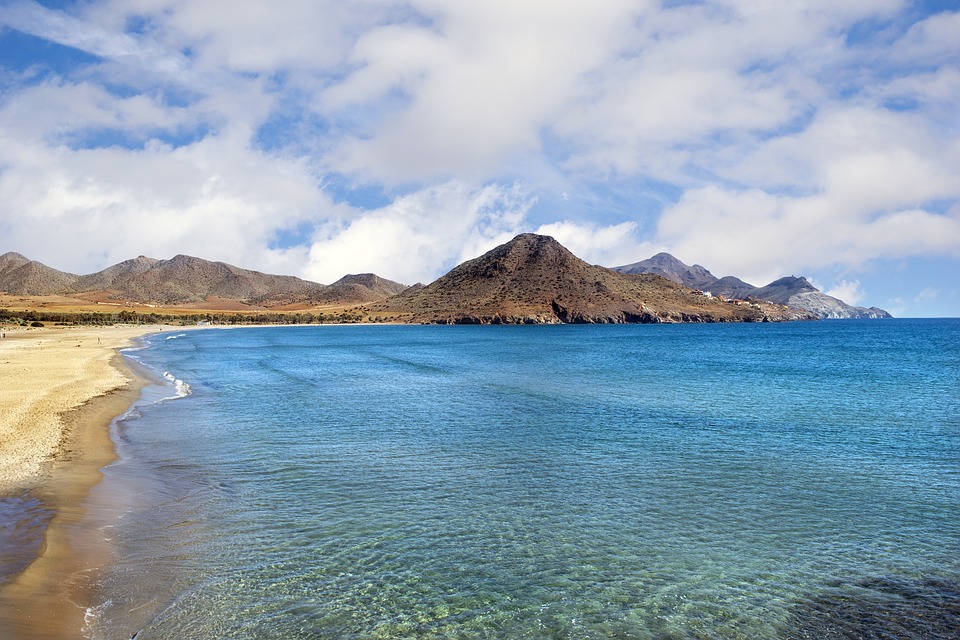
The waters off the coast of Andalucia, Spain, have recorded a record high temperature of 28.61°C on August 21, exceeding all readings since 2001. This marks the second consecutive year that the water temperature has exceeded 28°C. The average temperature of the Mediterranean Sea off Andalucia has increased by 1.01°C over the last 10 years, a trend that is undoubtedly linked to climate change.
The increase in water temperatures is already affecting the posidonia oceanica, a plant that has a temperature tolerance margin of 24°C. Warmer water also accelerates chemical reactions, causing carbon dioxide to dissolve in the sea at a greater speed, leading to more acidic water. This will have devastating effects on many marine animals, such as mollusks, crustaceans, and echinoderms, whose shells are at risk in acidic environments.
Scientists predict that the water temperature will continue to rise, potentially exceeding 30°C, which could lead to the loss of many species. The consequences of this temperature increase will be far-reaching, threatening the biodiversity of the sea and the delicate balance of the marine ecosystem.
Rafael Yus, coordinator of GENA Ecologistas en Accion, attributes the increase in water temperatures to climate change, which has affected both the continent and the sea. While it is too early to see the full effects of climate change on the sea, the predictions are alarming, and urgent action is needed to mitigate the impact of rising water temperatures on marine life.