Portugal Prime Minister Avoids Crisis With Help From Opposition
-
 Loading...
 - Alexis Elliot
- 03 Mar 2025
- 128 Views
- 0 Like
- 0 Comment
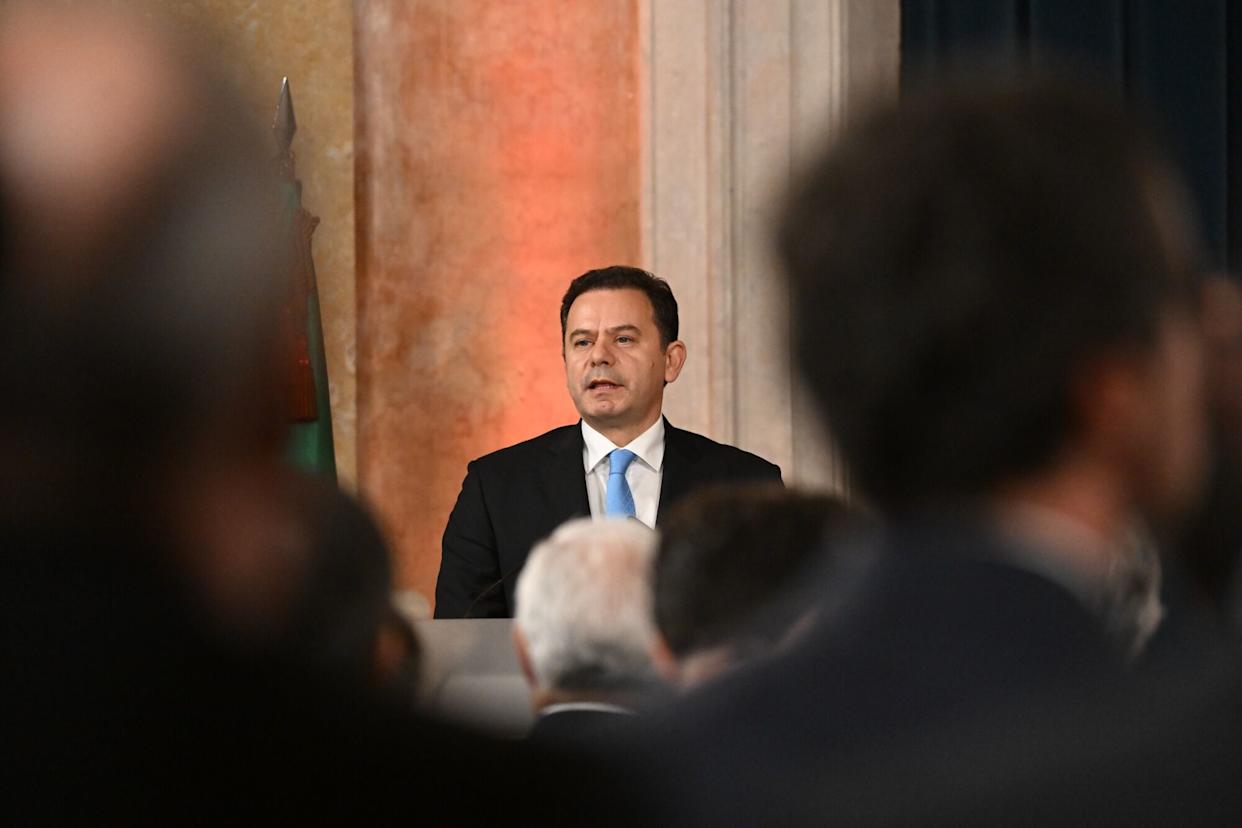
Portuguese Prime Minister Luis Montenegro has successfully navigated a potential political crisis with the assistance of the opposition Socialists, following concerns regarding conflicts of interest related to his family-owned firm. This collaboration has allowed Montenegro's minority government to maintain its position in parliament amid growing scrutiny.
On Saturday night, Montenegro reached out to various political parties to gauge their support for his government. Shortly thereafter, Socialist leader Pedro Nuno Santos announced that his party would not support a censure motion recently introduced by the Communist Party. This decision effectively ensures that Montenegro can survive the upcoming vote, alleviating immediate pressure on his administration.
The controversy surrounding Montenegro's family-owned company, Spinumviva, has intensified scrutiny on his leadership since he took office in April. Last month, he received support from opposition parties, including the Socialists, to defeat a censure motion from the far-right Chega party, which demanded clarity regarding the potential conflict of interest stemming from his business ties.
The Socialists, as the largest opposition party, have played a crucial role in allowing Montenegro's center-right administration to pass significant legislation, including the 2025 budget, by abstaining from votes. The government's agenda includes plans to privatize the state-owned airline TAP SA this year.
Despite their support, Santos expressed concerns about the government's trustworthiness, stating that the relationship between the government and the Portuguese people has been compromised. He indicated that the Socialists would not support the government in a confidence motion, signaling a cautious stance moving forward.
Montenegro, 52, has defended his establishment of Spinumviva, asserting that he created the company while not actively involved in politics and dismissing claims of a conflict of interest as "absurd." He emphasized that he has never made decisions that would create such conflicts. The company has been receiving payments from Solverde, a Portuguese casino and hotel operator, for compliance and data protection services since July 2021.
To further distance himself from potential conflicts, Montenegro announced that his children would take full ownership and management of the family business. He has committed to abstaining from decisions that could affect companies with which he has ties, particularly regarding casino concessions in the Algarve and Espinho, which are set to expire in 2025.
Historically, minority governments in Portugal have struggled to maintain stability, with only two surviving a full four-year term in the past 50 years of democracy. The political landscape has been dominated by the Socialists and Montenegro's center-right PSD party, which leads the governing AD coalition.
Recent polling indicates that the ruling AD coalition holds a slight lead with 33% support, followed by the Socialists at 27% and Chega at 17%. Montenegro's coalition achieved a narrow victory over the Socialists in the early election held in March of the previous year, following a snap election in January 2022.
Fiscal discipline remains a priority for successive Portuguese administrations, particularly in the wake of the euro-area debt crisis that necessitated a bailout. While Portugal's debt ratio fell below 100% of GDP for the first time since 2009 in 2023, concerns about high debt levels and the lingering effects of the crisis continue to shape the political discourse.