Private lands stalling Brazil’s conservation efforts
-
 Loading...
 - Arturo Ortiz
- 01 Jun 2023
- 75 Views
- 0 Like
- 0 Comment
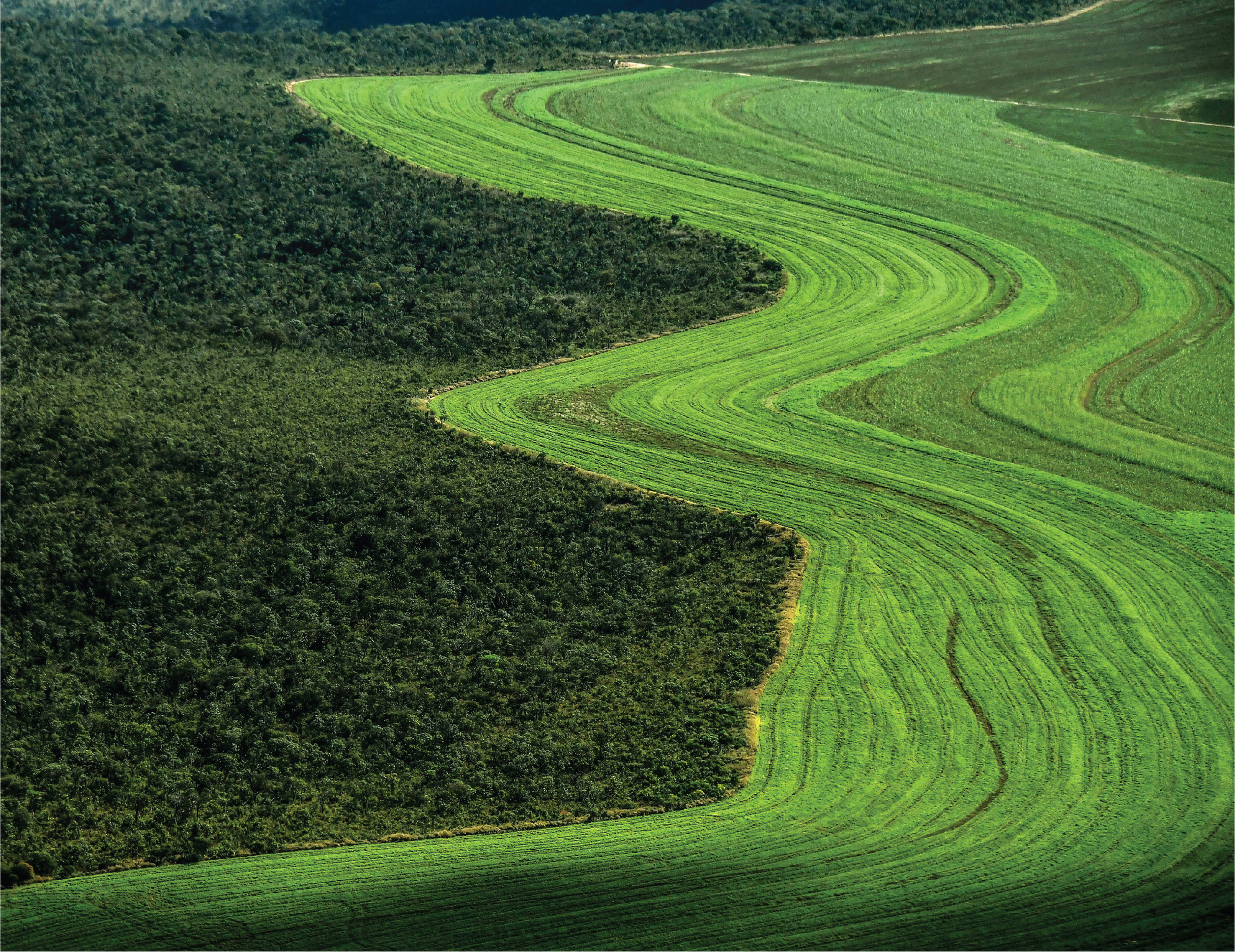
As Brazil endeavors to safeguard its vital Amazon Forest, a recent study reveals that exempting private landowners from preserving their valuable land has had significant repercussions on global sustainability.
In the latest edition of Nature Communications Earth & Environment, researchers from Michigan State University's Center for Systems Integration and Sustainability (MSU-CSIS), along with counterparts from Brazil and the UK, unveiled a startling finding: over half of the deforestation in the Brazilian Amazon since 2012 occurred within designated private conservation areas on rural private properties. These conservation areas were originally established under the national conservation forest policy with the intention of restoring natural vegetation.
Regrettably, the amnesty granted to 80% of small property landowners in the Amazon thwarted the restoration of 14.6 million hectares of agricultural land, which could have sequestered 2.5 gigatonnes of carbon.
Co-author Jianguo "Jack" Liu, the Rachel Carson Chair in Sustainability and Director of CSIS, emphasized the importance of engaging private property owners, particularly those located in global biodiversity hotspots like Brazil, in practices that mitigate climate change and reduce carbon emissions through carbon sequestration. He stated, "Our research, which uncovers the true condition of private rural lands in Brazil, holds significant implications not only for the country but for the entire world. Addressing local factors contributing to climate change mitigation is truly a global imperative."
Since 2012, Brazil has been amending its Native Vegetation Protection Law to foster the regrowth of natural vegetation. As part of this endeavor, the government began collecting information from private landowners to gain insights into land usage—whether it was for farming, development, or left to natural vegetation.
Drawing on this data, the international team conducted an in-depth analysis of natural growth across Brazil, integrating information provided by landowners regarding land ownership and conservation. This approach enhanced the assessment of policy compliance and conservation, surpassing what could be gleaned from satellite data alone.
Lead author Ramon Bicudo explained, "We were able to ascertain whether private properties adhered to national regulations. Our findings indicate that enforcing Brazil's Forest Code and ensuring landowners comply would significantly bolster the country's carbon stocks, crucial for offsetting emissions."
The amnesty granted under the 1965 Code released landowners from the obligation to restore 14 million hectares of small private properties in the Amazon. The researchers also discovered that 3 million hectares were granted amnesty in the Atlantic Forest, a globally recognized biodiversity hotspot and Brazil's most endangered biome, where only around 15% of natural vegetation remnants remain.
Bicudo emphasized the significance of showcasing how inaccuracies in self-declared data can lead to substantial overlap between private lands and protected areas. Furthermore, the researchers provided a range of quantitative validation methods to address the challenges posed by managing such extensive datasets. Brazil faces mounting pressure to increase soybean and beef production on private lands to cater to both international and domestic markets. Consequently, having a tool to assess the condition of private lands and identify pathways for forest governance is of utmost importance.
Apart from Liu and Bicudo, the study's authors include Daniel de Castro Victoria, Fábio Ávila Nossack, Andrés Viña, James D. A. Millington, Simone Aparecida Vieira, Mateus Batistella, and Emilio Moran.