Red Planet 'too dangerous' for humans to survive on for prolonged mission
-
 Loading...
 - Martisse Bertin
- 07 Jun 2023
- 68 Views
- 0 Like
- 0 Comment
In recent years, there has been significant interest and speculation regarding the possibility of humans embarking on a prolonged mission to the Red Planet, Mars. However, despite the allure of exploring new frontiers and expanding our presence in the universe, the prevailing scientific consensus suggests that Mars is, indeed, "too dangerous" for humans to survive on for a prolonged period. In this article, we will delve into the various factors that contribute to this assessment, providing a comprehensive understanding of why Mars remains inhospitable for long-duration human habitation.
The Harsh Martian Environment
Atmospheric Challenges and Extreme Cold
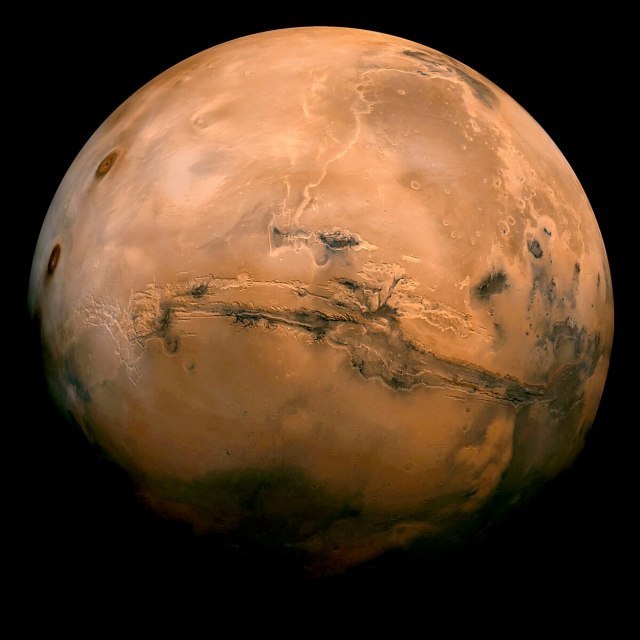
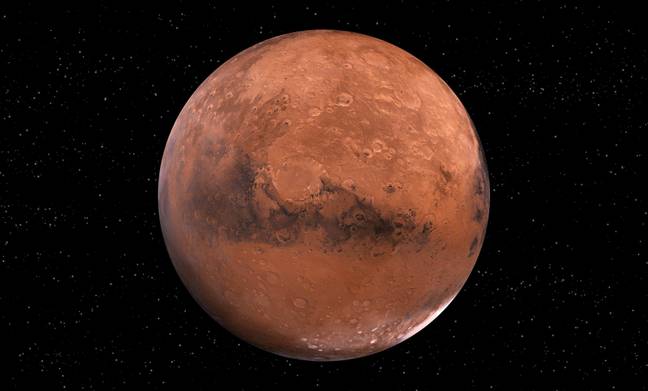
Mars, often referred to as the Red Planet due to its reddish appearance, possesses an atmosphere significantly different from Earth's. The Martian atmosphere is incredibly thin, approximately 100 times less dense than Earth's atmosphere. This presents a range of challenges for human survival. Firstly, the lack of atmospheric pressure on Mars would have profound implications for our bodily functions. The absence of pressure would cause fluids in our bodies to boil at lower temperatures, making the presence of liquid water nearly impossible.
Furthermore, the atmospheric composition on Mars predominantly consists of carbon dioxide (CO2), which is unsuitable for human respiration. The thin atmosphere also fails to provide sufficient protection against harmful radiation from the sun and cosmic rays. The combination of these factors makes it extremely difficult for humans to survive without the aid of specialized life support systems and protective suits.
Additionally, the average surface temperature on Mars is approximately -80 degrees Fahrenheit (-62 degrees Celsius). Such extreme cold poses significant challenges for maintaining a habitable environment and providing adequate warmth for human survival. The limited availability of natural resources, including breathable air and drinkable water, further compounds the difficulties faced by potential Martian explorers.
Dust Storms and Atmospheric Instability
Mars is notorious for its powerful dust storms, which can engulf the entire planet and last for months. These dust storms pose a serious threat to human missions, as they can severely limit visibility and interfere with communication systems. The abrasive nature of Martian dust particles can also damage equipment and potentially harm human respiratory systems if inhaled.
Moreover, the Martian atmosphere exhibits significant atmospheric instability, resulting in sudden and drastic temperature fluctuations. This instability, coupled with the planet's low atmospheric pressure, makes it exceedingly challenging to establish stable habitats or cultivate crops necessary for sustained human existence.
Radiation Hazards on Mars
Lack of Magnetosphere and Solar Radiation
Unlike Earth, Mars lacks a substantial magnetosphere, a protective magnetic field that shields our planet from the harmful effects of solar radiation. As a result, the Martian surface is directly exposed to intense radiation from the sun and cosmic rays. Extended exposure to radiation can lead to detrimental health effects, including an increased risk of cancer, damage to DNA, and compromised immune systems.
Shielding astronauts from these high-energy particles presents a significant engineering challenge. Even with the implementation of radiation shielding, the prolonged exposure during a mission to Mars could have long-lasting health consequences for astronauts. Mitigating these radiation hazards would require advanced technological solutions that are not yet fully developed.
Radiation-Induced Soil Toxicity
In addition to the radiation hazards faced by humans, the Martian environment itself poses a unique challenge. Recent studies have indicated that exposure to high levels of radiation can induce toxic chemical reactions in the Martian soil. These reactions produce compounds known as perchlorates, which are harmful to human health and can potentially contaminate the water supply.
The presence of perchlorates further complicates the prospect of sustainable agriculture and poses risks to the overall well-being of astronauts. Overcoming this obstacle would require extensive research and technological advancements to mitigate the effects of perchlorates on both humans and potential plant life.
Psychological and Physiological Impact
Isolation and Psychological Stress
Human missions to Mars would necessitate extended periods of isolation and confinement within spacecraft and habitats. The psychological impact of isolation and confinement on astronauts has been well-documented during long-duration missions on the International Space Station (ISS). However, the isolation experienced during a journey to Mars would far exceed any previous mission.
The psychological stress induced by isolation can lead to various mental health issues, including depression, anxiety, and decreased cognitive function. Additionally, the absence of a direct line of communication with Earth for significant periods further compounds the sense of isolation and can create feelings of detachment from loved ones and support networks.
Reduced Gravity and Musculoskeletal Challenges
The reduced gravity on Mars, approximately one-third of Earth's gravity, presents its own set of challenges for human physiology. Prolonged exposure to reduced gravity can result in significant musculoskeletal deterioration, including muscle atrophy, bone loss, and cardiovascular deconditioning. These conditions can lead to a higher risk of fractures, impaired mobility, and compromised cardiovascular health.