Road Cycling Is Ripe for Reinvention
-
 Loading...
 - Marko Knezevic
- 02 Jun 2022
- 267 Views
- 0 Like
- 0 Comment
For many, many years, road cycling was synonymous with elitism. Inscrutable rules, costly custom frames, all manner of unguents and embrocations… In the heady days of the Lance Armstrong-era American Roadie Boom, cycling even became known as “the new golf,” and anecdotes abounded about Lycra-clad business bros, high on Enervit and ego, making big-money deals as they cranked out the big watts.
Then road riding seemed to lose some of its unctuous, depilated sheen. The Waltons bought Rapha, which made roadies feel all icky and déclassé. USA Cycling got rid of Category 5 and introduced voluntary upgrades, which meant all those lofty Cat 4s no longer had anybody to ridicule. Gravel got more and more popular—its growth fueled in no small part by its very unroadlike inclusivity—and the marketing followed. In turn, riding on very small rocks has now gone from folksy to fancy, and the pointy end of the sport can be just as expensive as road riding ever was.
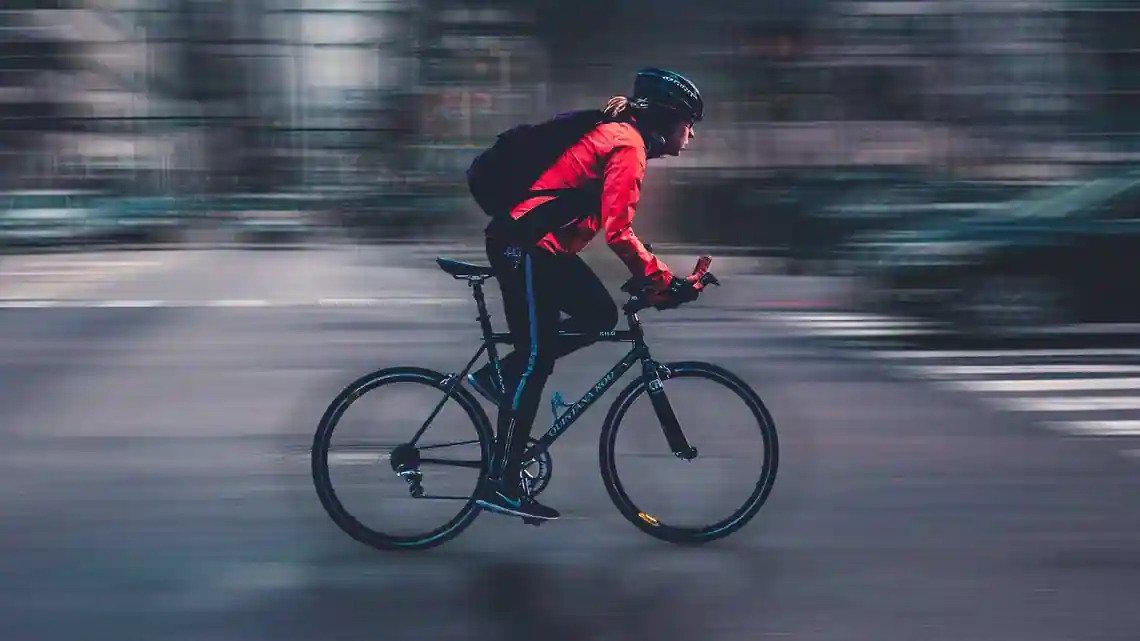
Ironically, the result of all of this is a sort of road/gravel inversion. Humbled and stripped of its caché, road riding is ripe for reinvention as an accessible and unpretentious approach to cycling. One important reason for this is that, for millions of people, it is quite literally the most accessible form of cycling. Evocative imagery of amber waves of grain notwithstanding, 80 percent of the population of the United States lives in urbanized areas. The upshot is that relatively few people have easy access to miles and miles of untrammeled gravel (or a motor vehicle with which to travel to it), but pretty much everybody lives on or near a road. Granted, those roads seem to be growing increasingly more dangerous, which is part of what’s helping fuel gravel’s growth in the first place. But at least the prospect of fewer preening roadies makes those roads slightly less daunting.
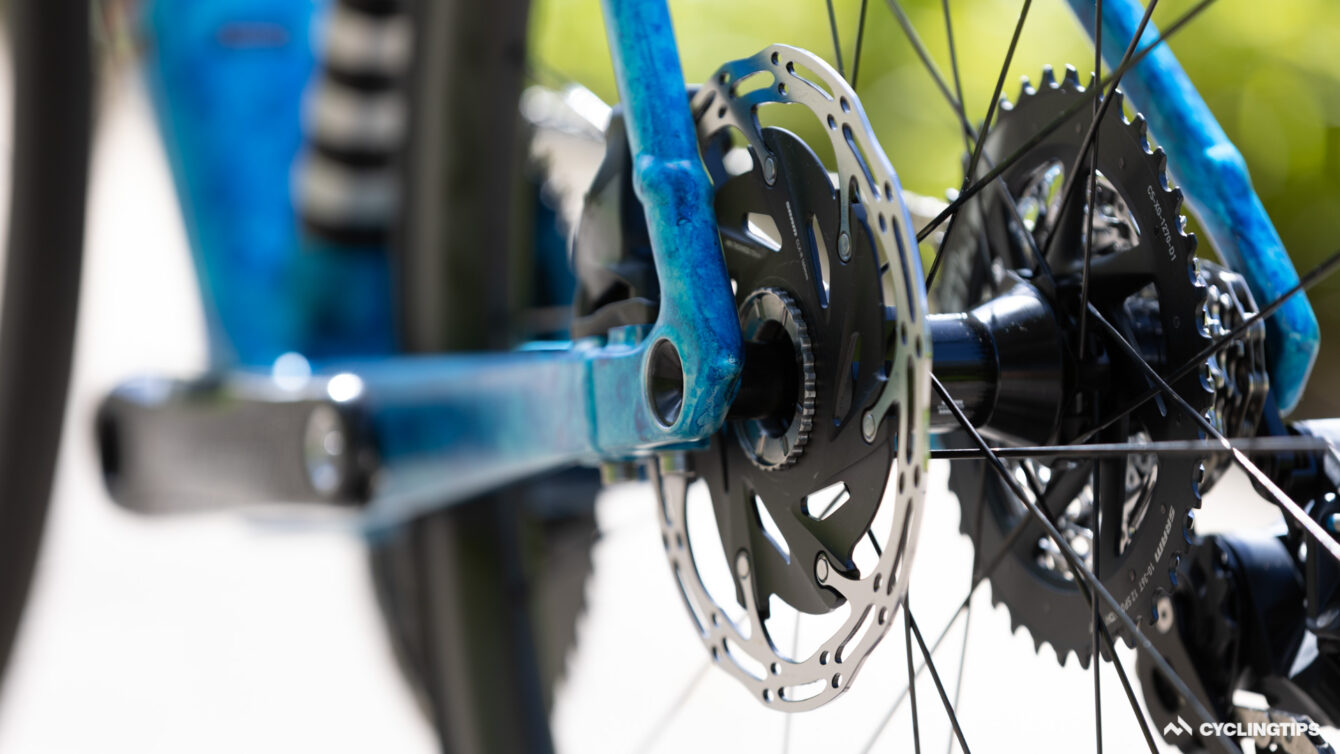
Another aspect of road cycling that many once found prohibitive was the cost of the equipment. Road cycling in the age of electronic shifting, disc brakes, and carbon everything is not a cheap proposition. However, the upside is that once you free yourself from the idea that you need all that stuff in the first place, the bottom falls out and you can get into road cycling for next to nothing. Gravel is so popular it’s even driven up the demand for vintage mountain bikes, but bikes with rim brakes and relatively tight frame clearances are still deeply out of fashion and thus eminently attainable. For example, recently I’ve been riding a 1989 Trek 1200. Bonded aluminum frame, one-inch threaded headset, downtube shifters, single-pivot rim brakes…it’s as outdated and ungravelly as a bike can be. It’s also lots of fun to ride, has some vintage panache (at least if you’re young enough not to know how common they were), and was on sale from an actual bike shop in ready-to-ride condition for a whopping $229. Trends aside, road bikes have been around forever, and until recently the pace of technological development in the segment has been slow. The result is that there are roughly a zillion used road bikes out there, and it often doesn’t take much more than some fresh tires and bar tape to breathe new life into them.
The fact that traditional road bikes are out of fashion also makes them inexpensive to maintain and upgrade. Modern road and gravel rims are now optimized for wider, tubeless tires, which means the perfectly serviceable 23-millimeter clinchers roadies used for years are often on clearance. Downtube and bar-end shifters are as simple and durable as bike parts get, and in friction mode you can use just about any gearing you want, which means you can save or splurge on cassettes and chains as you see fit—or if that’s too primitive for you, integrated shifters have been around long enough that there’s not much of a premium on them anymore. Also, the reason rim brakes stuck around so long on road bikes is…they work great on road bikes. So the recent wholesale consumer shift to discs means more bargains and cheaper maintenance for you. Read More...