Russia to Widen Asset Seizing Power with New Legislation
-
 Loading...
 - Cornelis Bakker
- 13 Feb 2025
- 170 Views
- 0 Like
- 0 Comment
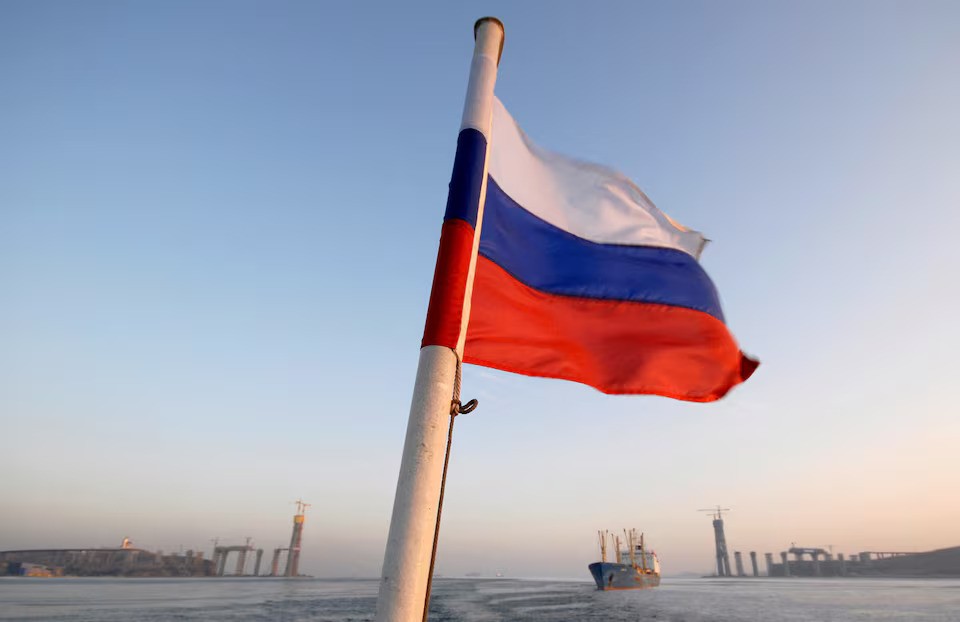
Russia is poised to expand its authority to retaliate against Western asset seizures through new legislation that could enable the confiscation of frozen funds belonging to foreign companies and investors. This move comes in response to approximately $300 billion of Russian financial assets, including major currencies and government bonds, that were frozen overseas following the deployment of Russian troops to Ukraine in February 2022.
The draft bill, which outlines the procedures for Russia to confiscate foreign property in retaliation for similar actions taken by other states, has recently been approved by the government's legislative activity commission. This approval paves the way for the bill to be debated in the State Duma, Russia's lower house of parliament.
Developed by the Russian justice ministry, the legislation builds on a decree signed by President Vladimir Putin in May 2024, which identified U.S. property and securities as potential compensation for losses incurred due to the seizure of Russian assets in the United States. The new law aims to extend these provisions to all so-called "unfriendly states"—countries that have imposed sanctions on Russia due to its actions in Ukraine.
Under the proposed law, decisions regarding asset confiscation would be enforced through lawsuits filed in arbitration courts by state bodies, including the central bank, the General Prosecutor's office, and various government agencies. The defendants in these cases would be foreign states that have seized Russian assets.
A source familiar with the discussions surrounding the bill indicated that type-C accounts, which are currently blocked unless Moscow grants a waiver, may be targeted for confiscation. This could pose significant challenges for many foreign investors, including individuals and major U.S. investment funds, who have billions of dollars trapped in these accounts.
In previous reports, it was noted that Russia might pursue private investors' cash as its capacity for reciprocal retaliation has diminished due to a decline in foreign investment. The new legislation reflects Russia's ongoing efforts to assert control over its financial assets and respond to the economic pressures imposed by Western sanctions.