Greek Lawmakers Elect Constantine Tassoulas as President
-
 Loading...
 - Amara Zara
- 12 Feb 2025
- 52 Views
- 0 Like
- 0 Comment
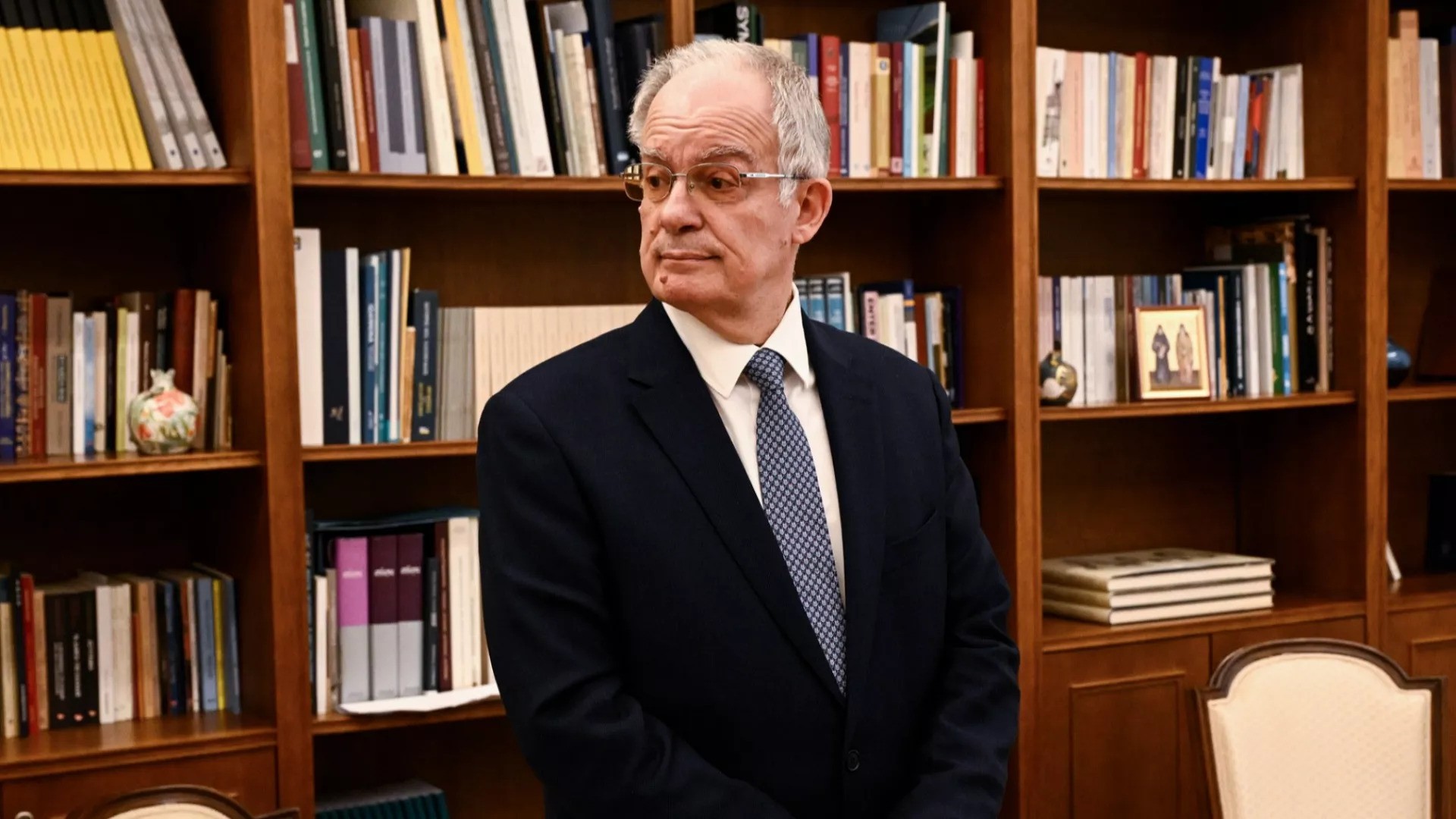
Greek lawmakers have elected Constantine Tassoulas as the new president of Greece, succeeding Katerina Sakellaropoulou. Tassoulas, a former parliament speaker and a prominent advocate for the return of the Parthenon sculptures from the British Museum, was elected to the largely ceremonial position with 160 votes from the 300-member parliament in the fourth round of voting.
At 65 years old, Tassoulas expressed that the presidency is “a supreme honour for me, but above all a precious responsibility.” He is a member of the governing New Democracy party and previously served as the culture minister about a decade ago.
His election comes amid ongoing protests from citizens frustrated by the government's handling of the 2023 rail disaster in Larissa, which resulted in the deaths of 57 people. This tragedy occurred during Tassoulas's tenure as parliamentary speaker, and the slow response to investigate the incident has sparked significant controversy.
During his time in office, Tassoulas has been instrumental in revitalizing efforts to repatriate the Parthenon sculptures, also known as the Elgin Marbles. He collaborated with high-profile figures, including lawyer Amal Clooney, to raise international awareness for the campaign. The sculptures were taken from the Acropolis in Athens by British diplomat Lord Elgin in the early 1800s and have been housed in the British Museum ever since. The Greek government maintains that their removal was illegal and has long sought their return to reunite them with other Parthenon artifacts displayed in Athens.
With the recent change in the UK government to a Labour administration, Greek officials are feeling more optimistic about the potential for negotiations regarding the sculptures. There are discussions about possible loan agreements and arrangements for rotating exhibitions of ancient Greek artifacts at the British Museum, which could facilitate the return of the Parthenon sculptures.
Tassoulas's presidency marks a significant moment for Greece, particularly in the context of cultural heritage and the ongoing dialogue surrounding the return of the Parthenon sculptures.