Should Ukraine Hold a Presidential Election in 2025?
-
 Loading...
 - Ingrid Amas
- 11 Feb 2025
- 174 Views
- 0 Like
- 0 Comment
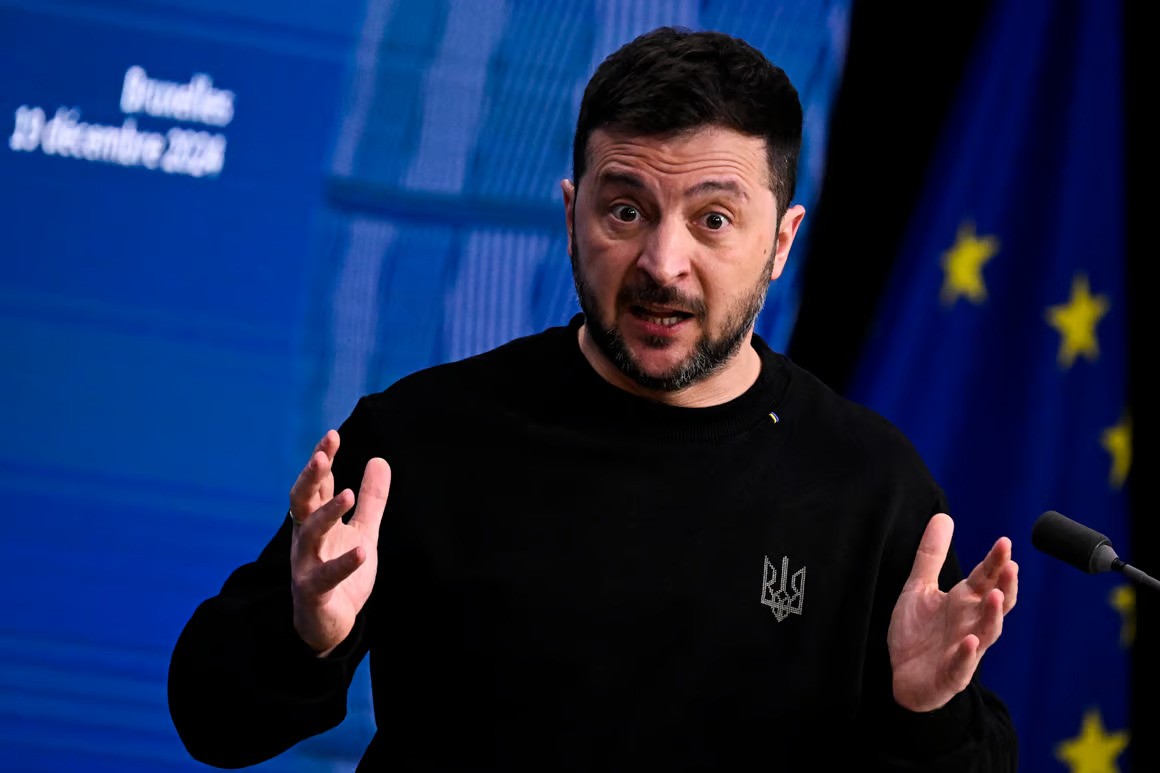
As Ukraine continues to grapple with the ongoing war with Russia, the question of whether to hold a presidential election in 2025 has become increasingly pressing. President Volodymyr Zelenskyy faces mounting pressure to schedule elections that were postponed due to the conflict, but experts warn of significant risks involved.
The war has been ongoing for nearly three years, and Zelenskyy has consistently stated that elections will be announced once martial law is lifted. In a recent interview, he reiterated, "The hot phase of the war will end, and when martial law is lifted, elections will be announced." However, the timeline for this remains uncertain.
The discussion around elections has intensified following comments from Keith Kellogg, the new U.S. special envoy for Ukraine and Russia, who suggested that elections could be beneficial for democracy and might be feasible before the end of the year if a truce with Moscow is reached. Some U.S. politicians have been advocating for elections despite the ongoing war, while Russian President Vladimir Putin has used the absence of elections to question Zelenskyy's legitimacy.
Ukraine's constitution prohibits holding elections under martial law, and Russia has indicated it would not negotiate a settlement until a new presidential election occurs in Ukraine. This stance raises concerns that elections could be used as a tactic by Moscow to create unrest and division within Ukraine.
Experts caution against the potential dangers of holding elections too soon. Thomas Greminger, former secretary general of the Organization for Security and Co-operation in Europe (OSCE), argues that free and fair elections are not feasible under current conditions, particularly given that large parts of Ukraine remain under Russian control. He warns that premature elections could destabilize the country rather than stabilize it.
John Herbst, a former U.S. ambassador to Ukraine, echoes these concerns, stating that elections could pose risks not only to democracy but also to national security. He emphasizes that elections should only occur under specific conditions, such as a serious ceasefire and increased military support for Ukraine.
For elections to be held safely and fairly, several prerequisites must be met:
- Stability and Security: A monitored ceasefire and a demilitarized zone are essential to ensure a secure environment for voters and candidates.
- Freedom of Movement: Voters and candidates must have the ability to move freely without fear of violence or intimidation.
- Media Freedom: A free press is crucial for informing the public and ensuring transparency during the electoral process.
Greminger suggests that the earliest possible timeframe for elections would be after six months of a stable ceasefire, with the chances of holding elections this year being less than one percent.
The decision to hold a presidential election in Ukraine in 2025 is fraught with complexities and risks. While there is international pressure to proceed with elections, the current wartime conditions and the potential for instability suggest that it may be premature. Ensuring the safety and integrity of the electoral process should be the priority, and many experts believe that a more stable environment is necessary before any elections can be considered. As the situation evolves, Ukraine must carefully weigh the implications of holding elections against the backdrop of ongoing conflict and national security concerns.