Saturn regains status as planet with most moons in solar system
-
 Loading...
 - Bertha Friedrich
- 02 Jun 2023
- 63 Views
- 0 Like
- 0 Comment
Saturn, the magnificent ringed planet, has once again claimed its title as the planet with the most moons in our solar system. Recent astronomical discoveries have revealed several new moons orbiting Saturn, surpassing the previous record holder, Jupiter. This exciting development has sparked great interest and curiosity among scientists and space enthusiasts alike. In this article, we will delve into the fascinating world of Saturn and its remarkable collection of moons.
The Enchanting World of Saturn
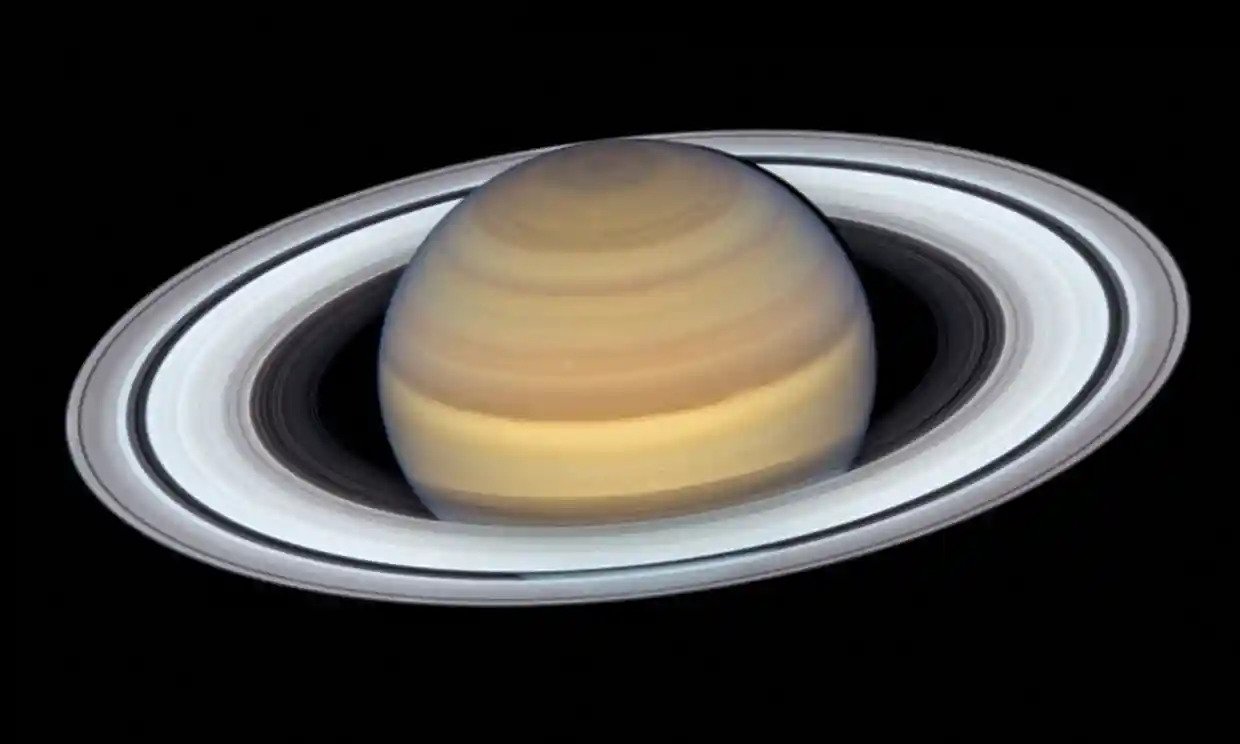
Saturn, known for its stunning rings, has always captivated our imagination. It is the sixth planet from the Sun and the second-largest planet in our solar system. With its distinct yellow hue and prominent rings composed of ice particles, rock, and dust, Saturn has long been a subject of awe and wonder. Now, with the discovery of additional moons, it has become an even more captivating celestial body.
Saturn Regains Its Crown
After extensive observations and meticulous analysis, astronomers have confirmed that Saturn has once again claimed the title of the planet with the most moons. Recent discoveries have pushed Saturn's moon count to a staggering number, surpassing Jupiter's previously held record. This exciting revelation has reignited our fascination with the mysteries of our vast universe.
The Moon Dance: Exploring Saturn's Moons
Saturn's newfound status as the planet with the most moons begs the question: How many moons does it have, and what makes them unique? Let's embark on a journey through Saturn's moon dance and explore some of its most intriguing companions.
1. Titan: A World of its Own
Titan, Saturn's largest moon, is a captivating celestial body. It is larger than the planet Mercury and is the only moon in our solar system with a thick atmosphere. Titan's atmosphere primarily consists of nitrogen, similar to Earth's, but also contains significant amounts of methane. This moon has captivated scientists' attention due to its potential for harboring life. Its hydrocarbon lakes and rivers, coupled with its complex chemistry, make it a fascinating subject for further exploration.
2. Enceladus: An Icy Marvel
Enceladus, one of Saturn's most intriguing moons, is known for its icy surface and powerful geysers erupting from its south pole. These geysers expel plumes of water vapor, organic molecules, and fine ice particles into space, suggesting the presence of a subsurface ocean. The discovery of these hydrothermal vents has sparked interest in the possibility of microbial life existing beneath the moon's icy crust.
3. Rhea: A Moon with Rings
Rhea, the second-largest moon of Saturn, has a distinguishing feature of its own. It possesses a faint ring system, making it one of the few moons in our solar system with rings. While these rings are not as prominent or extensive as Saturn's iconic ring system, they contribute to Rhea's unique character.
4. Dione: A Heavily Pockmarked Moon
Dione, another moon of Saturn, has a heavily pockmarked surface, indicating a history of significant impacts. Its rugged terrain and bright ice cliffs make it a visually striking moon. Scientists believe that beneath its icy crust lies a subsurface ocean similar to Enceladus, further piquing their interest in potential habitable environments.
5. Hyperion: The "Sponge" Moon
Hyperion, often referred to as the "sponge" moon, has a unique, irregular shape and a porous, sponge-like surface. Its chaotic rotation and distinct topography have intrigued scientists for decades. The moon's unusual features make it a fascinating subject for further study and exploration.
6. Newly Discovered Moons: Expanding Saturn's Collection
In addition to the well-known moons, recent observations using advanced telescopes and spacecraft have led to the discovery of numerous smaller moons orbiting Saturn. These newfound satellites contribute to Saturn's ever-growing moon count and add to the intrigue surrounding this extraordinary planet.
FAQs about Saturn's Moons
How many moons does Saturn have in total?
Saturn currently boasts an impressive count of over 80 confirmed moons and counting. The exact number may vary as new discoveries continue to be made.
Which planet had the most moons before Saturn regained its status?
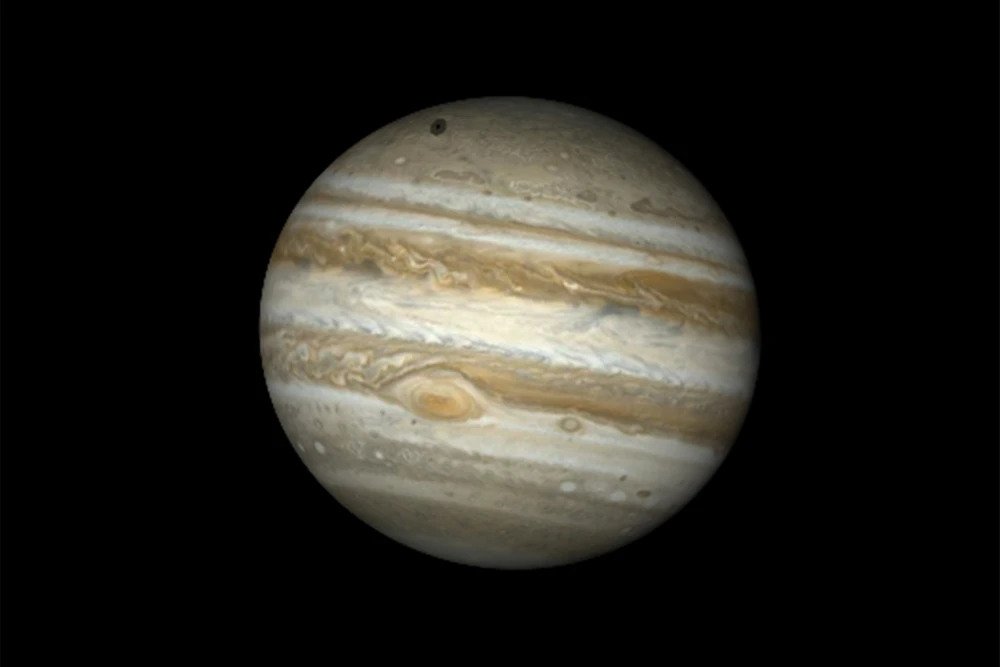
Jupiter held the record for the most moons in our solar system before Saturn's recent discoveries. However, Saturn has now surpassed Jupiter, making it the new reigning champion.
What are some of the smallest moons around Saturn?
Saturn has a diverse range of moons, including smaller ones. Some of the smallest known moons are Methone, Pallene, and Anthe, each measuring only a few kilometers in diameter.
Are any of Saturn's moons suitable for human exploration?
While human exploration of Saturn's moons remains a topic of scientific interest, Titan stands out as a potential candidate. Its dense atmosphere, organic chemistry, and potential for liquid bodies make it an intriguing destination for future exploration.
What spacecraft have explored Saturn's moons?
The Cassini spacecraft, launched by NASA in 1997, provided invaluable insights into Saturn and its moons during its mission, which ended in 2017. Cassini discovered plumes on Enceladus and provided detailed observations of Titan. Other missions, such as the upcoming Dragonfly mission, are planned to further explore Saturn's intriguing moons.
Why are Saturn's moons essential for understanding the solar system?
Saturn's diverse collection of moons offers valuable insights into the formation and evolution of our solar system. By studying these celestial bodies, scientists can gain a deeper understanding of planetary dynamics, moon formation processes, and the potential for habitable environments beyond Earth.
Saturn has once again taken the crown as the planet with the most moons in our solar system, surpassing Jupiter's record. With its awe-inspiring rings and a collection of diverse moons, Saturn continues to captivate our imagination and fuel scientific discovery. The recent discoveries of additional moons orbiting Saturn have opened up new avenues for exploration and deepened our understanding of the complex dynamics of our celestial neighborhood. As we continue to unravel the mysteries of Saturn and its moons, we inch closer to unraveling the secrets of our vast universe.