Scientists in Cyprus Use Drones to Enhance Artificial Reefs and Attract Marine Life
-
 Loading...
 - Chiara Accardi
- 17 Mar 2025
- 43 Views
- 0 Like
- 0 Comment
In an innovative approach to marine conservation, scientists in Cyprus are deploying a small swarm of autonomous underwater vehicles (AUVs) to monitor and support artificial reefs designed to attract sea life in otherwise barren marine environments. This initiative aims to enhance biodiversity and create sustainable habitats for various marine species.
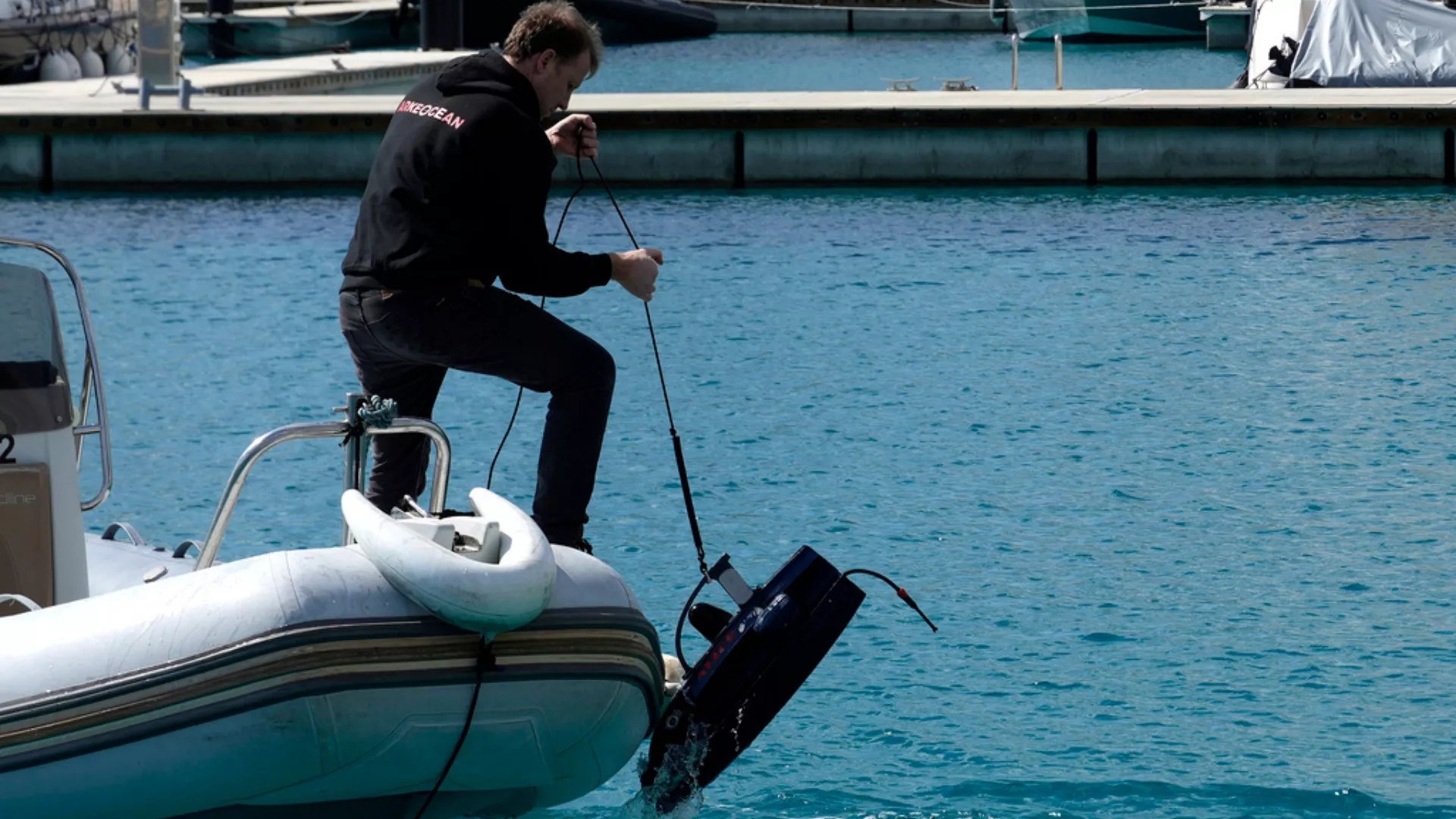
The project, known as EONIOS, involves the use of AUVs equipped with advanced sensors and high-definition cameras. These drones can remain submerged for up to a month, continuously collecting data and providing real-time monitoring of the artificial reefs. The reefs themselves are constructed using an environmentally friendly cement mixture and are designed with docking stations where the AUVs can recharge and transmit the data they gather, including video footage.
According to Zakarias Siokouros, CEO of the Cyprus Marine and Maritime Institute (CMMI), the data collected by the AUVs will help scientists assess the effectiveness of the artificial reefs in attracting marine life. The reefs are intended to create a suitable environment for fish and other marine organisms, particularly in areas where food sources are limited.
The deployment of AUVs offers several advantages. Their ability to operate autonomously for extended periods allows for continuous data collection without the need for human intervention. Additionally, the drones can help protect the reefs by monitoring for disturbances caused by illegal fishing or encroaching boats, enabling scientists to alert local authorities when necessary.
A trial run of the EONIOS project is currently underway off the coast of Ayia Napa, with plans to place the artificial reefs in waters near Limassol at a depth of around 20 meters, where sunlight can still penetrate the seabed. Siokouros emphasized the importance of these reefs, stating, "The reefs attract everything from vegetation to large fish, and for waters off Cyprus where there isn’t enough food for fish, we aim to create the appropriate environment to bring such fish there."
EONIOS is a collaborative effort involving the CMMI, French AUV manufacturer Arkeocean, Cypriot tech company SignalGeneriX, and French consultancy Lanego. The partnership aims to market the EONIOS system to other countries interested in enhancing their fish stocks through artificial reefs.
One of the key selling points of the AUVs is their cost-effectiveness. According to Tamara Brizard, an official from Arkeocean, the AUVs can provide surveillance, 3D data collection, and area protection at a significantly lower cost compared to traditional tethered submersibles. "Our goal is to make a system under which six of our mini-drones can do the same work for the price of one conventional drone," Brizard explained.
The AUVs used in this project are capable of carrying up to 5 kilograms of sensors and can operate at depths of up to 300 meters, with newer models being designed to reach depths of 3,000 meters. They utilize an attached acoustic antenna for communication and can pinpoint their location accurately. Their battery-powered thrusters make them stealthy and nearly undetectable, which could be beneficial for defense applications, such as surveillance in restricted waters.
Moreover, the AUVs can operate globally thanks to an Iridium satellite antenna, and they can harness undersea currents to extend their battery life. Beyond marine conservation, these submersibles have potential applications in the energy sector, including detecting seismic activity for offshore oil and gas exploration and identifying suitable locations for offshore wind and solar farms.
The use of drones in the EONIOS project represents a significant advancement in marine research and conservation efforts in Cyprus. By leveraging technology to monitor and enhance artificial reefs, scientists hope to foster a thriving marine ecosystem that benefits both local biodiversity and the fishing industry. As the project progresses, it may serve as a model for similar initiatives worldwide, promoting sustainable practices in marine environments.