Serbian PM Resigns After Months of Mass Protests
-
 Loading...
 - Hanha Farkas
- 28 Jan 2025
- 41 Views
- 0 Like
- 0 Comment
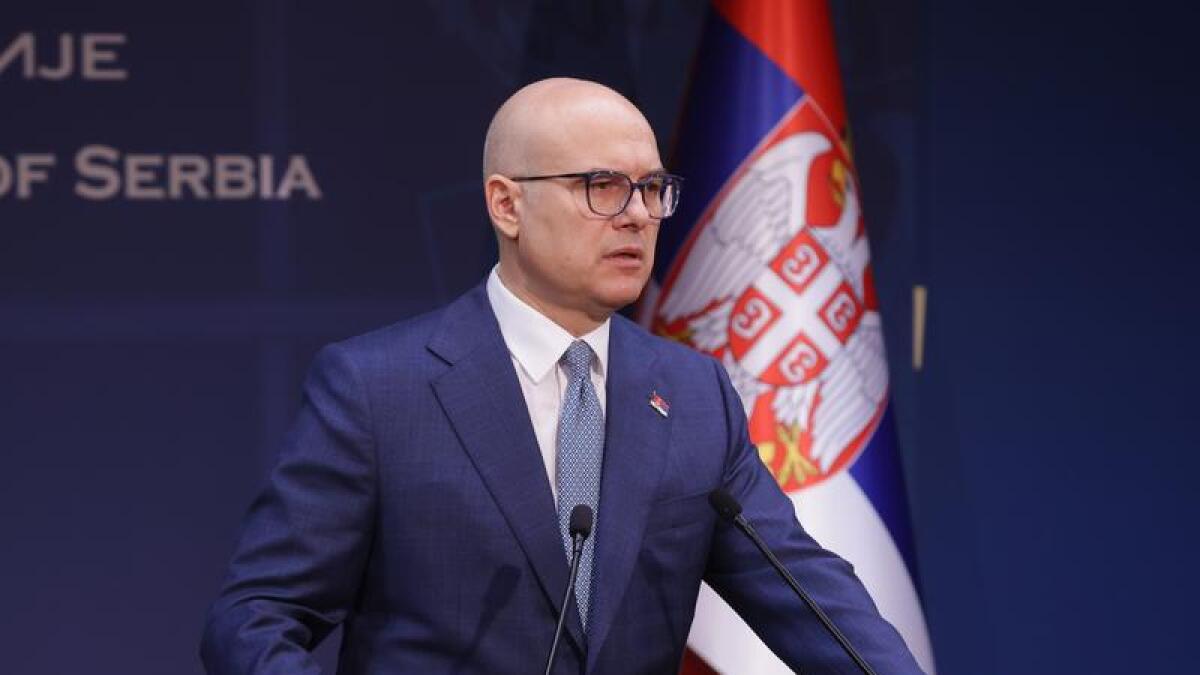
Serbian Prime Minister Milos Vucevic has announced his resignation following widespread protests triggered by the deadly collapse of a railway station canopy in Novi Sad. Vucevic stated that he made the decision "in order to avoid further complicating things" and to "not further raise tensions in society."
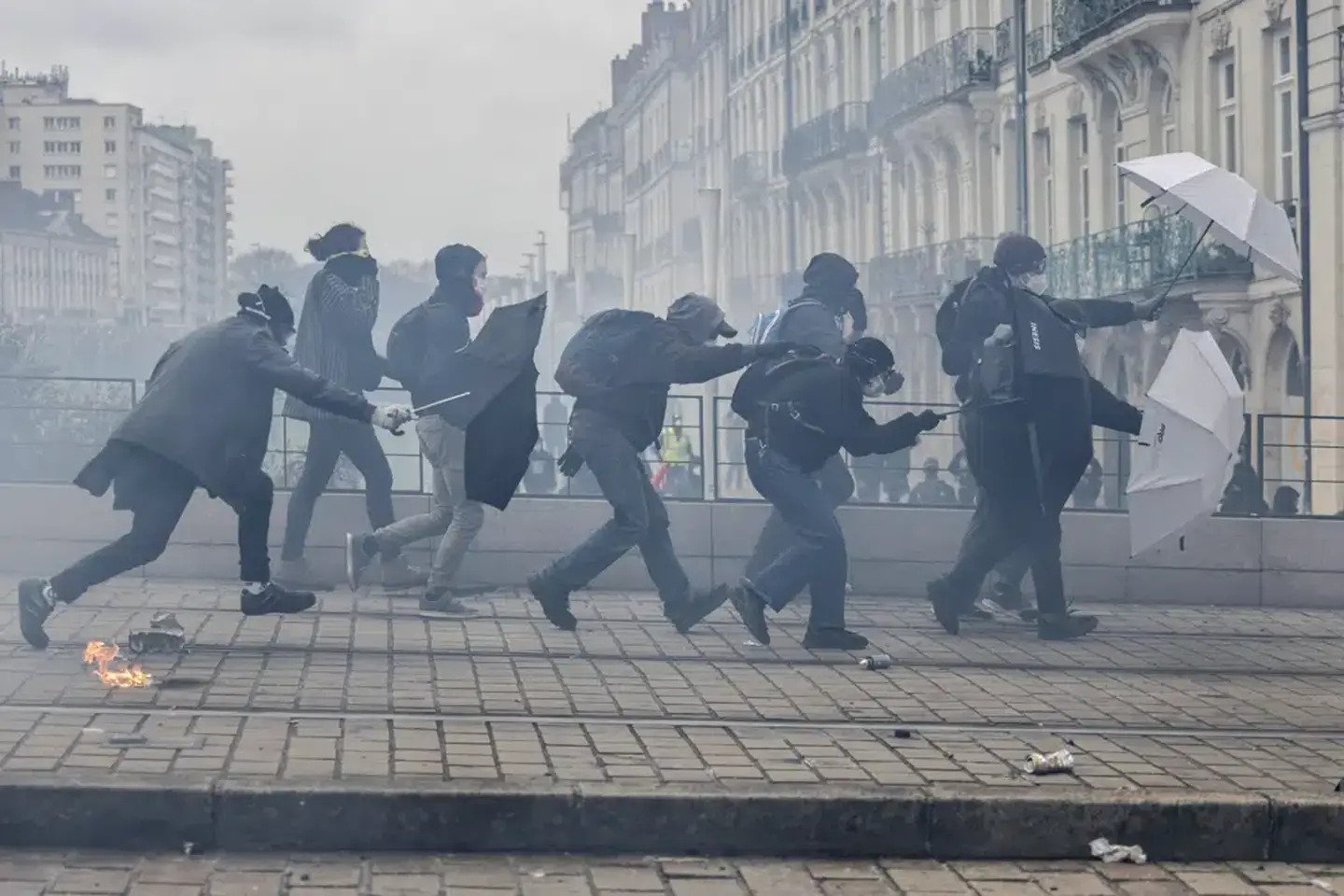
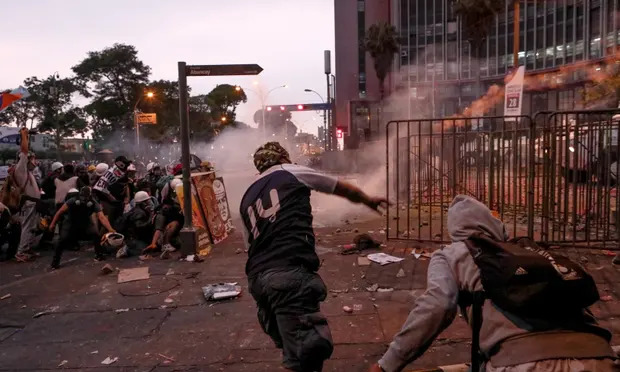
The tragic incident, which occurred in November, resulted in the deaths of fifteen people when a concrete canopy collapsed at the railway station. This disaster sparked a significant wave of protests across Serbia, with tens of thousands of citizens demanding accountability for the collapse and expressing their frustrations over corruption and inadequate oversight in construction projects.
In the wake of the incident, more than a dozen individuals have been charged, including former Transport Minister Goran Vesic, who resigned shortly after the tragedy. The protests have been notably led by students, who have organized daily demonstrations, blocked traffic, and staged sit-ins at universities for months. Last Friday, a general strike was called, leading many Serbians to stay off work, while a demonstration in December attracted an estimated 100,000 participants in Belgrade.
Tensions escalated on Monday during a blockade of a major road junction in Belgrade, where a female student was injured in clashes between opposition protesters and supporters of the governing party. In response, President Aleksandar Vucic announced that he would pardon students and university staff facing charges related to the protests and indicated a significant government reshuffle, expecting to replace more than half of the ministers.
Vucevic, who has been in office for less than a year and previously served as the mayor of Novi Sad, stated that the current mayor, Milan Djuric, would also resign to address the demands of the protesters. However, the effectiveness of these changes in appeasing the predominantly young demonstrators remains uncertain.
While Vucevic's resignation may appear significant, the real power in Serbia lies with President Vucic, a trusted ally of Vucevic. The resignation could potentially lead to parliamentary elections if a new prime minister is not appointed within 30 days of the National Assembly confirming the resignation. Vucic has also floated the idea of an "advisory referendum" regarding his role, suggesting he would step down if he lost that vote.
Despite the ruling Serbian Progressive Party's strong organization and dominance in the media landscape, the opposition remains fragmented and lacks substantial support. The response of the protesters will be crucial in determining the future political landscape in Serbia. If they perceive Vucevic's resignation as a meaningful change, the momentum of the protests may diminish. Conversely, if they choose to continue their demonstrations, the political turbulence in Serbia is likely to persist.