Serbian Protesters Demand Arrests After Railway Station Canopy Collapse Kills 14
-
 Loading...
 - Giorgia Parisi
- 04 Nov 2024
- 37 Views
- 0 Like
- 0 Comment
In a tragic incident that has shaken the nation, a concrete canopy at the railway station in Novi Sad, Serbia, collapsed on Friday, resulting in the deaths of 14 people and injuring three others. The canopy, which extended along the front of the station, fell suddenly, crushing individuals who were sitting on benches or passing through the entrance. Among the deceased was a 6-year-old girl, and the injuries sustained by the three survivors were severe enough to necessitate limb amputations.
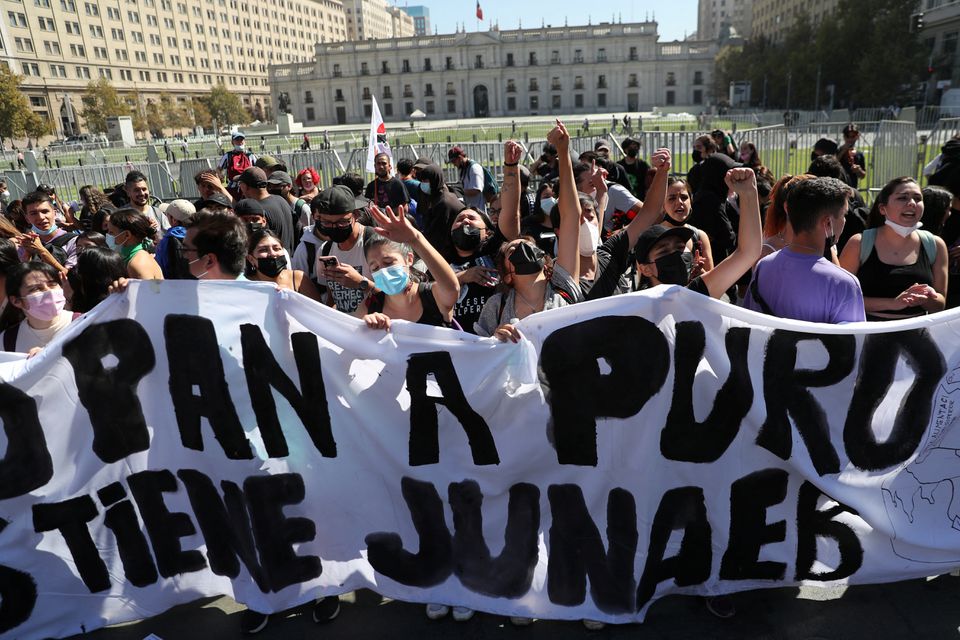
In the wake of this disaster, thousands of protesters took to the streets of Belgrade, demanding accountability from government officials. Demonstrators left red handprints at the entrances of government buildings as a symbolic gesture of their grief and anger. The protests were particularly focused on the Ministry of Construction and Infrastructure, where police formed a cordon to manage the crowd.
Protesters called for the resignation of key government figures, including Prime Minister Milos Vucevic and Goran Vesić, the Minister of Construction, Transport, and Infrastructure. Ivan Bjelic, a protester, articulated the sentiment of many, stating, "What we pointed out today is the responsibility, responsibility of those sitting in the government and ministries that are responsible for the tragedies that happened." He emphasized that Vesić should resign, asserting that accountability is a standard practice in "normal countries."
The railway station in Novi Sad had undergone renovations twice in recent years, with critics attributing the collapse to systemic issues such as rampant corruption, lack of transparency, and poor construction practices. The renovations were part of a broader agreement with Chinese construction companies, raising concerns about the quality and oversight of the work done.
Liberal politician Biljana Stojković expressed the growing frustration among citizens, stating, "Citizens no longer have anything to lose; they are increasingly becoming aware of this." She described the situation as a mix of grief, anger, and despair that is evolving into rage against the government.
Funerals for the victims have been held across northern Serbia, attended by thousands who came to pay their respects. The collective mourning has underscored the profound impact of the tragedy on the community and the nation as a whole.
In response to the outcry, Serbia's populist government has promised a thorough investigation into the incident. Prosecutors have reportedly questioned more than two dozen individuals as part of their inquiry. However, skepticism remains high among critics who doubt that justice will be served, given the populists' firm control over the judicial system and law enforcement.
As the protests continue and calls for accountability grow louder, the tragic collapse at the Novi Sad railway station has ignited a broader conversation about governance, safety standards, and the need for systemic reform in Serbia. The incident serves as a stark reminder of the potential consequences of negligence and corruption, prompting citizens to demand change in a country grappling with deep-seated issues.