She Published a Blockbuster Book. Was It a Blessing or a Curse?
-
 Loading...
 - Oscar Ituen
- 15 Jan 2025
- 32 Views
- 0 Like
- 0 Comment
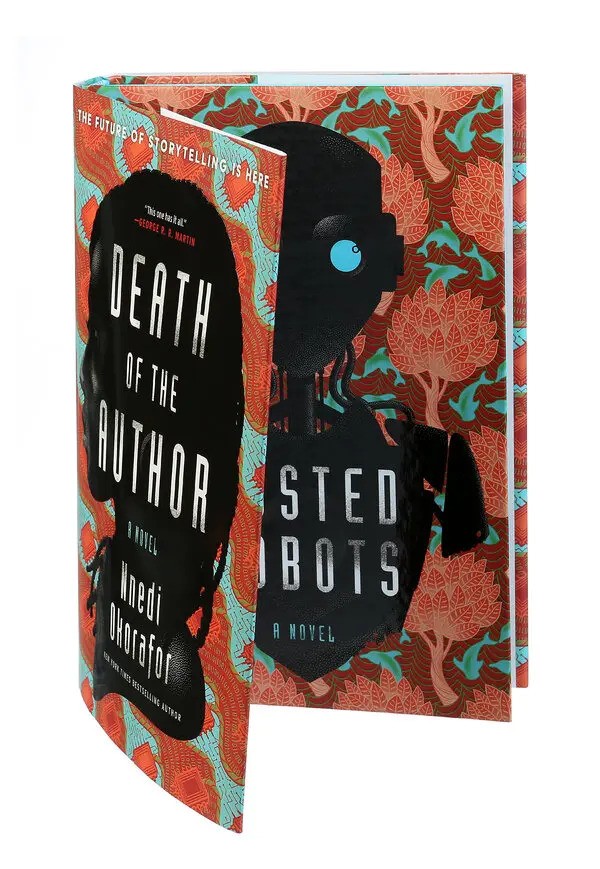
In Nnedi Okorafor’s latest novel, “Death of the Author,” readers are taken on a compelling journey through the life of Zelunjo Onyenezi-Onyedele, a Nigerian American writer whose life transforms dramatically after her book becomes a bestseller. This spellbinding narrative explores themes of power, privilege, agency, and the complexities of art, all while questioning the very nature of authorship and identity.
In 2019, Okorafor expressed her frustration with being labeled an “afrofuturist” and instead coined the term “africanfuturist” to better reflect her roots and the cultural context of her work. This desire to reclaim her identity resonates throughout “Death of the Author,” as Zelu grapples with societal expectations and her own aspirations. Born to successful Nigerian immigrants in Chicago, Zelu feels the weight of her family’s expectations, especially as her siblings pursue prestigious careers while she navigates the challenges of being a creative writing professor and a paraplegic.
Zelu’s journey begins with setbacks, including a harsh critique that leads to her dismissal from a teaching position and repeated rejections of her writing. However, she channels her frustrations into a new project: a science fiction novel titled “Rusted Robots.” Set in a post-apocalyptic Nigeria, the novel becomes a surprising success, earning her a lucrative book deal and a Hollywood film option. The story takes a pivotal turn when Dr. Hugo Wagner from M.I.T. offers to create robotic legs for her, presenting Zelu with an opportunity that could change her life.
As Zelu’s fame grows, so do the challenges she faces. Her family’s skepticism about her newfound success and the offer from Dr. Wagner weighs heavily on her. Her mother’s dismissive comment, “What’s special about you?” echoes throughout Zelu’s journey, forcing her to confront her own insecurities and the expectations placed upon her.
Despite the support she seeks from her loved ones, Zelu’s determination to pursue her dreams leads her to M.I.T., where she faces the complexities of privilege and representation. A journalist’s critique of her ability to serve as a role model for people with disabilities who lack access to advanced technology ignites a social media backlash, forcing Zelu to navigate the treacherous waters of public perception and personal accountability.
Okorafor skillfully intertwines Zelu’s story with excerpts from “Rusted Robots,” featuring Ankara, a robot protagonist who shares Zelu’s passion for storytelling. This dual narrative invites readers to explore the connections between Zelu and her characters, blurring the lines between creator and creation. Ankara’s antagonist, an A.I. entity named Ijele, challenges the notion of physicality, asserting that “Body is not a god,” suggesting that the human experience transcends physical limitations.
While these excerpts enrich the narrative, they occasionally feel heavy with world-building, contrasting with the more fluid and grounded aspects of Zelu’s life. However, they serve a crucial purpose in addressing the novel’s central theme: the intricate relationship between artists and their art.
As the story unfolds, Okorafor delivers a surprising twist that subverts the reader’s understanding of authorship and the connection between Zelu and her work. This revelation prompts a reevaluation of the narrative, leaving readers both delighted and disoriented. The exploration of identity, creativity, and the societal pressures that shape an artist’s journey resonates deeply, inviting reflection on the nature of success and the sacrifices that often accompany it.
In “Death of the Author,” Nnedi Okorafor crafts a rich tapestry of ambition, resilience, and the quest for self-definition. Through Zelu’s journey, readers are reminded of the complexities of navigating personal and societal expectations, ultimately questioning whether her blockbuster success is a blessing or a curse. The novel stands as a testament to the power of storytelling and the enduring struggle for authenticity in a world that often seeks to define us.