Home Upload Photo Upload Videos Write a Blog Analytics Messaging Streaming Create Adverts Creators Program
Bebuzee Afghanistan Bebuzee Albania Bebuzee Algeria Bebuzee Andorra Bebuzee Angola Bebuzee Antigua and Barbuda Bebuzee Argentina Bebuzee Armenia Bebuzee Australia Bebuzee Austria Bebuzee Azerbaijan Bebuzee Bahamas Bebuzee Bahrain Bebuzee Bangladesh Bebuzee Barbados Bebuzee Belarus Bebuzee Belgium Bebuzee Belize Bebuzee Benin Bebuzee Bhutan Bebuzee Bolivia Bebuzee Bosnia and Herzegovina Bebuzee Botswana Bebuzee Brazil Bebuzee Brunei Bebuzee Bulgaria Bebuzee Burkina Faso Bebuzee Burundi Bebuzee Cabo Verde Bebuzee Cambodia Bebuzee Cameroon Bebuzee Canada Bebuzee Central African Republic Bebuzee Chad Bebuzee Chile Bebuzee China Bebuzee Colombia Bebuzee Comoros Bebuzee Costa Rica Bebuzee Côte d'Ivoire Bebuzee Croatia Bebuzee Cuba Bebuzee Cyprus Bebuzee Czech Republic Bebuzee Democratic Republic of the Congo Bebuzee Denmark Bebuzee Djibouti Bebuzee Dominica Bebuzee Dominican Republic Bebuzee Ecuador Bebuzee Egypt Bebuzee El Salvador Bebuzee Equatorial Guinea Bebuzee Eritrea Bebuzee Estonia Bebuzee Eswatini Bebuzee Ethiopia Bebuzee Fiji Bebuzee Finland Bebuzee France Bebuzee Gabon Bebuzee Gambia Bebuzee Georgia Bebuzee Germany Bebuzee Ghana Bebuzee Greece Bebuzee Grenada Bebuzee Guatemala Bebuzee Guinea Bebuzee Guinea-Bissau Bebuzee Guyana Bebuzee Haiti Bebuzee Honduras Bebuzee Hong Kong Bebuzee Hungary Bebuzee Iceland Bebuzee India Bebuzee Indonesia Bebuzee Iran Bebuzee Iraq Bebuzee Ireland Bebuzee Israel Bebuzee Italy Bebuzee Jamaica Bebuzee Japan Bebuzee Jordan Bebuzee Kazakhstan Bebuzee Kenya Bebuzee Kiribati Bebuzee Kuwait Bebuzee Kyrgyzstan Bebuzee Laos Bebuzee Latvia Bebuzee Lebanon Bebuzee Lesotho Bebuzee Liberia Bebuzee Libya Bebuzee Liechtenstein Bebuzee Lithuania Bebuzee Luxembourg Bebuzee Madagascar Bebuzee Malawi Bebuzee Malaysia Bebuzee Maldives Bebuzee Mali Bebuzee Malta Bebuzee Marshall Islands Bebuzee Mauritania Bebuzee Mauritius Bebuzee Mexico Bebuzee Micronesia Bebuzee Moldova Bebuzee Monaco Bebuzee Mongolia Bebuzee Montenegro Bebuzee Morocco Bebuzee Mozambique Bebuzee Myanmar Bebuzee Namibia Bebuzee Nauru Bebuzee Nepal Bebuzee Netherlands Bebuzee New Zealand Bebuzee Nicaragua Bebuzee Niger Bebuzee Nigeria Bebuzee North Korea Bebuzee North Macedonia Bebuzee Norway Bebuzee Oman Bebuzee Pakistan Bebuzee Palau Bebuzee Panama Bebuzee Papua New Guinea Bebuzee Paraguay Bebuzee Peru Bebuzee Philippines Bebuzee Poland Bebuzee Portugal Bebuzee Qatar Bebuzee Republic of the Congo Bebuzee Romania Bebuzee Russia Bebuzee Rwanda Bebuzee Saint Kitts and Nevis Bebuzee Saint Lucia Bebuzee Saint Vincent and the Grenadines Bebuzee Samoa Bebuzee San Marino Bebuzee São Tomé and Príncipe Bebuzee Saudi Arabia Bebuzee Senegal Bebuzee Serbia Bebuzee Seychelles Bebuzee Sierra Leone Bebuzee Singapore Bebuzee Slovakia Bebuzee Slovenia Bebuzee Solomon Islands Bebuzee Somalia Bebuzee South Africa Bebuzee South Korea Bebuzee South Sudan Bebuzee Spain Bebuzee Sri Lanka Bebuzee Sudan Bebuzee Suriname Bebuzee Sweden Bebuzee Switzerland Bebuzee Syria Bebuzee Taiwan Bebuzee Tajikistan Bebuzee Tanzania Bebuzee Thailand Bebuzee Timor-Leste Bebuzee Togo Bebuzee Tonga Bebuzee Trinidad and Tobago Bebuzee Tunisia Bebuzee Turkey Bebuzee Turkmenistan Bebuzee Tuvalu Bebuzee Uganda Bebuzee Ukraine Bebuzee United Arab Emirates Bebuzee United Kingdom Bebuzee Uruguay Bebuzee Uzbekistan Bebuzee Vanuatu Bebuzee Venezuela Bebuzee Vietnam Bebuzee World Wide Bebuzee Yemen Bebuzee Zambia Bebuzee Zimbabwe
Blog Image

Sinuous sculptures by Mexican artist Geles Cabrera resurface in Americas Society exhibition

The sculptor and museum founder has had a prolific career spanning more than six decades but remains little-known outside of Mexico

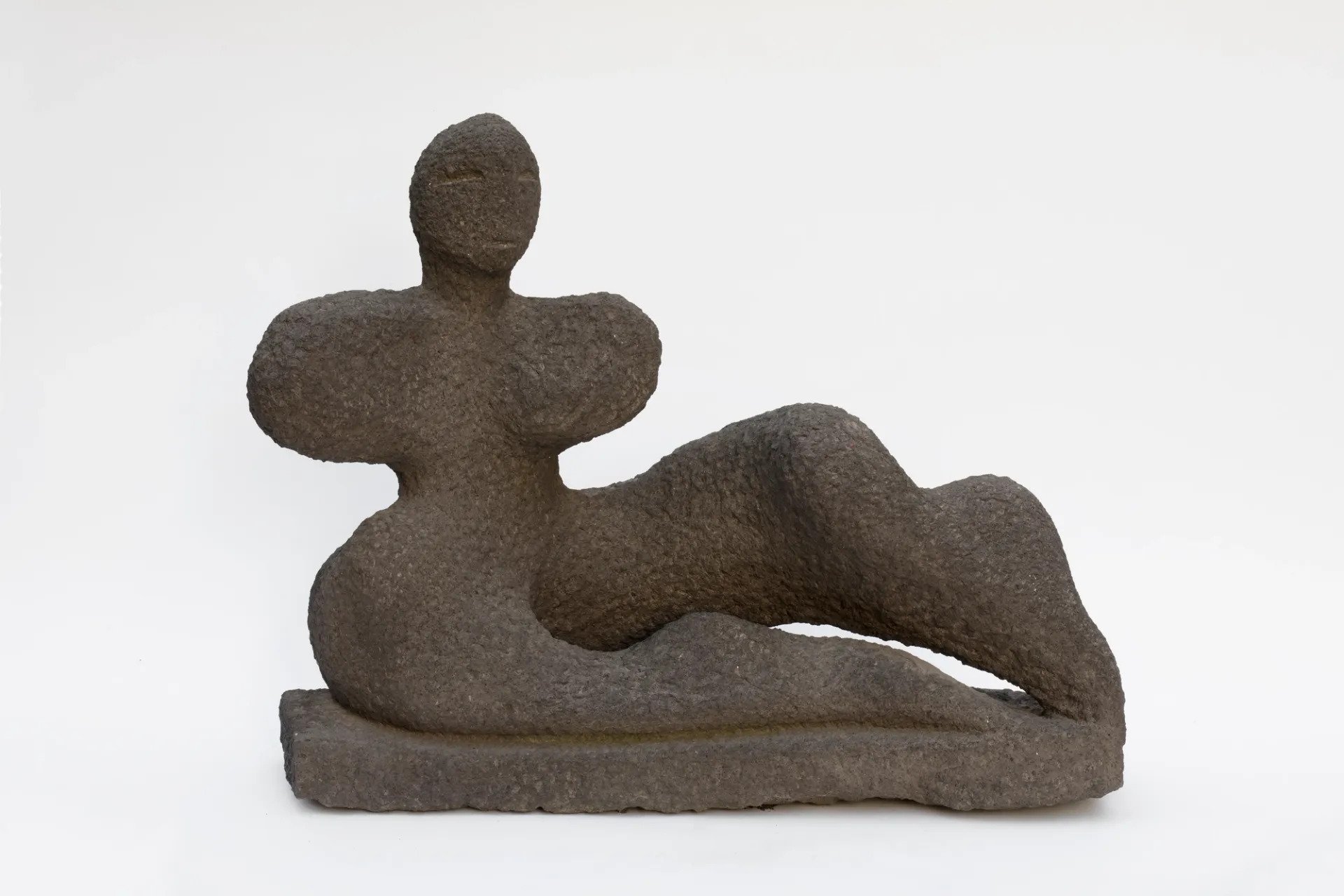
An exhibition at the Americas Society in New York aims to reinstitute the prolific Mexican sculptor Geles Cabrera, an artist who created rhythmic studies of the human form for more than six decades but remains little-known outside of Mexico. The show partly recreates the museum Cabrera founded in the 1960s to showcase her work, comprising 50 compelling carved sculptures, some that could be likened to pre-Columbian phallic and fertility symbols and ceremonial objects.

Cabrera was born in 1926 and studied at the Academia Nacional de San Carlos and La Esmeralda. In her formative years, she was trained in drawing and painting and performed in an avant-garde dance company, an influence that would be evident as she shifted her focus to sculpture.

“There’s a lightness and movement in her work,” says the curator Rachel Remick, who co-curated the exhibition with Aimé Iglesias Lukin, the organisation’s chief curator and director of visual artists, and the curator Tie Jojima. “She’s attentive to posing and the shape of the body and visual cues related to gender and how that is expressed.”

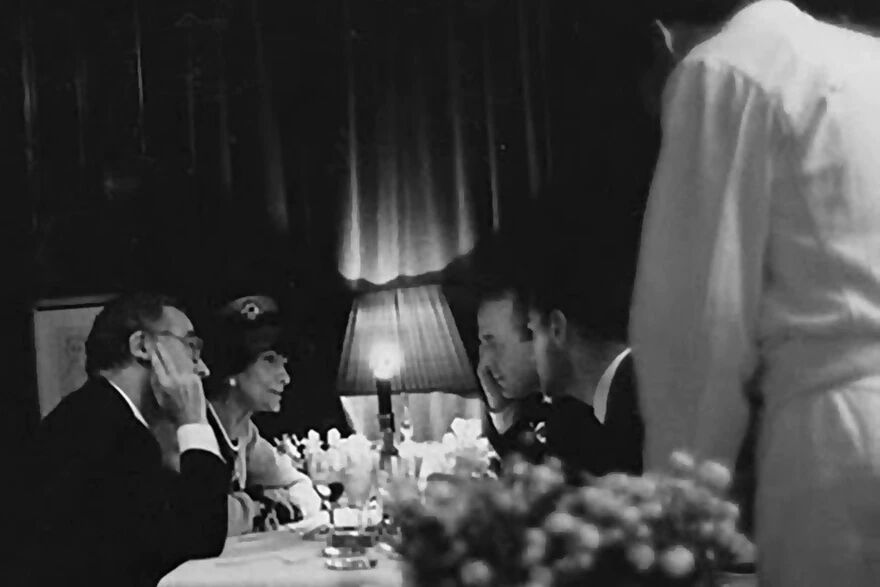
The show begins with archival documentation of Cabrera’s career, from exhibition pamphlets to photographs ranging from her first solo exhibition in 1949 to her posing with the artist with Wilfredo Lam.
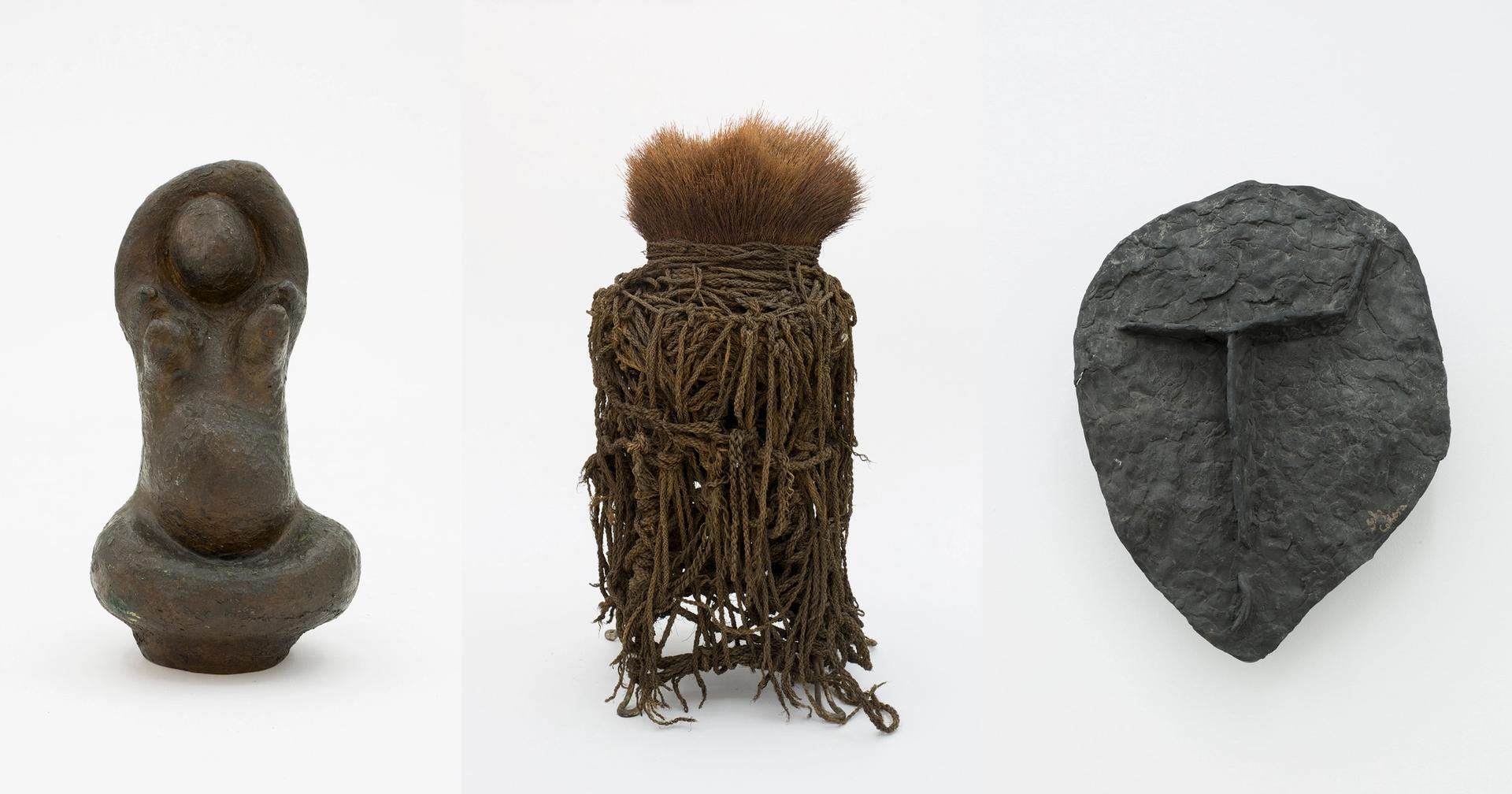
 

Some of the most striking examples of works in the show are made with mediums like volcanic rock and bronze, and Cabrera’s artistic progression is marked by her use of materials. “The more figural works draw from her more academic and Classical training but are also apparent in the later abstract pieces she did between the 1960s and 1980s, when she began working with materials like plexiglass or metal or even natural fibers and papier-mâché,” Remick says.

In 1966, the artist founded the Museo Escultórico Geles Cabrera, a museum to showcase her work that was an extension of her home in the Coyoacán neighbourhood. The privately-funded museum remained open until 2006 and was a testament to Cabera’s pioneering contributions to Mexican sculpture.

“Although it was unusual for women to work in sculpture when she started, Cabrera did have a degree of professional success throughout her career,” Remick says. “But she also founded the museum to create a space outside of the structures of professional artistic success because she didn’t fit into boxes popular in Mexican art at the time, as a woman sculptor rather than a Muralist or painter, for example.”

Remick adds the museum had a community-minded spirit, and that Cabrera often held shows devoted to other artists. “The museum was free and open to the public and a means to invite her community to see art instead of allowing artists to watch their own art alone in their studios. The sculpture garden was made up of her pieces, but the museum itself manifested into a significant public art project.”
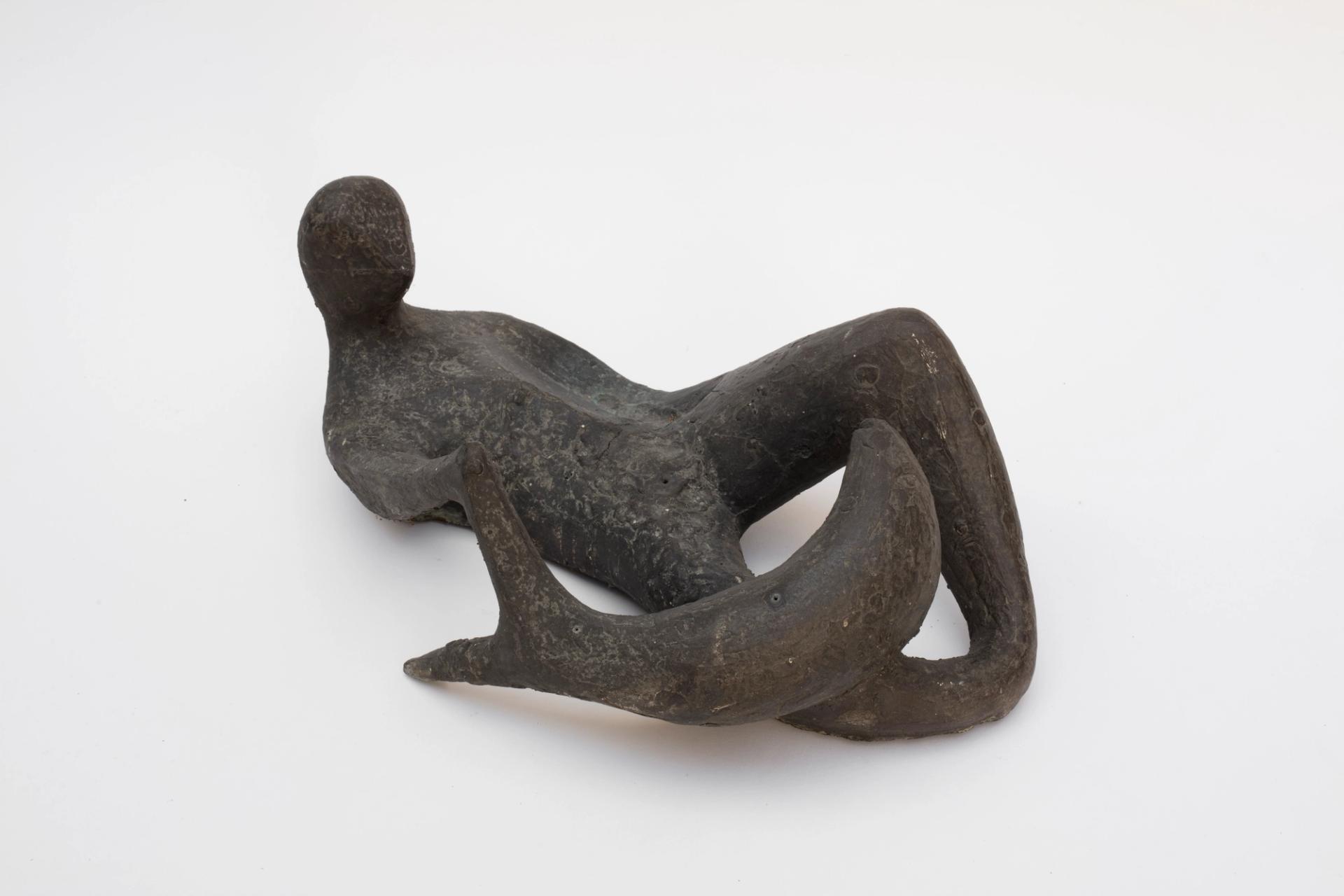
The exhibition is the first show in the institution’s inaugural curatorial focus on overlooked women artists.  “We’re focusing on people like Cabrera who have been understudied and just generally expanding scholarship on female voices in the arts.”

The Mexican artist Pedro Reyes, who loaned several works in the exhibition, organised the first museum survey devoted to Cabrera at the Museo Experimental el Eco in Mexico City in 2018. Read More...

 

Previous Post

On the business end of art: stories of foreign-owned galleries in Mexico

Next Post

Art exhibition celebrates Pakistan-Việt Nam ties

Comments