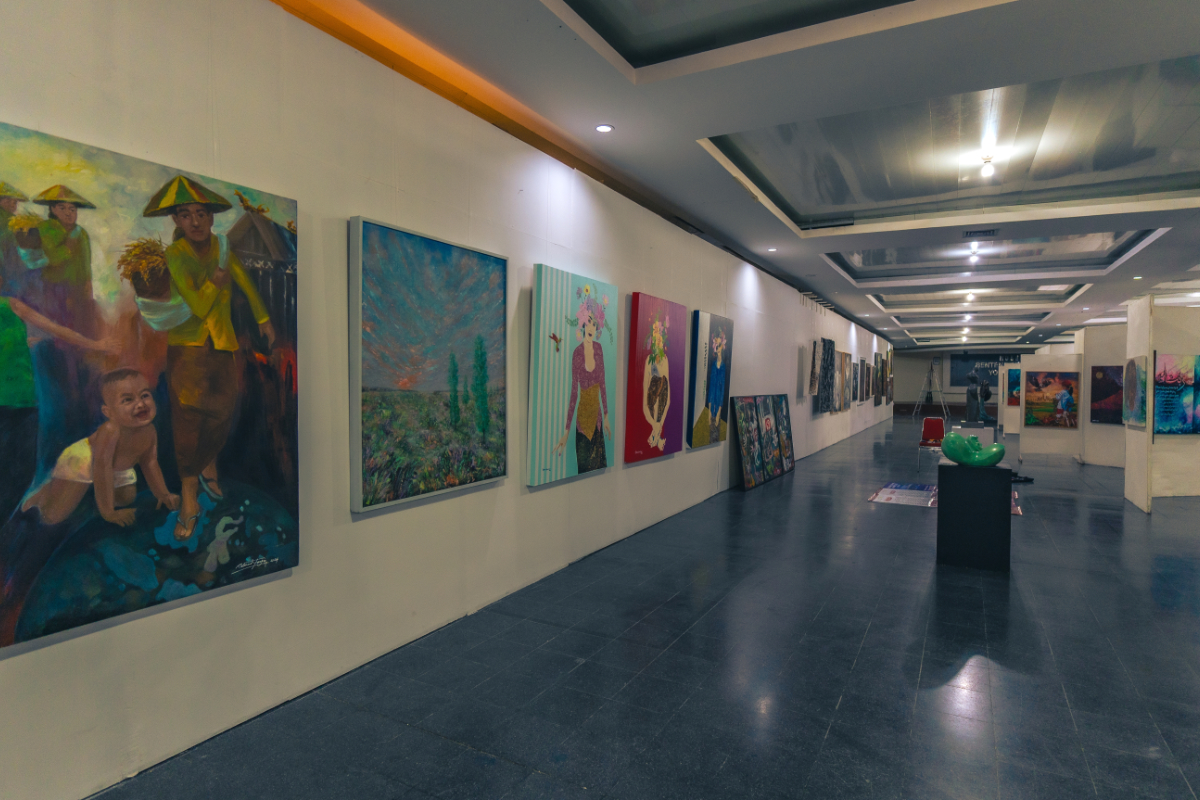
Exploring the Potential of the Art Market in Indonesia

The beauty of Indonesian artworks has been recognized for centuries, and the quality of these works is truly exceptional. The number of domestic artworks is a clear testament to the enormous potential of the fine arts subsector. Regarding quality, quantity, creative actors, productivity, and market potential, the fine arts subsector is a force to be reckoned with. The various works of art made by Indonesian artists play a crucial role in supporting the growth of the creative economy sector.
Data from the Tourism and Creative Economy Outlook 2020/2021 shows that the fine arts subsector contributed IDR 2.64 trillion to the national GDP in 2020, thanks to the efforts of 51,721 individuals employed in the sector. This substantial contribution underscores the importance of the fine arts industry in bolstering the national economy.
The growing Indonesian fine arts market provides fresh air for the creative economy subsector. It supports the growth of the creative economy and demonstrates that the quality of Indonesian artists' work is competitive in the international market. This is evident from the increasing participation of local artists in overseas exhibitions.
Local Artists Exhibit Abroad
Indonesian artists are making waves on the global stage, showcasing their talents and creativity at international exhibitions. Here are a few notable examples:
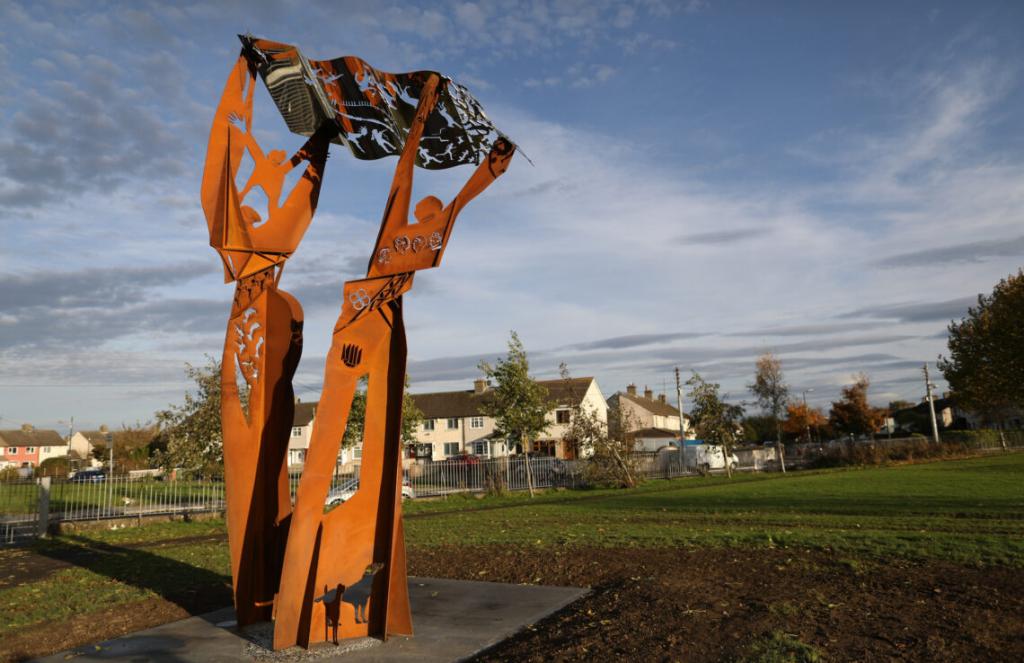
1. Roby Dwi Antono: Roby Dwi Antono, a young artist from Ambarawa, recently exhibited his 1.2-ton bronze sculpture "Nalakala" at Passeig Vara de Rey in Ibiza, Spain, as part of the CAN Art Fair 2024. His work captivated audiences and highlighted the prowess of Indonesian sculptors.
2. Yunizar: Yunizar, an artist from Talawi, North Sumatra, has gained international recognition for his bronze sculptures. He successfully exhibited his work at the 9th edition of the renowned Frieze Sculpture event at The Regent's Park, London, in 2021. Yunizar's journey also includes a solo exhibition at the National University of Singapore (NUS) Museum in 2007.
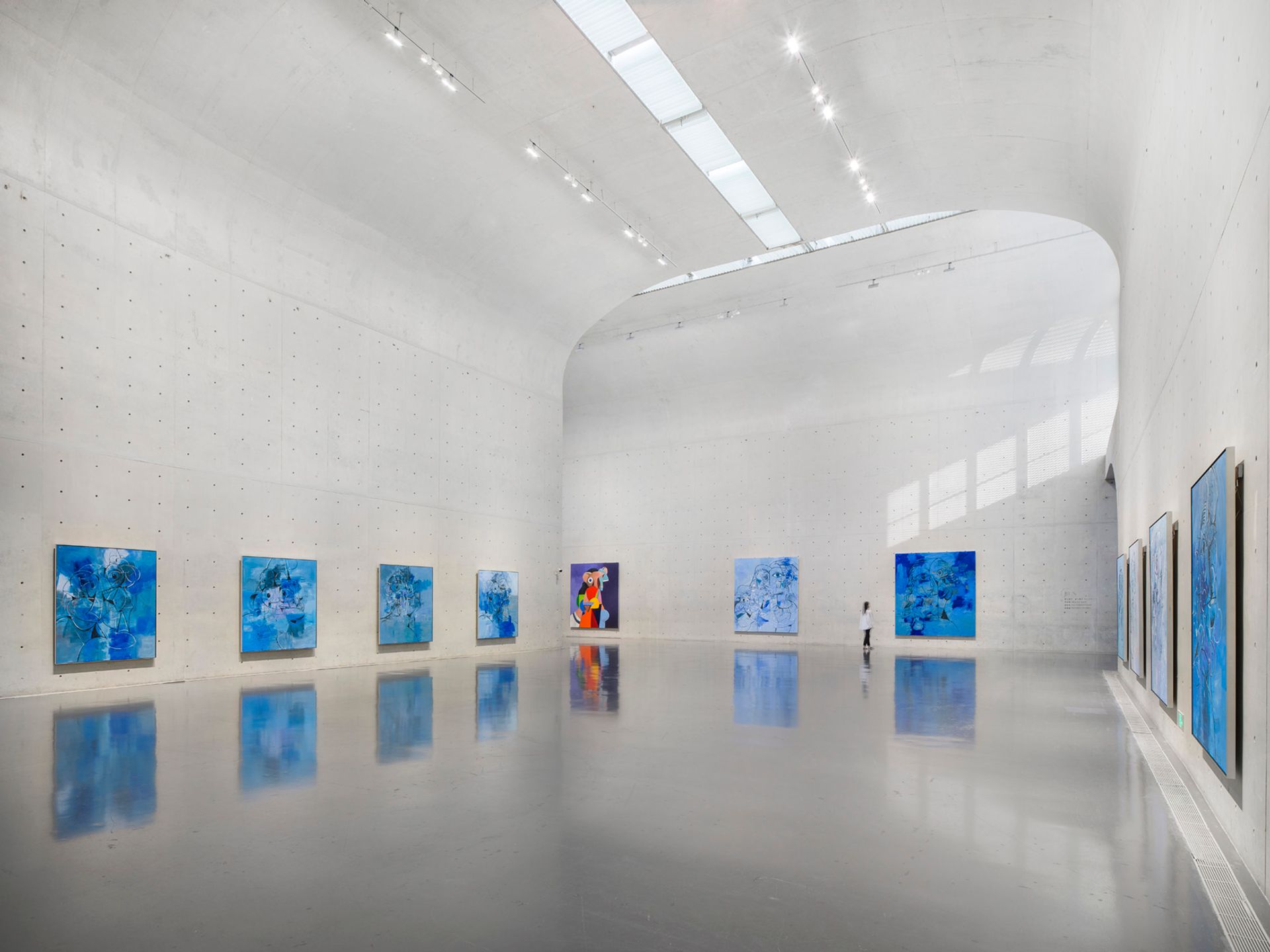
3. Ronnie Jiang: Indonesian painting artist Ronnie Jiang showcased his work at the 2021 Destructuralism Figurative (DF) Art Project exhibition in Paris. His paintings, characterized by the deconstruction of faces and unique color combinations, received widespread acclaim.
Other Notable Artists
Many other Indonesian artists have exhibited their work abroad. Naufal Abshar had an exhibition in Lithuania, while Jerry Thunggaltira, a contemporary painter, displayed his paintings at the International Art Symposium in Jordan, winning the Creative Art Work Winner Award.
Adaptation to Digital Art
Technological advancements have expanded the market for the fine arts sector, particularly with the emergence of NFTs (Non-fungible Tokens). NFTs provide artists with a platform to showcase their digital work, offering immense potential and opportunities for creative industry players.
NFTs make sharing art globally easier and simplify the buying and selling process. Transactions occur online, allowing artists to sell one-of-a-kind and authentic pieces at competitive prices. Additionally, NFT technology ensures that artists benefit not only from the initial sale but also receive royalties and profits from all subsequent sales.
To promote the seamless integration of NFTs in the fine arts subsector, the Ministry of Tourism and Creative Economy/Board of Tourism and Creative Economy (Kemenparekraf/Baparekraf) is hosting a free "Illustration and NFT Introduction Class." This initiative aims to help artists transition their art sales to the digital realm through NFTs, providing them with the necessary skills and knowledge.
The Indonesian fine arts market is brimming with potential, driven by the exceptional talent of local artists and the growing global recognition of their work. With continued support and adaptation to new technologies like NFTs, the fine arts subsector is poised for significant growth, contributing to the creative economy and bolstering the national GDP.