Home Upload Photo Upload Videos Write a Blog Analytics Messaging Streaming Create Adverts Creators Program
Bebuzee Afghanistan Bebuzee Albania Bebuzee Algeria Bebuzee Andorra Bebuzee Angola Bebuzee Antigua and Barbuda Bebuzee Argentina Bebuzee Armenia Bebuzee Australia Bebuzee Austria Bebuzee Azerbaijan Bebuzee Bahamas Bebuzee Bahrain Bebuzee Bangladesh Bebuzee Barbados Bebuzee Belarus Bebuzee Belgium Bebuzee Belize Bebuzee Benin Bebuzee Bhutan Bebuzee Bolivia Bebuzee Bosnia and Herzegovina Bebuzee Botswana Bebuzee Brazil Bebuzee Brunei Bebuzee Bulgaria Bebuzee Burkina Faso Bebuzee Burundi Bebuzee Cabo Verde Bebuzee Cambodia Bebuzee Cameroon Bebuzee Canada Bebuzee Central African Republic Bebuzee Chad Bebuzee Chile Bebuzee China Bebuzee Colombia Bebuzee Comoros Bebuzee Costa Rica Bebuzee Côte d'Ivoire Bebuzee Croatia Bebuzee Cuba Bebuzee Cyprus Bebuzee Czech Republic Bebuzee Democratic Republic of the Congo Bebuzee Denmark Bebuzee Djibouti Bebuzee Dominica Bebuzee Dominican Republic Bebuzee Ecuador Bebuzee Egypt Bebuzee El Salvador Bebuzee Equatorial Guinea Bebuzee Eritrea Bebuzee Estonia Bebuzee Eswatini Bebuzee Ethiopia Bebuzee Fiji Bebuzee Finland Bebuzee France Bebuzee Gabon Bebuzee Gambia Bebuzee Georgia Bebuzee Germany Bebuzee Ghana Bebuzee Greece Bebuzee Grenada Bebuzee Guatemala Bebuzee Guinea Bebuzee Guinea-Bissau Bebuzee Guyana Bebuzee Haiti Bebuzee Honduras Bebuzee Hong Kong Bebuzee Hungary Bebuzee Iceland Bebuzee India Bebuzee Indonesia Bebuzee Iran Bebuzee Iraq Bebuzee Ireland Bebuzee Israel Bebuzee Italy Bebuzee Jamaica Bebuzee Japan Bebuzee Jordan Bebuzee Kazakhstan Bebuzee Kenya Bebuzee Kiribati Bebuzee Kuwait Bebuzee Kyrgyzstan Bebuzee Laos Bebuzee Latvia Bebuzee Lebanon Bebuzee Lesotho Bebuzee Liberia Bebuzee Libya Bebuzee Liechtenstein Bebuzee Lithuania Bebuzee Luxembourg Bebuzee Madagascar Bebuzee Malawi Bebuzee Malaysia Bebuzee Maldives Bebuzee Mali Bebuzee Malta Bebuzee Marshall Islands Bebuzee Mauritania Bebuzee Mauritius Bebuzee Mexico Bebuzee Micronesia Bebuzee Moldova Bebuzee Monaco Bebuzee Mongolia Bebuzee Montenegro Bebuzee Morocco Bebuzee Mozambique Bebuzee Myanmar Bebuzee Namibia Bebuzee Nauru Bebuzee Nepal Bebuzee Netherlands Bebuzee New Zealand Bebuzee Nicaragua Bebuzee Niger Bebuzee Nigeria Bebuzee North Korea Bebuzee North Macedonia Bebuzee Norway Bebuzee Oman Bebuzee Pakistan Bebuzee Palau Bebuzee Panama Bebuzee Papua New Guinea Bebuzee Paraguay Bebuzee Peru Bebuzee Philippines Bebuzee Poland Bebuzee Portugal Bebuzee Qatar Bebuzee Republic of the Congo Bebuzee Romania Bebuzee Russia Bebuzee Rwanda Bebuzee Saint Kitts and Nevis Bebuzee Saint Lucia Bebuzee Saint Vincent and the Grenadines Bebuzee Samoa Bebuzee San Marino Bebuzee São Tomé and Príncipe Bebuzee Saudi Arabia Bebuzee Senegal Bebuzee Serbia Bebuzee Seychelles Bebuzee Sierra Leone Bebuzee Singapore Bebuzee Slovakia Bebuzee Slovenia Bebuzee Solomon Islands Bebuzee Somalia Bebuzee South Africa Bebuzee South Korea Bebuzee South Sudan Bebuzee Spain Bebuzee Sri Lanka Bebuzee Sudan Bebuzee Suriname Bebuzee Sweden Bebuzee Switzerland Bebuzee Syria Bebuzee Taiwan Bebuzee Tajikistan Bebuzee Tanzania Bebuzee Thailand Bebuzee Timor-Leste Bebuzee Togo Bebuzee Tonga Bebuzee Trinidad and Tobago Bebuzee Tunisia Bebuzee Turkey Bebuzee Turkmenistan Bebuzee Tuvalu Bebuzee Uganda Bebuzee Ukraine Bebuzee United Arab Emirates Bebuzee United Kingdom Bebuzee United States Bebuzee Uruguay Bebuzee Uzbekistan Bebuzee Vanuatu Bebuzee Venezuela Bebuzee Vietnam Bebuzee World Wide Bebuzee Yemen Bebuzee Zambia Bebuzee Zimbabwe
Blog Image

Smarter Than You Think: Scientists Find That Dogs Have Complex Mental Images of Familiar Things

Inside a dog’s mind: Dogs have a “multi-modal mental image” of their familiar items

Many dog lovers are curious about what goes on in the minds of their furry pals. Fortunately, the answer is now within reach for scientists. Researchers from Budapest’s Family Dog Project discovered that dogs have a “multi-modal mental image” of their familiar objects in a new study that was recently published in the journal Animal Cognition. This implies that dogs visualize the many sensory aspects of an item when they think about it. For instance, taking into account how it looks or smells.

Scientists made the assumption that the senses that dogs employ to recognize items, such as their toys, correspond to how those objects are conceptualized in their brains. “If we can understand which senses dogs use while searching for a toy, this may reveal how they think about it” explains Shany Dror, one of the leading researchers of this study. “When dogs use olfaction or sight while searching for a toy, this indicates that they know how that toy smells or looks like.”

In previous studies, the researchers discovered that only a few uniquely gifted dogs can learn the names of objects. “These Gifted Word Learner dogs give us a glimpse into their minds, and we can discover what they think about when we ask them – Where is your Teddy Bear?” explains Dr. Andrea Sommese, the second leading researcher.

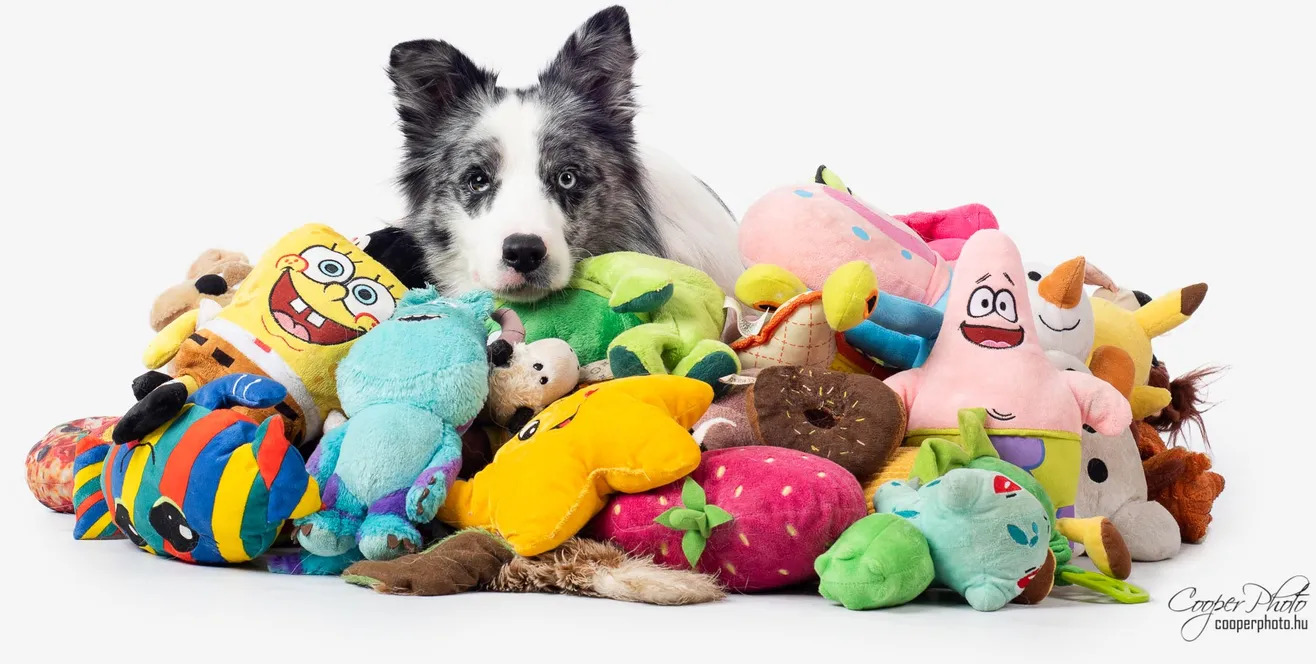
In the first experiment, they trained 3 Gifted Word Learner dogs and 10 typical family dogs (i.e., dogs that do not know the name of toys), to fetch a toy associated with a reward. Dogs were rewarded with goodies and praise throughout training for selecting this toy over a few distractor toys.

The researchers then observed how the dogs searched for the targeted toy, always placed among 4 others, both when the lights were on and off. All dogs successfully selected the trained toys, both in the light and in the dark. However, it took them longer to find the toys in the dark. Only the Gifted Word Learner dogs participated in the second experiment. Here, the researchers aimed to find out what these dogs think about when they hear the name of their toys.

“Revealing the senses used by the dogs to search for the named toys gave us the possibility to infer what these dogs imagine when they hear, for example, Teddy Bear explains Dr. Claudia Fugazza, co-author of the study.

The Gifted dogs were successful in selecting the toys named by their owners in the light and the dark. This reveals that, when they hear the name of a toy, they recall this object’s different sensory features and they can use this “multisensory mental image” to identify it, also in the dark.

“Dogs have a good sense of smell, but we found that dogs preferred to rely on vision and used their noses only a few times, and almost only when the lights were off,” clarifies Prof. Adam Miklósi, head of the Department of Ethology and co-author of the study. “Dogs sniffed more often and for longer in the dark. They spent 90% more time sniffing when the lights were off, but this was still only 20% of the searching time.”

To conclude, the dogs’ success in finding the toys and the different senses used while searching in the light and the dark reveals that, when dogs play with a toy, even just briefly, they pay attention to its different features and register the information using multiple senses. Read More...


Previous Post

Debris From The Largest Comet Outburst Ever Recorded May Soon Be Visible

Next Post

Why Jupiter lacks ring system like Saturn

Comments