Sneaky ways social media can sabotage your body image — and 3 easy tips to help you break the cycle
-
 Loading...
 - lewis Eddie
- 14 Jun 2022
- 277 Views
- 0 Like
- 0 Comment
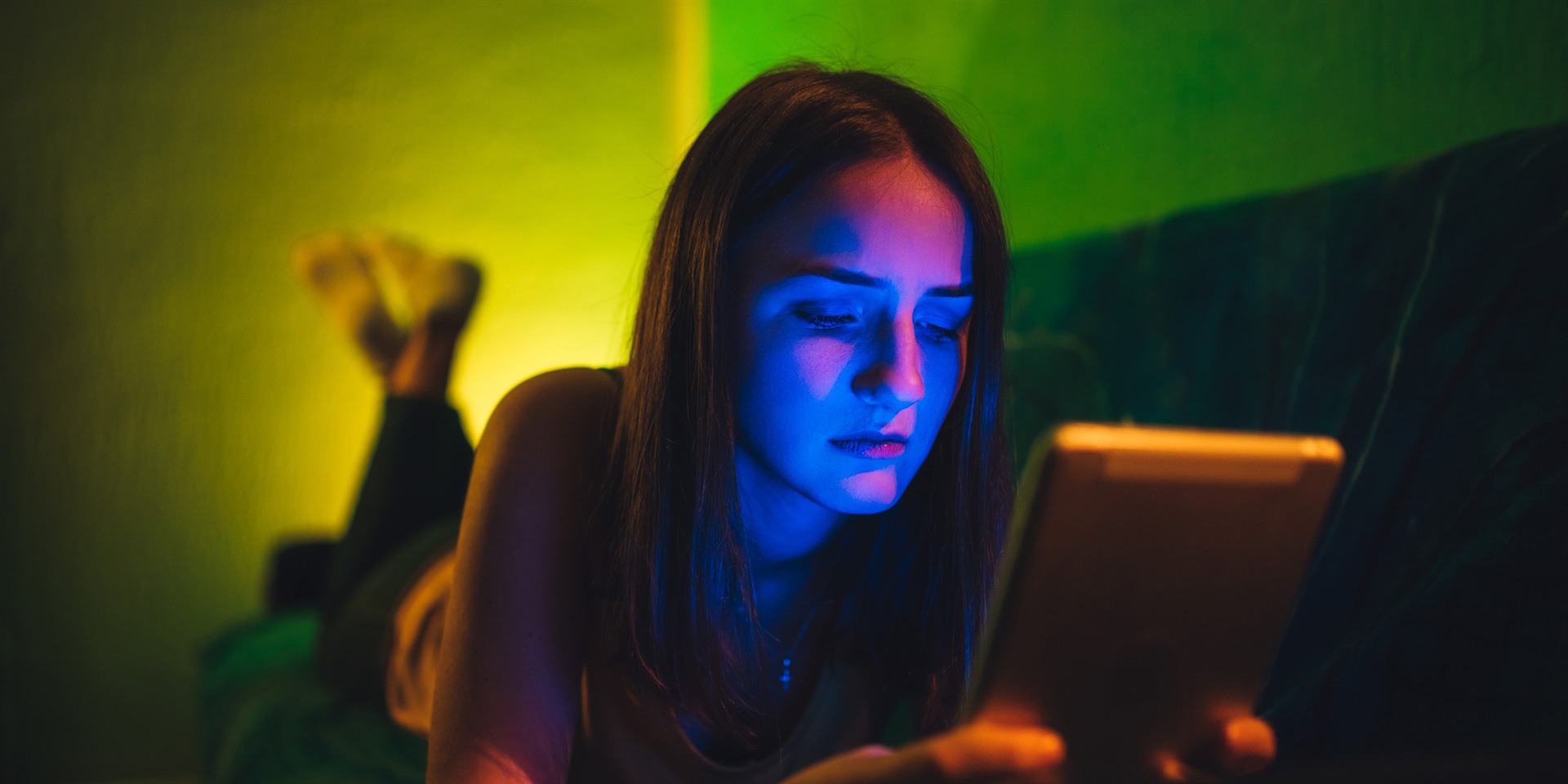
With an estimated 3.6 billion users worldwide, social media is a large part of today's culture. But consistently scrolling through posts — particularly images that evoke negative feelings or elevate a certain body type — can impact how you see yourself.
Because social media is filled with people presenting themselves in their best light, it can be difficult to avoid images and messages that might make you feel negatively about your body. But there are ways you can curate your feed to make it a healthier space for you.
Here's how social media can affect body image and tips for using it in a more positive way.
How social media can negatively affect body image
Body image refers to your perspective of your body's appearance and how it compares to societal standards. A negative body image can cause unrealistic expectations of how your body should look and could lead to unhealthy behaviors, like disordered eating.
A small 2018 study found a correlation between time spent on social media, negative body image, and disordered eating. This was especially true if participants were scrolling through appearance-related content, like the account of a fitness instructor or model on Instagram.
Here are some of the sneaky ways that social media can distort how you perceive your body:
Constant comparisons
One of the ways social media can hurt your body image is by exposing you to images of "idealised" body types, causing you to compare yourself to them.
"People end up creating unrealistic ideals for themselves based on what they see and feel distressed when they aren't able to meet those ideas or self-expectations," says Neha Chaudhary, MD, a child and adolescent psychiatrist at Massachusetts General Hospital and Harvard Medical School.
A 2015 study found that female-identifying college students who spent more time on Facebook had poorer body image. The researchers concluded that "young women who spend more time on Facebook may feel more concerned about their body because they compare their appearance to others (especially to peers)."
These comparisons can be part of a vicious cycle.
In a 2021 study of 15 to 35-year-olds, the more they compared themselves to people they followed on social media, the more dissatisfied they became with their bodies. The researchers also pointed out that, if the subjects were already dissatisfied with their bodies, it could increase the drive to compare themselves to others on social media.
This behavior could lead to disordered eating or other unhealthy habits. Each type of eating disorder has different symptoms, but some signs of an eating disorder can include:
· Low body weight
· Frequent weight fluctuations
· Hiding food or eating alone
· Preoccupation with body weight or appearance
· Binging and purging
Important: If you think you may have an eating disorder, talk to a doctor or mental health professional who can help you get treatment and find a path to recovery.
Photoshop and filters
Of all the photos you see on your social media feeds, there's a good chance most of them have been edited. According to a 2017 Harris Poll, nearly two-thirds of Americans edit their photos before posting.
Photoshop and filters that alter or edit images can also contribute to negative body image, says Jill M. Emanuele, PhD, the senior director of the Mood Disorders Center at the Child Mind Institute, a national nonprofit that supports families with mental health and learning disorders.
"Photoshop and filters present people and things in their best light," Emanuele says. "It creates a distorted fantasy world and raises the bar on what people perceive is 'the best' way to be."
Even the process of editing your own images can play a role in how you perceive your body. According to a 2022 review, research found that taking and editing selfies was more harmful than posting them, perhaps because it allows you to focus on — and try to fix — your flaws.
Interestingly, posting images doesn't seem to have the same effect. A 2016 study showed that posting more selfies on instagram was associated with a higher degree of body image satisfaction. Another 2020 study of women found that posting selfies was associated with an increase in self-esteem. Read More…