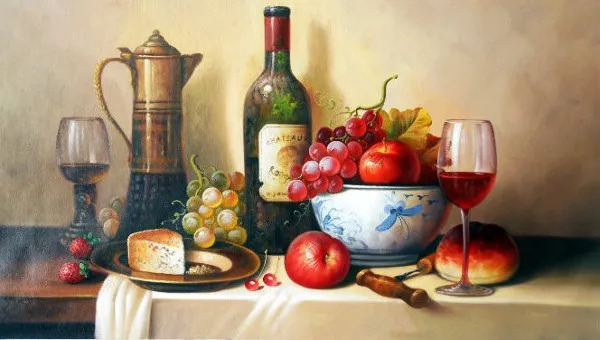
Still life painting ideas for beginners
-
 Loading...
 - Deborah Baah
- 17 May 2023
- 78 Views
- 0 Like
- 0 Comment
Whether you're looking to enhance your skills or seeking inspiration, these creative suggestions will help you unleash your artistic potential. So grab your brushes, mix your paints, and let's dive into the exciting realm of still life painting!
1. Capturing Nature's Bounty
Transform your canvas into a cornucopia of fruits and vegetables. Arrange a vibrant array of apples, oranges, strawberries, and other produce in a visually pleasing manner. Experiment with different lighting angles to create dramatic shadows and highlights, giving your artwork depth and realism.
2. Exploring Everyday Objects
Look around your immediate surroundings for ordinary objects that possess unique characteristics. A cluster of keys, a worn-out pair of shoes, or an antique teapot can make fascinating subjects for still life paintings. Pay attention to textures, reflections, and intricate details that will bring your artwork to life.
3. Embracing Floral Beauty
Embellish your canvas with the timeless elegance of flowers. A bouquet of roses, a single sunflower, or a delicate arrangement of daisies can add a touch of color and grace to your still life paintings. Experiment with different floral compositions and experiment with contrasting backgrounds to create stunning visual effects.
4. Unveiling the Beauty of Glassware
Capture the translucent allure of glassware by painting a collection of wine glasses, vases, or delicate crystal ornaments. The reflective and refractive qualities of glass provide a unique challenge for beginners, allowing you to master the art of light and transparency.
5. Embracing Vintage Charm
Transport your audience to a bygone era by depicting vintage objects. Old books, pocket watches, or a classic typewriter can evoke a sense of nostalgia and create a captivating atmosphere in your artwork. Experiment with sepia tones or muted color palettes to enhance the vintage aesthetic.
6. Composing a Still Life with Books
Combine the beauty of literature with visual art by creating a still life centered around books. Stack a collection of books of various sizes and colors, incorporating meaningful titles or favorite authors. Add small artistic elements like a pair of spectacles or a quill pen to enhance the composition.
7. Celebrating Culinary Delights
Indulge in the world of gastronomy by painting an enticing still life featuring mouthwatering dishes or delectable desserts. Arrange a plate of colorful macarons, a bowl of vibrant fresh vegetables, or a sumptuous cheese platter. Capture the textures, colors, and details that make these culinary creations so appealing.
8. Exploring Interiors: Rooms and Objects
Expand your artistic horizons by painting interior spaces. Choose a corner of your home or a favorite café and incorporate furniture, decorative items, and personal belongings. This exercise will help you improve your perspective and spatial awareness while adding a personal touch to your artwork.
9. Still Life with Pets and Animals
Capture the charm and playfulness of pets and animals in your still life paintings. Arrange a composition with a beloved pet, a flock of birds, or a curious cat exploring its surroundings. Pay attention to the expressions, postures, and gestures of these subjects, capturing their unique personalities and creating a connection with the viewer.
10. Exploring Geometric Compositions
Challenge yourself by creating still life compositions with strong geometric shapes. Arrange objects like cubes, spheres, cones, or cylinders to create visually striking and balanced compositions. Focus on the interplay of angles, lines, and curves to add a sense of structure and order to your artwork.
FAQs
Q: What are some essential tips for beginners in still life painting?
A: Start with simple objects, practice observing light and shadow, experiment with different textures, and don't be afraid to make mistakes. Remember to enjoy the process and allow yourself to grow as an artist.
Q: How do I choose a color palette for my still life painting?
A: Consider the mood and atmosphere you want to convey. Warm colors evoke energy and vibrancy, while cool colors create a sense of calmness. Experiment with color combinations to find what resonates with your artistic vision.
Q: How can I make my still life paintings more realistic?
A: Pay attention to details such as light, reflections, and textures. Study the objects closely, observe how light interacts with them, and practice capturing these elements accurately in your artwork.
Q: What are some common composition techniques for still life paintings?
A: Explore the rule of thirds, leading lines, and the concept of negative space. These techniques can help create visually pleasing and balanced compositions.
Q: How can I add depth and dimension to my still life paintings?
A: Experiment with techniques such as chiaroscuro (the use of strong contrasts between light and dark), overlapping objects, and atmospheric perspective (the blurring of objects in the distance) to create depth and give your paintings a three-dimensional feel.
Q: How do I overcome the fear of starting a still life painting?
A: Remind yourself that every artist starts somewhere, and mistakes are part of the learning process. Start with small, manageable projects and gradually challenge yourself with more complex compositions. Embrace the joy of creating without worrying about perfection.
Embarking on a journey into still life painting opens up a world of creativity and self-expression. With the ideas and tips shared in this article, you now have a wide range of options to explore as a beginner artist. Remember to practice regularly, experiment with different techniques and subjects, and most importantly, enjoy the process of bringing life to your canvas. So pick up your brushes, mix your paints, and let your imagination soar as you dive into the captivating realm of still life painting.