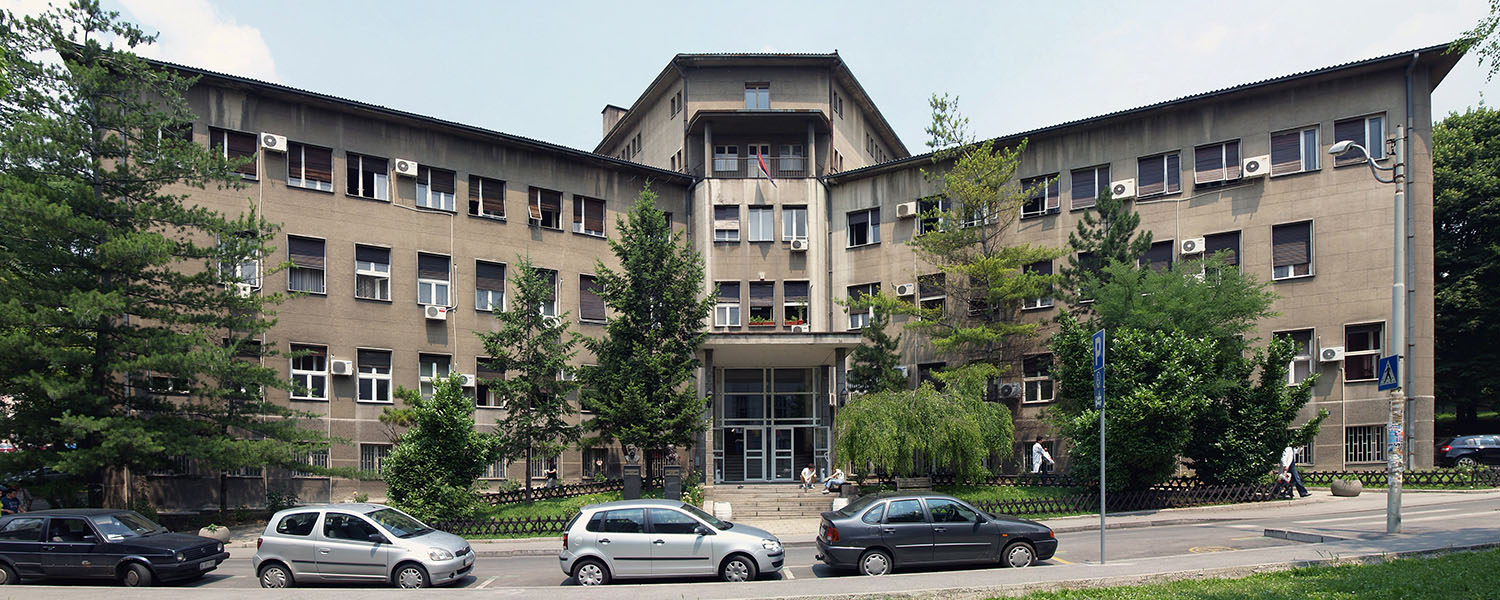
Student Performance in The Faculty Of Medicine Entrance Exams
-
 Loading...
 - Lily Walter
- 16 Aug 2024
- 62 Views
- 0 Like
- 0 Comment
An analysis conducted by Prof. Dr. Dušan Popadić, Vice Dean for regular teaching at the Faculty of Medicine, University of Belgrade, reveals insightful details about the performance of candidates on the entrance exam for medical studies. The analysis highlights that students from gymnasiums (general high schools) and those holding the prestigious "Vuk Karadzic" diploma, awarded to top graduates, are among the most successful in passing the rigorous entrance exam.
The Faculty of Medicine in Belgrade registered 1,014 candidates this year, with 995 taking the entrance exam, of whom 558 passed. The exam requires candidates to score at least 51% on biology and chemistry tests. The results show that the top-performing students often came from gymnasiums, with a particularly high success rate among those who held the "Vuk Karadzic" diploma.
Key Findings
Performance by School Type:
Gymnasiums: Students from gymnasiums had a higher pass rate, with 78% of strong excellent students passing the entrance exam. In contrast, 48% of vocational school graduates and 39.5% from schools outside Serbia passed.
Professional Schools: Students from professional medical, dental, pharmaceutical, and physiotherapy schools had a lower pass rate of 74.4% compared to their gymnasium counterparts.
Grade Influence:
The analysis found that the better the students' school performance, the higher their success rate on the entrance exam. For example, students with an average grade between 4.75 and 4.99 had a 62% pass rate, while those with an average of 4.50 to 4.75 had a 50.5% pass rate.
Gender Differences:
Although there were more female candidates (729) than male candidates (266), the pass rate was slightly higher for males (62.8%) compared to females (53.6%). Interestingly, males also scored higher on the entrance exam, with an average of 45.26 points compared to 43.16 for females, despite being weaker students in school.
Success by School:
Among gymnasiums, the best-performing schools included the Gymnasium in Jagodina (100% pass rate with an average of 47.83 points), the Gymnasium in Loznica, and the Gymnasium in Smederevo. In Belgrade, the Third, Ninth, and Tenth Gymnasiums were top contenders, with pass rates of 92%, 85%, and 86% respectively.
Regional Distribution:
About a third of the candidates were from Belgrade, while students from other major cities like Niš, Novi Sad, and Kragujevac showed less interest in studying in the capital due to the availability of medical faculties in their home cities and the high cost of living in Belgrade.
The analysis concludes that gymnasium students, particularly those with high academic achievements, are better prepared for the entrance exam, reinforcing the significance of school performance in determining success in medical studies. The quota for medical studies was fully filled in the first term, with a few places reserved for students who completed high school abroad.