Sudan Fighting Intensifies After Ceasefire Talks Collapse.
-
 Loading...
 - Okland Ragnar
- 05 Jun 2023
- 61 Views
- 0 Like
- 0 Comment
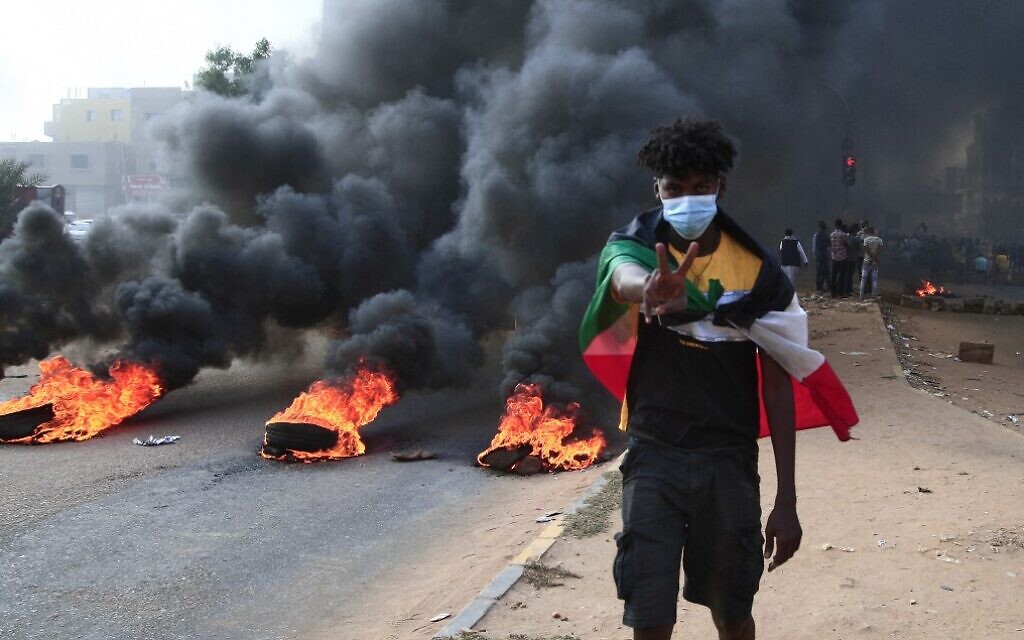
Fierce clashes have escalated in multiple areas of Khartoum following the expiration of a ceasefire agreement, as reported by residents of Sudan's capital. Activists have also stated that a fresh wave of violence in North Darfur state has resulted in the death of at least 40 individuals.
The temporary truce between Sudan's army and the paramilitary Rapid Support Forces (RSF), which was brokered by Saudi Arabia and the United States, commenced on May 22 and came to an end on Saturday evening. While the ceasefire managed to somewhat subdue the fighting and allow limited humanitarian access, it, like previous ceasefires, was frequently violated. Attempts to extend the ceasefire broke down on Friday.
Live footage on Sunday depicted billowing black smoke over the capital.
A resident named Sara Hassan, speaking over the phone, expressed the terror experienced in southern Khartoum due to violent bombardment, the sound of anti-aircraft guns, and power cuts. She described the situation as a living hell.
Other areas where clashes were reported include central and southern Khartoum, as well as Bahri, situated across the Blue Nile to the north.
Witnesses have reported the crash of a military plane in Omdurman, one of the three cities constituting the greater capital region at the Nile's confluence. The army, which has been utilizing warplanes to target the dispersed RSF fighters throughout the capital, has not made any comments regarding this incident.
In addition to the unrest in Khartoum, deadly confrontations have erupted in Darfur, located in the far west of Sudan. The region was already grappling with long-standing turmoil and significant humanitarian challenges.
Witnesses have described heavy fighting on Friday and Saturday, leading to chaos in Kutum, one of the primary towns and a commercial center in North Darfur. The Darfur Bar Association, responsible for monitoring human rights in the region, reported that at least 40 people were killed, with dozens more injured, including residents of the Kassab camp, which accommodated those displaced by prior unrest.
The army has refuted claims that the RSF, originating from Darfur militias and having their power base in the region, had taken control of Kutum.
Separately, Sudanese antiquities authorities have announced the withdrawal of RSF fighters from the national museum in central Khartoum. The RSF released a video filmed within the museum grounds, which house ancient mummies and other valuable artifacts, denying any harm done to the collection.
The fighting in the capital has resulted in widespread damage, looting, a scarcity of food supplies, and the collapse of essential services such as healthcare, power, and water facilities.
With the onset of the rainy season, which lasts until approximately October and brings flooding and an increased risk of waterborne diseases, the recent rainfall further complicates the already hindered relief efforts due to bureaucratic delays and logistical challenges. Aid workers have issued warnings about corpses left in the streets and accumulating uncollected garbage.
Saudi Arabia and the United States have stated their continuous engagement with delegations from the army and RSF, who have remained in Jeddah despite the suspension of ceasefire extension talks last week. The two countries emphasized that the ongoing discussions focus on facilitating humanitarian assistance and reaching an agreement on immediate measures the parties must undertake before the talks in Jeddah can resume.