Taiwan's pangolins suffer surge in feral dog attacks
-
 Loading...
 - Bagus Setiawan
- 11 Oct 2022
- 76 Views
- 0 Like
- 0 Comment
In most of its habitats, the heavily trafficked pangolin's biggest threat comes from humans. But in Taiwan, the scaly mammals brave a different danger: a surging feral dog population.
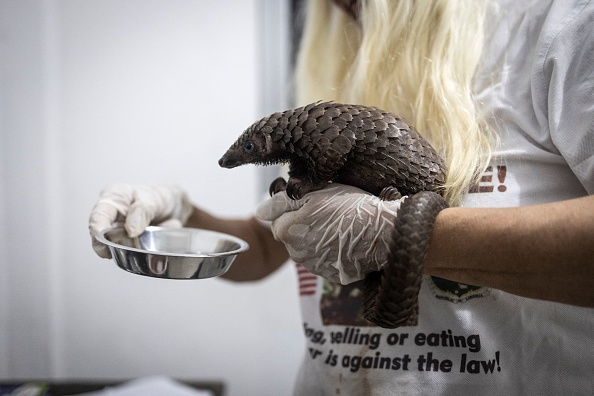
Veterinarian Tseng Shao-tung, 28, has seen firsthand what a dog can do to the gentle creatures during his shifts at a hospital in Hsinchu.
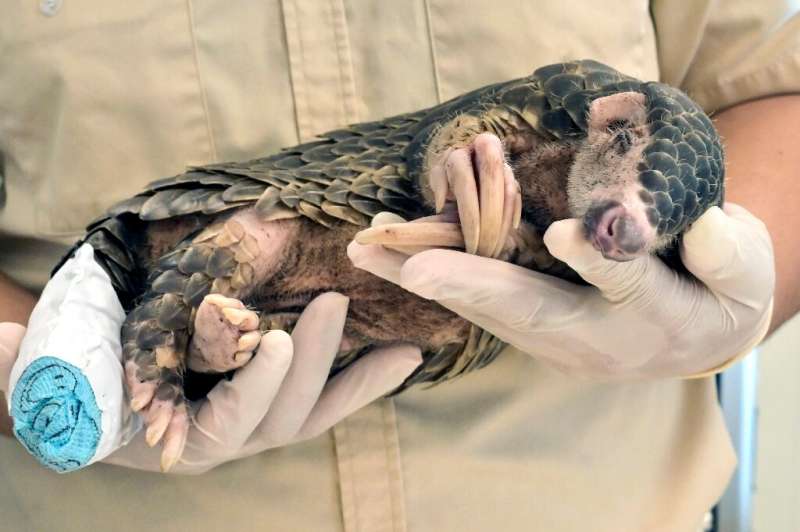
Last month he worked to save the life of a male juvenile pangolin who had been lying in the wild for days with half of its tail chewed off.
"It has a big open wound on its tail and its body tissue has decayed," Tseng said as he carefully turned the sedated pangolin to disinfect the gaping injury.
It was the fifth pangolin Tseng and his fellow veterinarians had saved this year, all from suspected dog attacks.
Chief veterinarian Chen Yi-ru said she had noticed a steady increase of pangolins with trauma injuries in the last five years—most of them with severed tails.
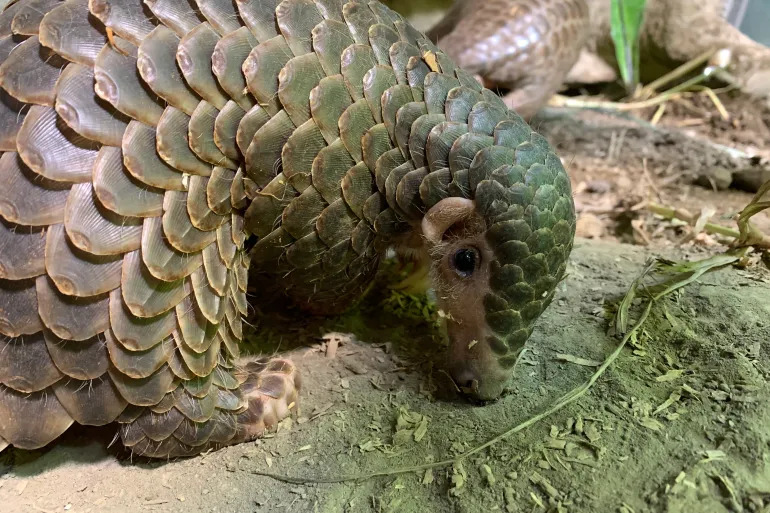
Pangolins are covered in hard, overlapping body scales and curl up into a ball when attacked. The tail is the animal's most vulnerable part.
"That's why when attacked, the tail is usually the first to be bitten," Chen explained.
Wildlife researchers and officials said dog attacks, which account for more than half of all injuries since 2018, have become "the main threat to pangolins in Taiwan" in a report released last year.
Most trafficked mammal
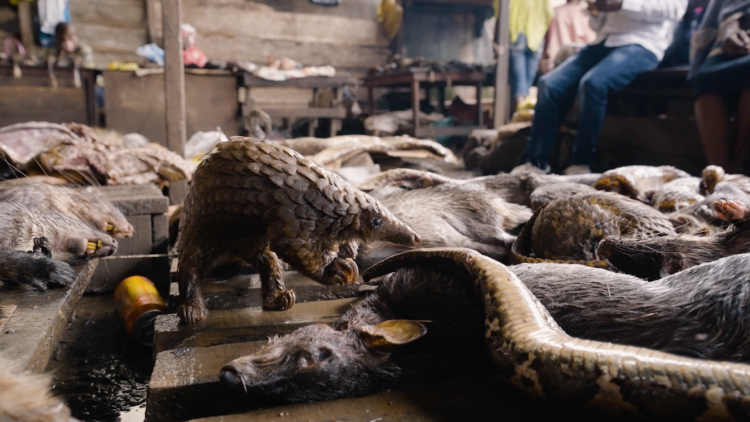
Pangolins are described by conservationists as the world's most trafficked mammal, with traditional Chinese medicine being the main driver.
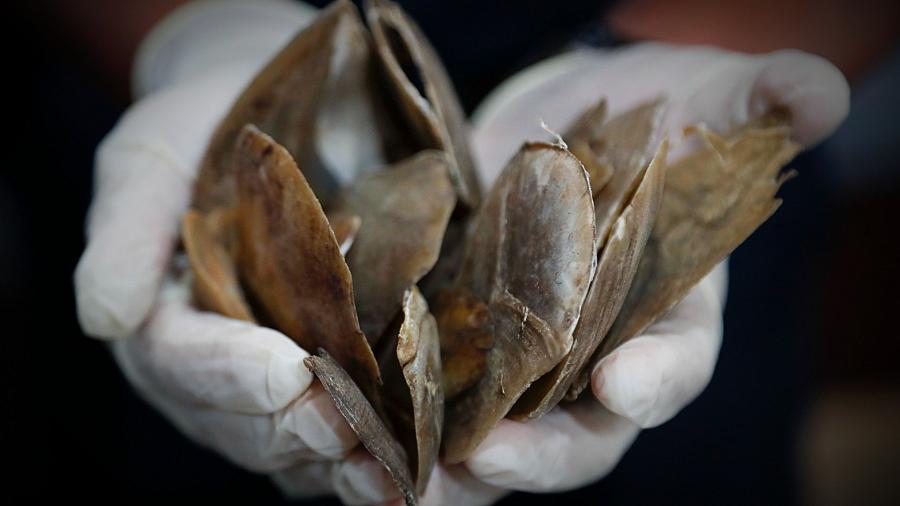
Although their scales are made of keratin—the substance that makes up our fingernails and hair—there is huge demand for them among Chinese consumers because of the unproven belief that they help lactation in breastfeeding mothers. Read More…