Tanzania Building Collapse: Rescue Efforts Intensify, Survivors Trapped
-
 Loading...
 - Sarah Kimaro
- 19 Nov 2024
- 43 Views
- 0 Like
- 0 Comment
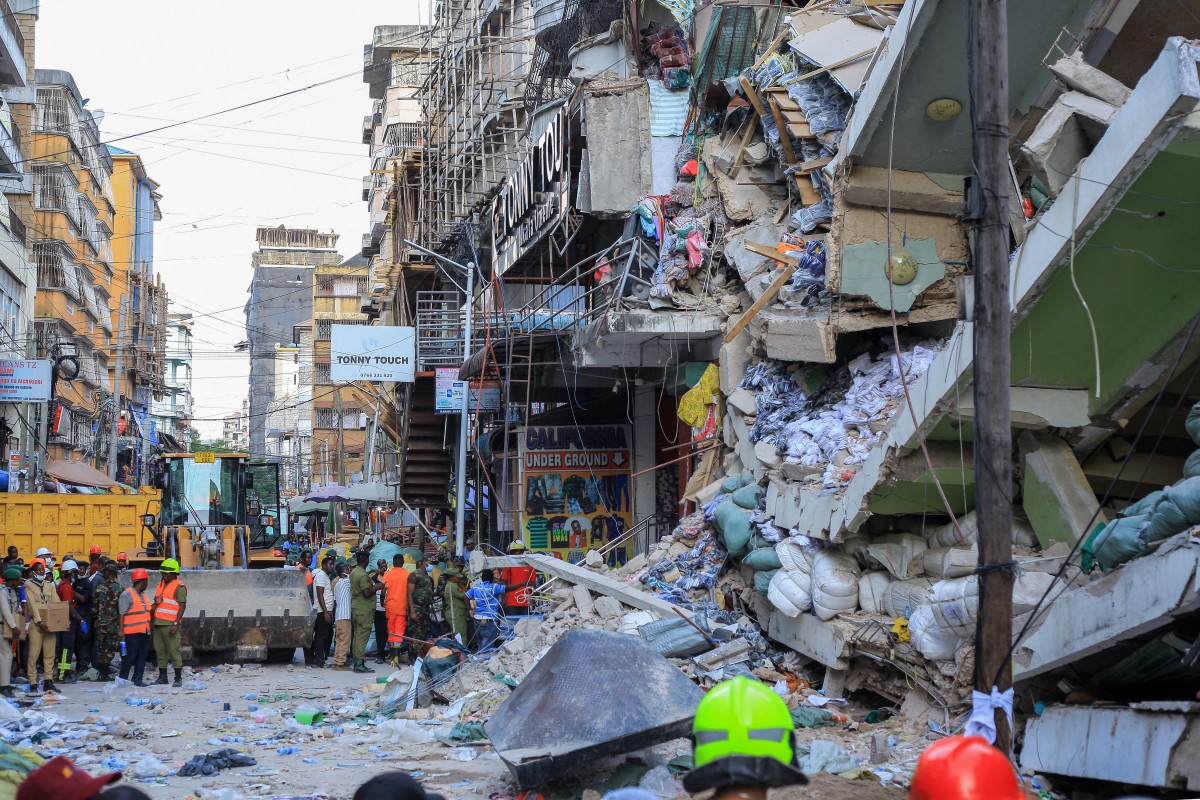
A building collapse in Kariakoo market, Dar es Salaam, Tanzania, has led rescue workers to dig through the rubble for a second day, hoping to find more survivors. The four-storey structure collapsed around 9:00 am (0600 GMT) on Saturday in the bustling commercial center of Tanzania’s largest city. As of now, five people have been confirmed dead, while at least 70 others have been rescued alive from the debris.
Dar es Salaam’s regional commissioner, Albert Chalamila, reported on Sunday that more individuals remain trapped in the basement of the collapsed building, although he did not specify the exact number. “We are communicating… and already we have supplied them with oxygen and water,” he stated. “They are stable, and we believe they will be rescued alive and safe.”
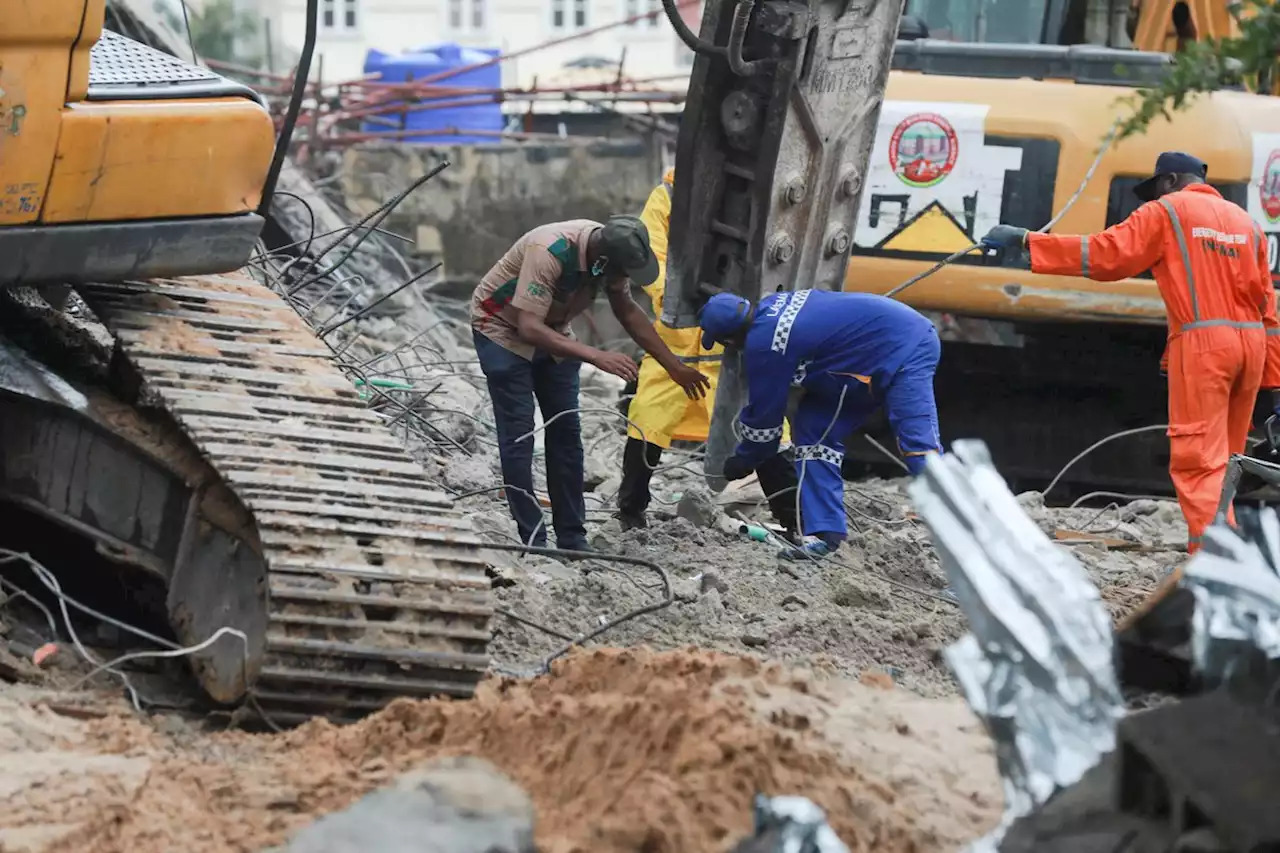
Fire brigade chief John Masunga noted that the search and rescue operations have been hindered by the numerous walls that composed the building’s structure. Following the swift collapse of the building’s floors on top of one another, resulting in a heap of rubble, hundreds of first responders used sledgehammers and their bare hands to clear away debris for several hours. Heavy lifting equipment, including cranes, was subsequently deployed to assist in the rescue efforts.
The reasons behind the collapse of the commercial building remain unclear, but witnesses informed local media that work had commenced on Friday to extend its underground business area. This incident has reignited concerns regarding the lack of regulation in construction within the Indian Ocean city, which is home to over five million residents. As one of the fastest-growing cities globally, Dar es Salaam has experienced a rapid property surge, with buildings often being constructed quickly and with little consideration for regulations.
In a similar incident in 2013, a 16-story building in Dar es Salaam collapsed, resulting in the deaths of 34 individuals. The recent tragedy underscores the urgent need for stricter construction regulations to ensure the safety of residents in this rapidly developing urban environment.